The Ministry of National Health Services, Regulations and Coordination has directed registered medical practitioners (RMPs) operating in Islamabad Capital Territory (ICT) to obtain a valid Drug Sale Licence (DSL) for running pharmacies or medical stores.
Doctors require licence to sell medicines in ICT
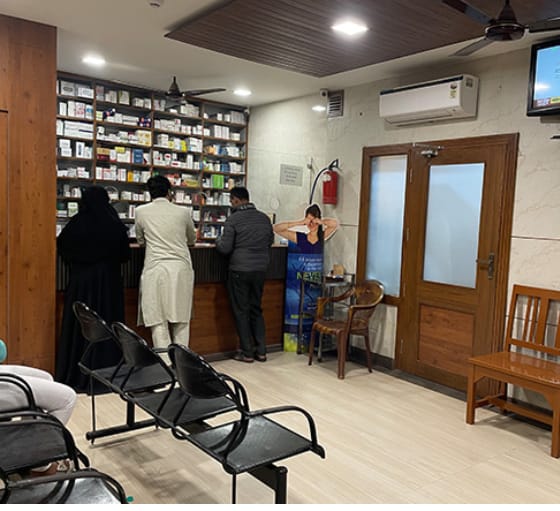
ISLAMABAD, Oct 07 (APP): The Ministry of National Health Services, Regulations and Coordination has directed registered medical practitioners (RMPs) operating in Islamabad Capital Territory (ICT) to obtain a valid Drug Sale Licence (DSL) for running pharmacies or medical stores.
According to an advisory issued by the Pharmacy Services and Drug Control (PS&DC), unlicensed pharmacies and medical stores have been directed to immediately apply for the requisite licence to avoid legal action.
The advisory was issued in the light of a recent Federal Constitution Court (FCC) decision.
The advisory clarified that medicines kept in doctors’ clinics for their own patients would remain exempt from the licensing requirement, provided the facility did not fall within the category of a commercial pharmacy or medical store.
Drug distributors have also been directed not to supply medicines to any unlicensed pharmacy or medical store.
The Pakistan Pharmacists Association (PPA) welcomed the decision, describing it as a long-awaited measure to ensure that medicines are sold only through legally licensed outlets.
The association said the decision would help strengthen patient safety, improve regulatory compliance and promote responsible medicine distribution.
It is pertinent to mention that the advisory follows the recent Federal Constitutional Court ruling that while a registered doctor may prescribe and dispense medicines to their own patients, operating a medical store or retail drug outlet requires a valid licence under the Drugs Act, 1976.
The Federal Constitutional Court (FCC) has ruled that registered doctors may prescribe and dispense medicines to their own patients but cannot operate a medical store or retail drug outlet without a valid licence under the Drugs Act, 1976.
The ruling came in an appeal filed by the Khyber Pakhtunkhwa Health Department against an order of the Peshawar High Court, Dera Ismail Khan Bench, which had halted proceedings against doctors accused of storing and selling medicines without the required licence.
A two-member bench set aside the High Court order and allowed the legal proceedings against the doctors to continue in accordance with law.
The court observed that registration as a medical practitioner and registration under the Pharmacy Act serve different legal purposes, and a doctor’s registration does not exempt them from the licensing requirements of the Drugs Act.
The judgment clarified that the Pharmacy Act, 1967 permits a registered medical practitioner to dispense medicines to their own patients or fulfil their own prescriptions, but does not authorized the establishment of a medical store or commercial sale of medicines.
The court further held that Section 23(1)(c) of the Drugs Act prohibits the sale of medicines without a valid licence and provides no special exemption for registered doctors operating commercial drug outlets.
The ruling also upheld the authority of drug inspectors to inspect premises, collect samples, conduct searches and seize medicines in accordance with the relevant provisions of the law.
The FCC observed that intervention by the High Court at the show-cause stage was premature and directed that the matter proceed in accordance with law.
The decision is expected to strengthen regulatory oversight of medicine sales and reinforce patient safety by ensuring that commercial drug outlets operate under the prescribed licensing framework.