A plastic bag picked up after a shopping trip may seem harmless, but thousands of such choices are adding to Islamabad’s growing waste problem. The renewed “Plastic-Free Islamabad” campaign is seeking to raise awareness about the environmental impact of single-use plastics and encourage residents and businesses to adopt reusable and environmentally friendly alternatives.
Abdul Samad Tariq
ISLAMABAD, Oct 5 (APP):A plastic bag picked up after a shopping trip may seem harmless, but thousands of such choices are adding to Islamabad’s growing waste problem. The renewed “Plastic-Free Islamabad” campaign is seeking to raise awareness about the environmental impact of single-use plastics and encourage residents and businesses to adopt reusable and environmentally friendly alternatives.
The Capital Development Authority (CDA) and Islamabad administration have launched the “Plastic-Free Islamabad” initiative on the directions of Interior Minister Syed Mohsin Raza Naqvi and CDA Chairman and Chief Commissioner Islamabad Sohail Ashraf.
The campaign, being supervised by Additional Deputy Commissioner (General) Dr Anam Fatima, will focus on markets, commercial areas, food outlets, educational institutions, parks, recreational sites and other public places. Assistant commissioners have been tasked with monitoring activities in their respective areas.
While the authorities are seeking greater public cooperation, the initiative also highlights a practical challenge: reducing plastic use requires changes not only in consumer behaviour but also in the way shops, restaurants and other businesses package and sell everyday goods.
“As a longtime resident of Islamabad, I’m tired of seeing plastic bags littering our beautiful parks and streets. Switching to reusable bags would make such a difference in keeping our city clean and green for everyone,” said Naseem, a housewife in Sector G-7.
For retailers, however, the transition can be more complicated.
“As a shopkeeper in Islamabad, I’ve noticed most customers still prefer plastic bags because the reusable ones cost more and some people forget to bring them. The Plastic-Free Islamabad campaign is a good idea, but it will only work if alternative bags are made cheaper and easily available for small shops like mine,” said Raheem, a local vendor at Aabpara Market in G-6.
The issue is equally relevant to younger residents, who authorities hope will adopt environmentally responsible habits as part of their daily routines.
“As a student in Islamabad, I’ve started carrying a reusable bag everywhere so I don’t have to take plastic ones from shops. If more of us do the same, our parks, campuses and streets will stay much cleaner,” said Sawaira, a BS Media Studies student at NUML University.
Food businesses face another set of challenges, particularly because takeaway packaging has to meet requirements related to hygiene, convenience and customer expectations.
“Running a small restaurant in Islamabad, I’ve tried switching to paper and biodegradable packaging, but the higher cost is tough when customers still expect cheap takeaway. Practical alternatives only work if suppliers make them affordable and people are willing to pay a little extra for a cleaner city,” said Asif, a restaurant owner in F-10.
The renewed campaign is not being launched in a regulatory vacuum.
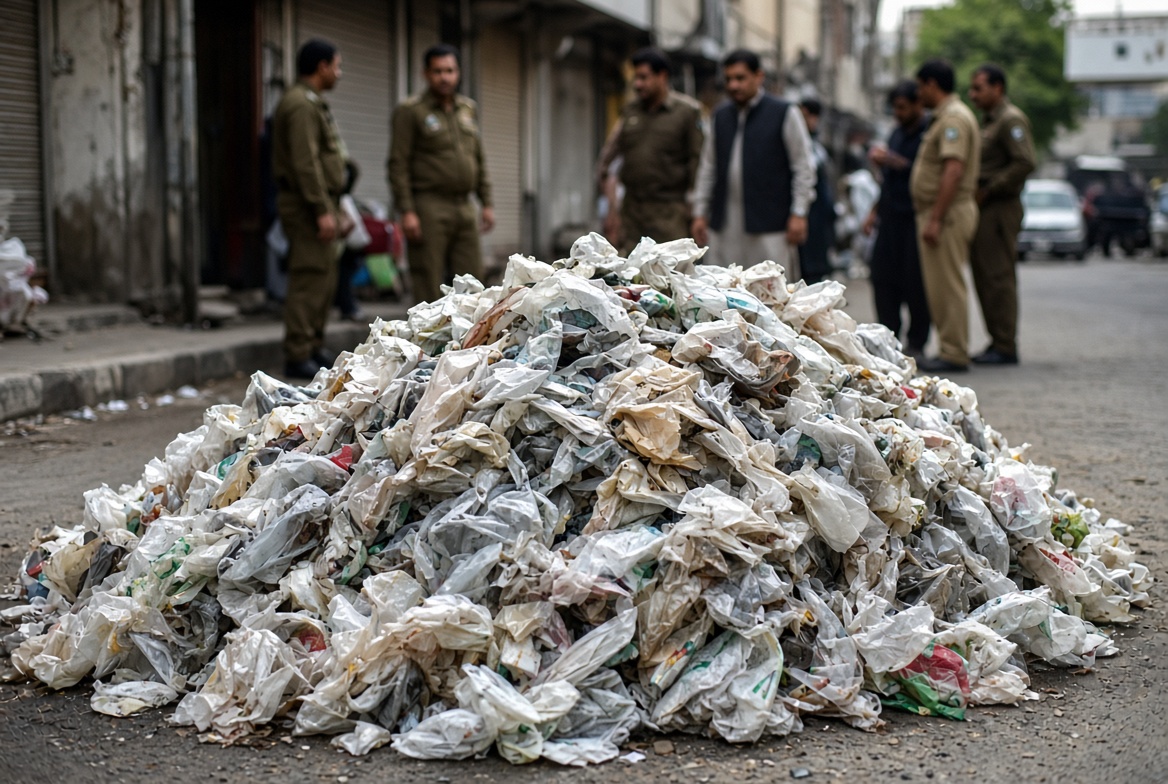
The Pakistan Environmental Protection Agency (Pak-EPA) said the Single-Use Plastics (Prohibition) Regulations, 2023, already prohibit the manufacture, import, sale, distribution, storage and use of polythene bags and other banned single-use plastics across the Islamabad Capital Territory.
A Pak-EPA spokesperson said the agency’s enforcement would continue through regular market inspections, confiscation of banned materials, sealing of non-compliant outlets and legal action against violators.
According to the spokesperson, penalties range from Rs5,000 for individuals to Rs10,000–50,000 for shopkeepers, while manufacturers and wholesalers can face penalties of up to Rs500,000.
The agency said limited exemptions were available for authorised industrial packing, municipal waste, hospital waste and hazardous waste, subject to prior approval from Pak-EPA.
“Our enforcement priority is clear and ongoing: regular market inspections, confiscation of banned materials, sealing of non-compliant outlets and legal action against violators,” the spokesperson said.
The agency also urged businesses to shift towards affordable reusable and biodegradable alternatives and called on citizens to carry their own bags and cooperate with enforcement efforts.
The campaign’s effectiveness, however, is likely to depend on how easily consumers and businesses can make the transition. While awareness about the environmental impact of plastic is increasing, convenience and cost continue to influence the choices of both consumers and businesses.
For a household, carrying a reusable bag may be a relatively simple change. For a small retailer, replacing thousands of plastic bags can add to operating costs. Restaurants face similar concerns when replacing plastic containers and other disposable packaging with more expensive alternatives.
For many small businesses, the availability of affordable alternatives could therefore determine whether the campaign succeeds in the long term.
If reusable and biodegradable products remain significantly more expensive, shopkeepers and restaurant owners may find it difficult to make the switch without passing the additional cost on to customers.
Consumers, meanwhile, may also need to change established habits. Many shoppers accept plastic bags automatically when making purchases, particularly for small or unexpected purchases.
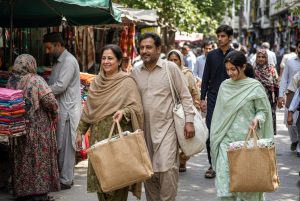
Carrying reusable bags regularly could reduce demand for single-use alternatives and make environmentally responsible choices part of everyday life.
The authorities have said the campaign is intended not only to discourage single-use plastic but also to create greater awareness about its environmental impact and encourage responsible waste disposal.
CDA Chairman and Chief Commissioner Islamabad Sohail Ashraf has described making Islamabad plastic-free as a shared responsibility rather than merely an enforcement exercise, stressing the need for cooperation among residents, traders, businesses, educational institutions and government agencies.
The administration is also seeking to link the campaign with broader cleanliness and waste-management objectives. Officials say reducing plastic waste can help keep roads, markets, parks and public spaces cleaner and reduce the amount of plastic entering drainage systems.
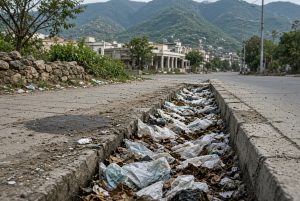
Plastic waste can be particularly visible in Islamabad’s green spaces, where bags and disposable packaging can accumulate around roadside areas, parks and markets. During rainfall, improperly discarded plastic can also enter drains and contribute to blockages, adding another challenge for the city’s waste-management system.
For Islamabad, a city whose identity is closely associated with its green spaces, the issue is increasingly visible in everyday life from plastic bags caught in roadside vegetation to disposable packaging accumulating around markets and public areas.
The challenge now is to turn the campaign from an enforcement exercise into a sustained change in consumption habits. Regular inspections and penalties may discourage businesses from using banned materials, but lasting results will require consumers to change their behaviour as well.
That could mean a resident remembering to carry a reusable bag, a student refusing unnecessary packaging, a shopkeeper finding an affordable alternative or a restaurant absorbing or sharing the additional cost of environmentally friendly packaging.
Schools, universities and other educational institutions could also play an important role by encouraging students to avoid unnecessary plastic and promoting reusable products. Similarly, businesses could help by making alternative packaging more visible and accessible to customers.
Ultimately, the success of the “Plastic-Free Islamabad” campaign may depend on whether these small individual choices become routine and whether affordable alternatives are available to make those choices practical for both consumers and businesses.
The fight against plastic will not end with inspections or fines. It will be won through everyday choices. If residents, businesses and authorities act together, Islamabad can protect its green identity and build a cleaner future for generations to come.