PESHAWAR, Sep 26 (APP):Politicians, diplomats and academics on Saturday praised Prime Minister Muhammad Shehbaz Sharif’s address to the United Nations General Assembly, saying he had highlighted key regional and global challenges, including Palestine, Kashmir, terrorism, water security and escalating tensions in the Middle East, while stressing dialogue and diplomacy as the best way forward. Former ambassador Manzoorul Haq described the address as inclusive and historic, saying the prime minister had …
Politicians, Intl relations experts in KP laud PM’s UNGA address
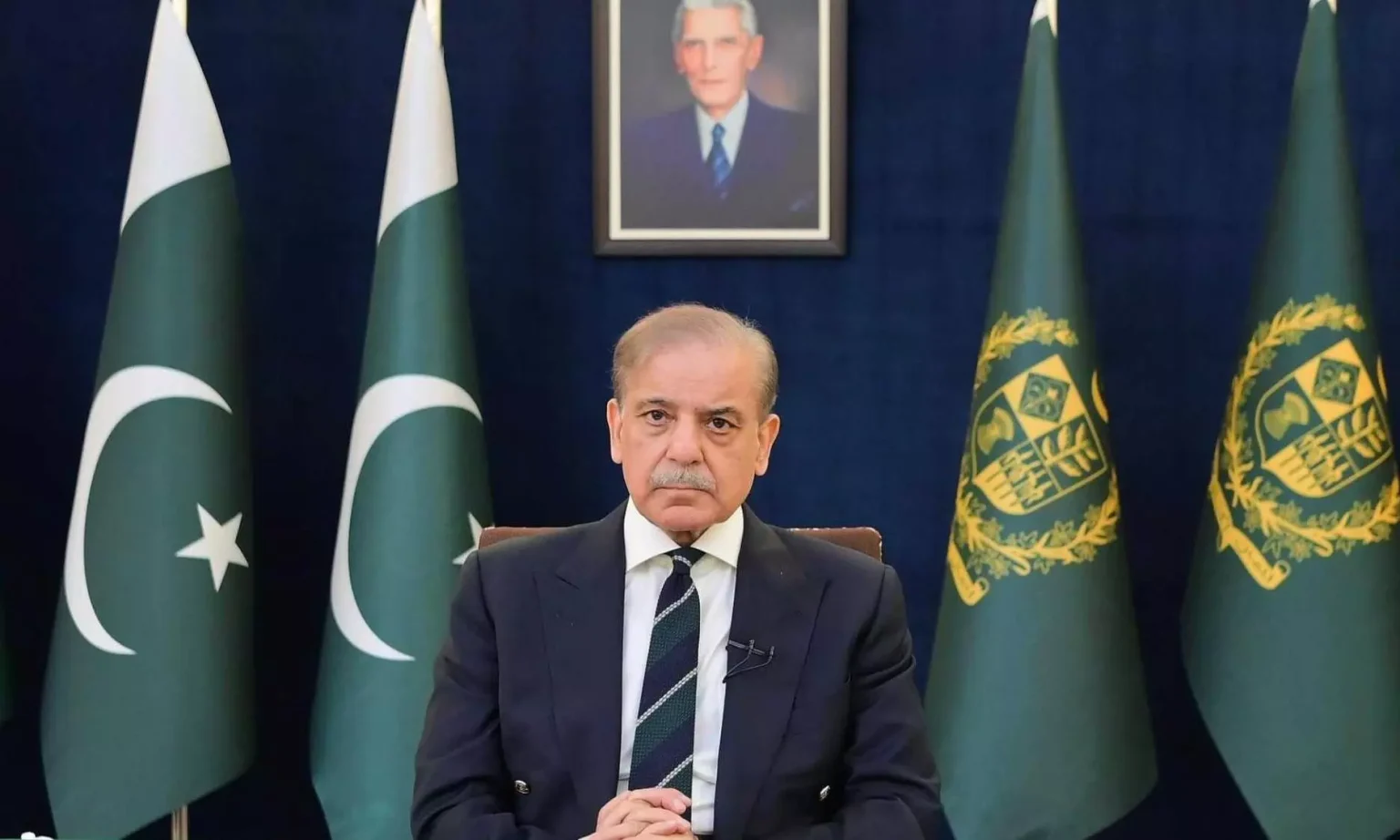
PESHAWAR, Sep 26 (APP):Politicians, diplomats and academics on Saturday praised Prime Minister Muhammad Shehbaz Sharif’s address to the United Nations General Assembly, saying he had highlighted key regional and global challenges, including Palestine, Kashmir, terrorism, water security and escalating tensions in the Middle East, while stressing dialogue and diplomacy as the best way forward.
Former ambassador Manzoorul Haq described the address as inclusive and historic, saying the prime minister had comprehensively presented Pakistan’s position on major international and regional issues that was widely applauded.
He particularly appreciated the prime minister’s emphasis on Palestine, Kashmir and the Middle East conflict, saying wars could not provide lasting solutions and that renewed diplomatic efforts were essential to prevent further escalation.
Manzoor, who served as Pakistan’s ambassador to Saudi Arabia, also welcomed the prime minister’s call for keeping vital maritime routes open for international trade and economic activity.
He said the Strait of Hormuz and Bab-al-Mandeb were critical arteries of the global economy and should remain open to ensure connectivity and prosperity rather than becoming flashpoints of confrontation.
He also appreciated Pakistan’s diplomatic efforts involving Washington and Tehran, saying the Islamabad Talks and subsequent Islamabad Memorandum of Understanding represented important steps towards reducing tensions and promoting a peaceful resolution.
Professor Dr Ejaz Khan, former chairman of the Department of International Relations at the University of Peshawar, said the prime minister had effectively raised issues of particular concern to Pakistan, including the grim situation in Indian-administered Jammu and Kashmir, security threats emanating from Afghanistan and the Indus Waters Treaty.
He stressed the importance of water security for regional stability, saying any attempt to stop, impede or divert Pakistan’s share of river waters could have serious consequences for peace in the region.
Dr Ejaz said India’s decision to hold the existing water treaty in abeyance had no legal basis, adding that Pakistan had consistently challenged the illegal move of fascist Modi Govt. He also referred to proceedings before the Court of Arbitration in support of Pakistan’s position.
Member of the Provincial Assembly Tariq Awan welcomed the prime minister’s focus against terrorism, saying Pakistan had made enormous human and economic sacrifices in combating militancy.
He said terrorism remained a major threat to international peace and security and claimed that Pakistan had lost nearly 100,000 lives and suffered economic losses exceeding $150 billion during its fight against terrorism.
Tariq Awan claimed that Afghan territory continued to be used by the outlawed Tehreek-e-Taliban Pakistan (TTP), referred to by Pakistan as Fitna al-Khawarij, and the banned Balochistan Liberation Army (BLA), referred to by Pakistan as Fitna al-Hindustan, for attacks inside Pakistan.
He said the prime minister had urged Afghan authorities to fulfil their international commitments and take verifiable steps to prevent their territory from being used against Pakistan or other countries.
He also welcomed the call for protection of the fundamental rights of Afghans, particularly women and girls.
Former minister Wajid Ali Khan, retired teachers Fayaz Khan and Riaz Khan, and Professor Zahid Anwar of the Department of Political Science also welcomed the address, saying it presented Pakistan’s concerns on peace, security, human rights and regional stability before the international community.
They said the prime minister’s emphasis on diplomacy and peaceful resolution of disputes could help strengthen multilateral cooperation and contribute to reducing tensions surrounding major regional conflicts.
The participants expressed hope that the diplomatic initiatives highlighted in the address would translate into greater international cooperation and concrete efforts towards peace and stability.