
The World Health Organization (WHO) has reaffirmed its commitment to supporting Pakistan in improving childhood cancer care.
WHO steps up support for childhood cancer care in Pakistan
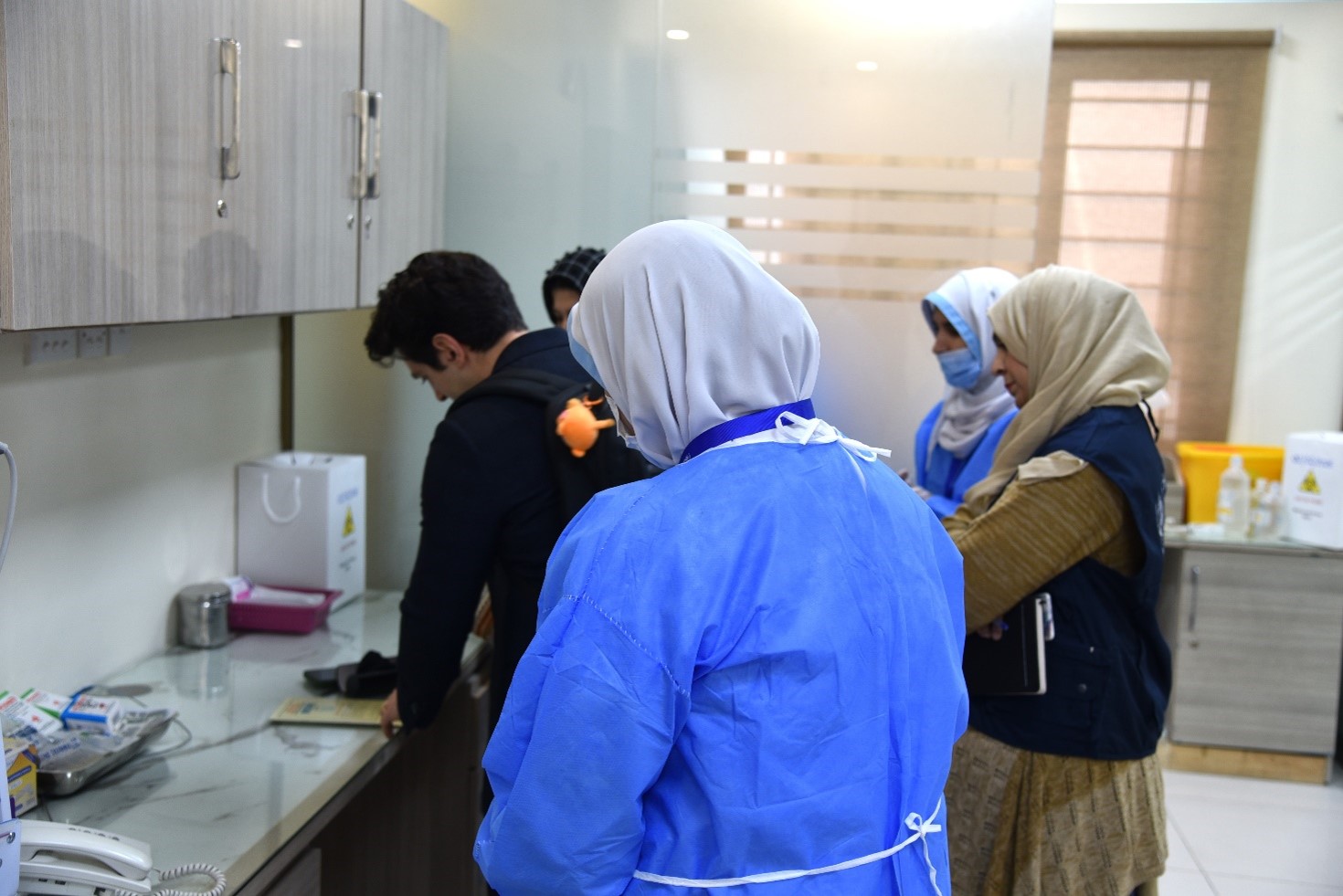
ISLAMABAD, Sep 25 (APP): The World Health Organization (WHO) has reaffirmed its commitment to supporting Pakistan in improving childhood cancer care.
The organization stressed that early diagnosis and timely treatment can save lives as more than 8,000 children are diagnosed with cancer in the country each year.
On the occasion of Childhood Cancer Awareness Month, WHO said most childhood cancers could be cured through timely and appropriate treatment, including generic medicines, surgery and radiotherapy.
Globally, an estimated 400,000 children develop cancer every year. While more than 80 per cent of children with cancer are cured in high-income countries where comprehensive treatment services are generally accessible, the survival rate in most low- and middle-income countries (LMICs) remains below 30 per cent.
WHO noted that limited access to quality treatment and essential medicines was among the major factors contributing to poor survival outcomes in LMICs.
To improve access to life-saving medicines, WHO is working with Pakistan’s Ministry of National Health Services, Regulations and Coordination under the Global Platform for Access to Childhood Cancer Medicines to provide quality-assured childhood cancer medicines free of cost.
Four Pakistani hospitals are already working with WHO to complete the final preparations required to receive the medicines by the end of 2026 or during the first quarter of 2027.
Seven additional hospitals are expected to implement technical recommendations during 2027 and prepare to receive the supplies.
The ultimate objective is to make free, quality-assured childhood cancer medicines available to all hospitals providing cancer treatment to children in Pakistan.
Pakistan formally joined the Global Platform on July 29, 2025, becoming the second country in the WHO Eastern Mediterranean Region to participate in the initiative.
The Global Platform was co-founded in 2021 by St. Jude Children’s Research Hospital and WHO to ensure an uninterrupted supply of certified childhood cancer medicines to low- and middle-income countries.
The initiative works in collaboration with the PAHO Strategic Fund and the United Nations Children’s Fund (UNICEF), which will be responsible for procuring and delivering medicines to Pakistan.
The initiative aims to increase the childhood cancer survival rate in Pakistan from around 30 per cent to 60 per cent by 2030, regardless of children’s economic or social circumstances.
It will also support the Ministry of Health and provincial authorities with technical guidance, resources and operational assistance to strengthen the health system and improve childhood cancer services.
“Thanks to medical science, today childhood cancer can be cured. But for that, timely diagnosis and sustained treatment are essential,” WHO Representative in Pakistan Dr Luo Dapeng said.
“Every child affected by cancer deserves a chance to defeat the disease and fulfil their dreams, regardless of social or economic status, no matter where they live or who they are,” he added.
Dr Luo said WHO was proud of its partnership with Pakistan through the Global Platform and would continue working to provide every child with the opportunity to recover from cancer and lead a healthy life.

