Speakers from home and abroad at an international conference organized by Allama Iqbal Open University (AIOU) have called for transforming the education system in line with the rapidly changing demands of artificial intelligence and digital technology, stressing the need to equip students with critical thinking, research and problem-solving skills to meet future challenges.
AIOU Int’l conference speakers call for education transformation
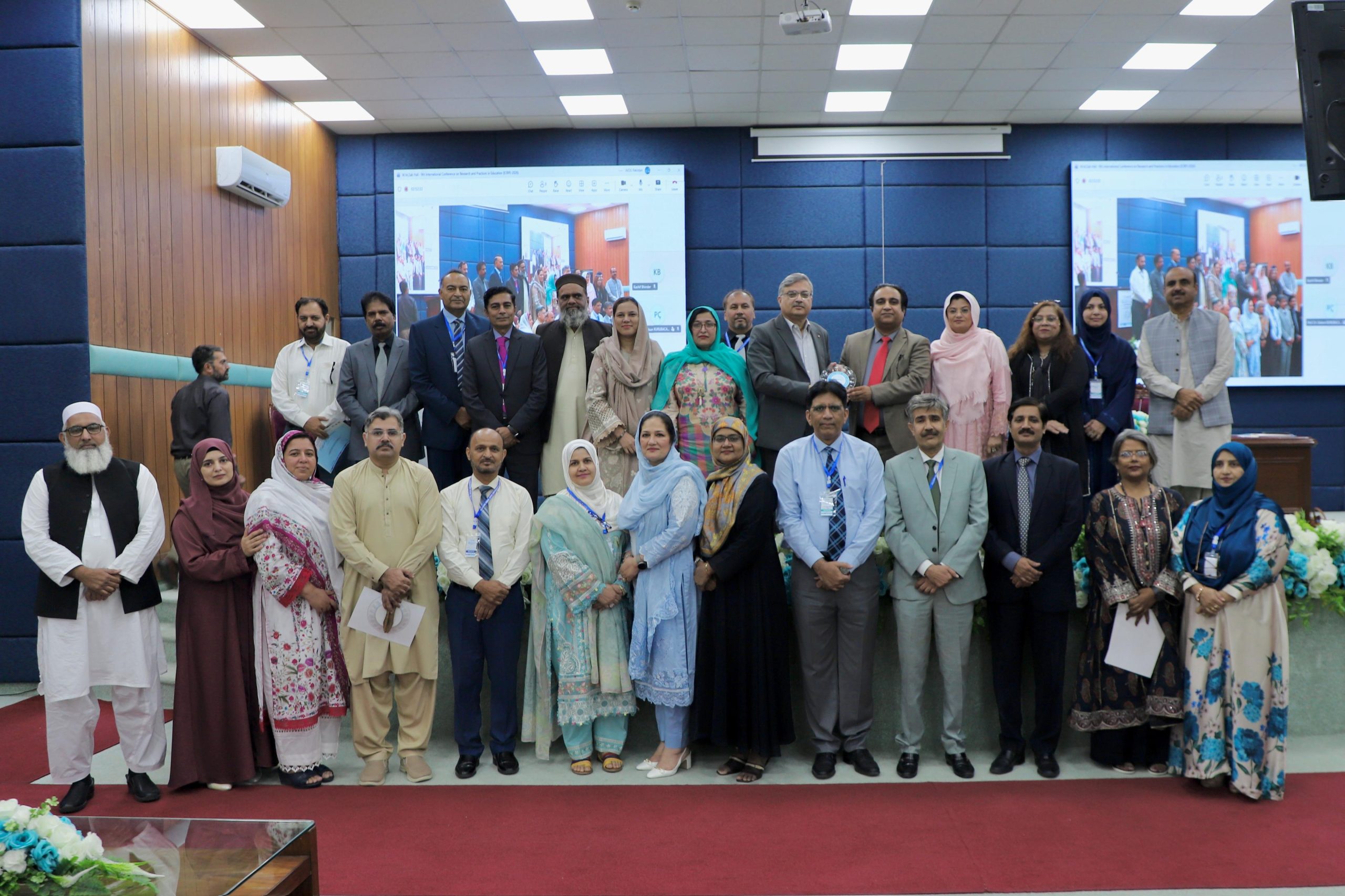
ISLAMABAD, Sep 23 (APP): Speakers from home and abroad at an international conference organized by Allama Iqbal Open University (AIOU) have called for transforming the education system in line with the rapidly changing demands of artificial intelligence and digital technology, stressing the need to equip students with critical thinking, research and problem-solving skills to meet future challenges.
They expressed these views during the concluding session of the 9th International Conference on “Research and Practices in Education,” organized by the Faculty of Education at AIOU.
The speakers emphasized that the growing influence of AI and digital technologies requires educational institutions to rethink curricula, teaching methodologies and learning practices to prepare students for an increasingly technology-driven world.
Vice Chancellor AIOU, Prof. Dr Nasir Mahmood, said that artificial intelligence should be used as a supportive technology to enhance teachers’ effectiveness rather than as a substitute for teachers. He said that the rapidly changing technological landscape required fundamental changes in teaching methods and the role of educators.
Prof. Dr Nasir Mahmood said that AI had made access to knowledge and information exceptionally easy, however, the availability of information and its authenticity were two different matters. Teachers, students and researchers should benefit from AI, but they must ensure the accuracy, authenticity and proper referencing of information obtained through AI tools.
He said that curricula and academic programmes should be designed not only to meet present-day requirements but also to address the intellectual, social, economic and technological needs of the next 15 to 20 years.
Future education, he added, should not merely teach students what to know but also how to think, ask questions, conduct research and develop solutions to complex problems.
The Vice Chancellor emphasized that education was not merely a means of serving industry or earning money; rather, it was a fundamental national responsibility.
He said that while AI could not replace the human role of a teacher, it could significantly strengthen teaching and learning processes.
He said that the teacher of the future should not merely be a provider of information but should serve as a mentor, facilitator and researcher capable of developing critical thinking among students.
AI, he added, could help teachers make their teaching practices more effective instead of replacing their role in the educational process.
Prof. Dr Nasir Mahmood said that learning was no longer confined to the classroom and had evolved into a complete “learning ecosystem.”
Lifelong learning had also become a fundamental requirement of the modern era.
Universities, he said, must provide opportunities for individuals to continue learning throughout their lives, enhance their skills and remain aligned with the changing demands of society and technology.
The theme of this year’s conference was “Evolving Learning Ecosystem: Connect, Teach and Grow.” During the two-day conference, speakers from Pakistan and abroad participated in panel discussions, parallel sessions and other academic sessions.
They discussed modern teaching methodologies, emerging technologies and the role of research in improving the quality and relevance of education.
The speakers also presented important recommendations and strategies for addressing the changing demands of education, strengthening teaching and learning practices, and preparing students for an increasingly digital and technology-driven future.
Conference Secretary Dr Hina Noor and Conference Coordinator Prof. Dr Naveed Sultana presented the conference report and thanked the participants, organizers and the Vice Chancellor for their cooperation in making the conference a successful academic event.