ISLAMABAD, Sep 23 (APP):The government on Wednesday decided to undertake a comprehensive technical audit of all power distribution companies (DISCOs) to determine the scale, causes and geographical concentration of electricity theft and technical and commercial losses, and devise measures to improve their performance. The decision was taken during the meeting of the committee constituted under the Prime Minister’s directive on inefficiencies and electricity theft in DISCOs. It was co-chaired by …
Govt to audit DISCOs to identify causes of power theft, losses
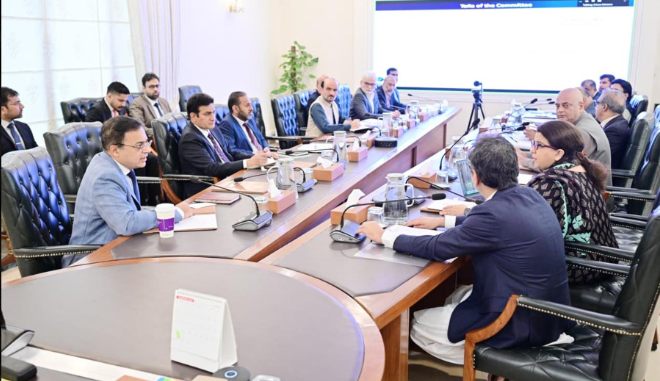
ISLAMABAD, Sep 23 (APP):The government on Wednesday decided to undertake a comprehensive technical audit of all power distribution companies (DISCOs) to determine the scale, causes and geographical concentration of electricity theft and technical and commercial losses, and devise measures to improve their performance.
The decision was taken during the meeting of the committee constituted under the Prime Minister’s directive on inefficiencies and electricity theft in DISCOs. It was co-chaired by Federal Minister for Economic Affairs and Establishment Division, Senator Ahad Cheema and Federal Minister for Power Division Sardar Awais Ahmad Khan Leghari.
The Committee received detailed briefings from the Power Division, National Electric Power Regulatory Authority (NEPRA), Ministry of Information Technology and Telecommunication, Pakistan Digital Authority and other relevant institutions on power theft, distribution losses, recoveries and technology-based interventions in the power sector.
The Ministry of Information Technology and Telecommunication was assigned responsibility for providing technological assistance and facilitating the technical audit through a transparent and credible mechanism. An Expression of Interest will be issued shortly to engage suitably qualified technical experts for the exercise.
The Committee further decided that the Terms of Reference for the technical audit would be finalised by next week.
Senator Ahad Cheema stressed that the audit must include a comprehensive diagnostic analysis of the underlying causes of power theft and losses and produce credible and actionable findings.
“The government is fully focused on reducing electricity theft. Under no circumstances will the burden of power theft or inefficiencies within the distribution system be shifted to the people. Overbilling is completely unacceptable,” Senator Ahad Cheema said.
He added that the findings of the technical audit would enable the government to take targeted and evidence-based measures to reduce power theft and distribution losses. He reiterated that every possible step would be taken to prevent any further increase in circular debt.
Federal Minister for Power Sardar Awais Ahmad Khan Leghari said the Power Division was fully aligned with the objectives of the Committee and was actively working to control theft and losses, particularly in DISCOs where the incidence of electricity theft remained high.
The Committee was also briefed on incentive-based solarisation pilot projects in areas served by PESCO and QESCO where power theft and distribution losses are particularly high. The initiative is aimed at providing solar energy solutions to reduce pressure on the electricity network and help address persistent theft and line-loss issues.
The Committee reviewed the technology-based measures being undertaken and emphasised the effective use of digital tools and reliable data to detect irregularities, improve monitoring and strengthen accountability across the distribution network.
Both the ministers noted the progress achieved in addressing overbilling but made it clear that any attempt by a DISCO to conceal theft, losses or operational inefficiencies through excessive billing would not be tolerated. Consumers must not be made to pay for weaknesses within the distribution system.
The Committee also reviewed the recovery performance of the DISCOs and expressed satisfaction over the improvement recorded during the current year.
The co-chairs emphasised that this momentum must be sustained through better governance, stronger monitoring, technology-driven reforms and targeted action in high-loss areas.