ISLAMABAD, Sep 23 (APP):Pakistan has installed more than 2.12 million smart electricity meters across the country as part of efforts to curb electricity theft, improve billing accuracy and strengthen revenue recovery. According to an official document available with APP, a total of 2,125,296 smart meters had been installed across the country as of August 5, 2026. The highest number of smart meters has been installed in Islamabad Electric Supply Company …
Over 2.12m smart meters installed nationwide to curb power theft
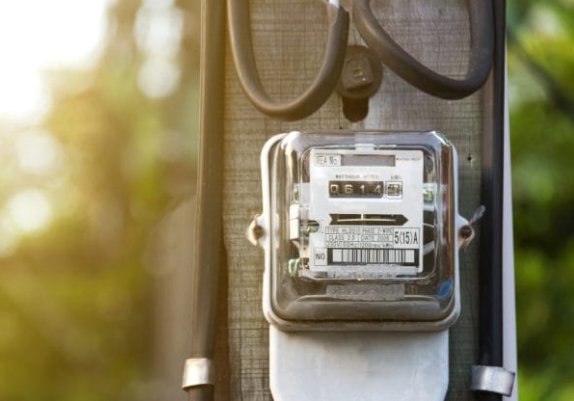
ISLAMABAD, Sep 23 (APP):Pakistan has installed more than 2.12 million smart electricity meters across the country as part of efforts to curb electricity theft, improve billing accuracy and strengthen revenue recovery.
According to an official document available with APP, a total of 2,125,296 smart meters had been installed across the country as of August 5, 2026.
The highest number of smart meters has been installed in Islamabad Electric Supply Company (IESCO), with 1.15 million meters, followed by Gujranwala Electric Power Company (GEPCO) with 348,135, Multan Electric Power Company (MEPCO) with 229,719 and Lahore Electric Supply Company (LESCO) with 119,372.
Faisalabad Electric Supply Company (FESCO) has installed 111,948 smart meters, Peshawar Electric Power Company (PESCO) 60,685, K-Electric 50,599, Hyderabad Electric Supply Company (HESCO) 19,620, Sukkur Electric Power Company (SEPCO) 13,432, Quetta Electric Supply Company (QESCO) 9,194, Hazara Electric Supply Company (HAZECO) 7,659 and Tribal Electric Supply Company (TESCO) 1,377.
The rollout is part of wider power-sector reforms aimed at improving billing accuracy, reducing electricity theft and strengthening monitoring of consumption. Smart meters can transmit consumption data electronically, reducing reliance on manual meter readings and allowing utilities to identify abnormal usage and losses more efficiently.
The Advanced Metering Infrastructure (AMI) system enables distribution companies to identify tampering and theft through alarms generated for slow or defective meters, missing or faulty current and potential transformers, communication failures, missing interval readings, overload conditions and other metering anomalies.
AMI also provides load profiles and consumption patterns, allowing operational staff to identify abnormal trends and take timely corrective measures.
The document said smart meters improved billing accuracy by eliminating manual meter-reading errors and estimated billing, while real-time access to metering data enabled prompt verification, field inspections and corrective action.
The system also allows remote meter operations, outage detection and restoration confirmation, helping improve service reliability and reduce outage duration. It also reduces operational costs by minimising manual meter-reading requirements.
According to the document, LESCO recovered or safeguarded 13.05 gigawatt-hours (GWh) of energy during FY2025-26 through timely detection and rectification of meter alarms, tampering events, abnormal consumption patterns and billing anomalies identified through the AMI system.
IESCO, meanwhile, reduced progressive losses by 1.32 percentage points in the AMI project area, bringing its overall progressive losses to 7.22 percent, it said.
QESCO also recorded an increase in progressive billed units of industrial connections, from 174.7 million units in FY2024-25 to 185.03 million units in FY2025-26.
The document said online meter data and the Meter Data Management (MDM) platform had emerged as effective tools for strengthening energy accounting, improving revenue recovery and enhancing the overall performance of distribution companies.
The Power Division has also introduced the “Apna Meter, Apni Reading” initiative, allowing consumers to submit their own meter readings, while its 118 helpline has been expanded to improve complaint handling.