ISLAMABAD, Sep 20 (APP):Natural wooden tumblers, particularly those made from neem and vijaysar wood, are catching the attention of health- and environment-conscious consumers in Islamabad, reviving interest in traditional drinking vessels as an alternative to conventional plastic and synthetic containers. The wooden glasses are being marketed as reusable, natural and environmentally friendly products, with sellers highlighting their traditional appeal, chemical-free appearance and potential contribution to reducing dependence on disposable drinking …
Neem wood tumblers catch Islamabad consumers’ fancy as green alternative
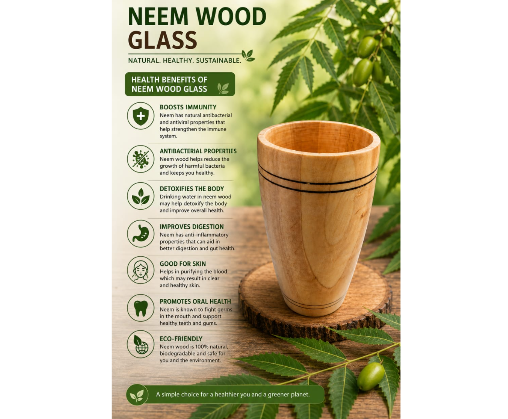
ISLAMABAD, Sep 20 (APP):Natural wooden tumblers, particularly those made from neem and vijaysar wood, are catching the attention of health- and environment-conscious consumers in Islamabad, reviving interest in traditional drinking vessels as an alternative to conventional plastic and synthetic containers.
The wooden glasses are being marketed as reusable, natural and environmentally friendly products, with sellers highlighting their traditional appeal, chemical-free appearance and potential contribution to reducing dependence on disposable drinking containers.
Consumers exploring the products say the natural texture, traditional look and reusable character are among the features making wooden tumblers attractive.
Talking to APP, Hania, a resident of Sector F-6 said, “I like the idea of using something natural instead of relying on plastic bottles and disposable glasses. The wooden tumbler also gives a traditional feel to an everyday habit. I find it simple, attractive and convenient for regular use, and I also like the fact that it is reusable. At a time when people are becoming more conscious about plastic waste and sustainable living, using traditional materials in our daily lives can be a positive step.”
Umaima, a resident of Sector G-7, told APP that the product appealed to her because of its simple design, natural appearance and reusable nature. “I was particularly interested in the idea of using a wooden tumbler as part of my daily routine because it reminds me of traditional ways of storing and drinking water. It is also a good option for people who want to reduce their use of plastic and disposable products,” she said.
She added that although she was interested in traditional wellness practices and the natural properties associated with neem and other woods, she preferred to treat health-related claims with caution.
The growing interest, however, has also brought attention to the claims being made about the health benefits of wooden drinkware.
Manufacturers and sellers of neem-wood tumblers commonly associate neem with antibacterial and antiviral properties and promote the vessels for benefits ranging from immunity and digestion to oral and skin health.
Vijaysar tumblers are similarly promoted for blood-sugar management, metabolism, digestion and liver health.
Experts urge caution over health claims
Food-safety research indicates that wood is not automatically an unsuitable material for contact with food or beverages. A peer-reviewed review published in Comprehensive Reviews in Food Science and Food Safety found that wood has been safely used with food for centuries and that some wood species possess antimicrobial characteristics.
Most recent research published in the Journal titled Microbial Safety of Wood in Contact with Food: A Review has continued examining the hygienic performance of wooden food-contact surfaces, noting that the porous and moisture-absorbing nature of wood can raise concerns about retention of microorganisms under certain conditions.
The US Food and Drug Administration’s 2026 Food Code also contains specific provisions governing the use of wood in food-contact applications, underscoring the importance of the intended use and construction of such products.
Traditional appeal meets sustainability
For Islamabad consumers, the attraction of wooden drinkware appears to extend beyond health claims. The products combine the appearance of traditional household utensils with the contemporary demand for reusable and environmentally conscious alternatives.
Environmental benefits, however, also depend on how the wood is sourced, processed, treated and eventually disposed of.
Health professionals generally advise consumers not to regard wooden tumblers as a treatment for diabetes, liver disease or other medical conditions. Claims relating to blood-sugar control, detoxification, weight loss or immunity require evidence from well-designed clinical studies and should not replace prescribed medicines or professional medical advice.