ISLAMABAD, Sep 15 (APP):Energy experts, industry representatives and regulatory specialists on Tuesday called for greater clarity, predictability and non-discriminatory treatment of consumers under Pakistan's newly finalised Use of System Charges (UoSC) framework, at a seminar jointly organised here by the Sustainable Development Policy Institute (SDPI) and the Pakistan Renewable Energy Coalition (PREC). The session, titled "Powering Change: UoSC Finalisation and the Dawn of CTBCM in Pakistan," examined the regulatory and …
Experts seek transparency, predictability in new power tariff framework
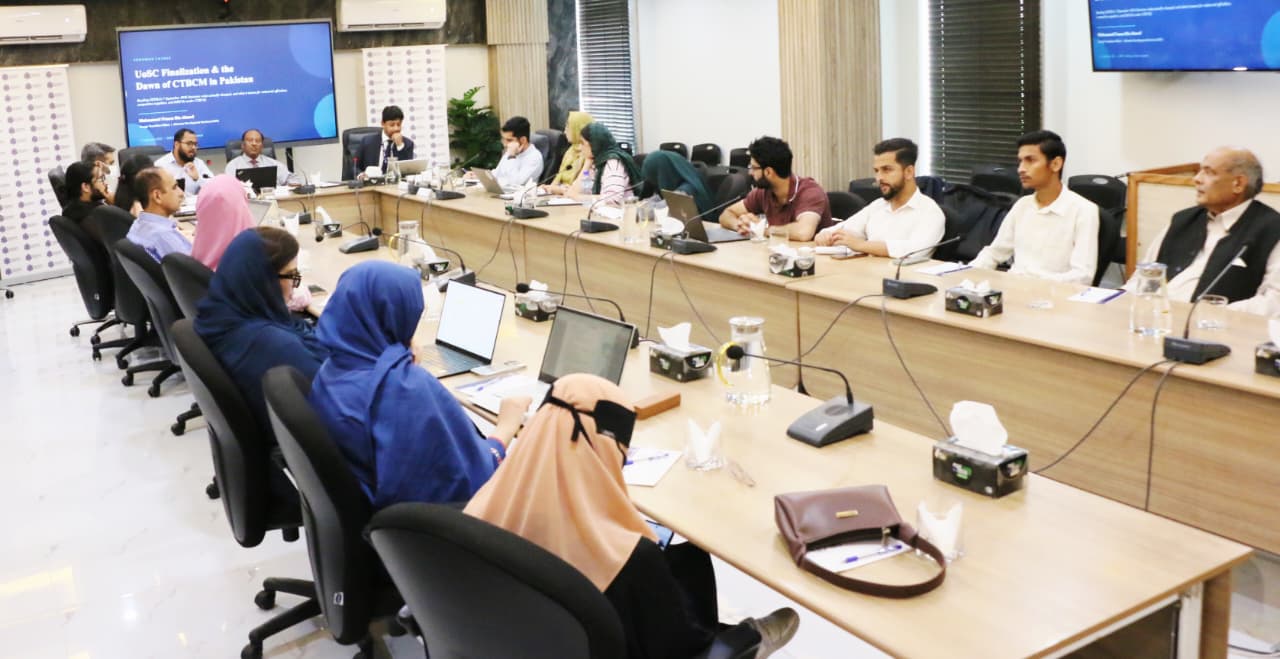
ISLAMABAD, Sep 15 (APP):Energy experts, industry representatives and regulatory specialists on Tuesday called for greater clarity, predictability and non-discriminatory treatment of consumers under Pakistan’s newly finalised Use of System Charges (UoSC) framework, at a seminar jointly organised here by the Sustainable Development Policy Institute (SDPI) and the Pakistan Renewable Energy Coalition (PREC).
The session, titled “Powering Change: UoSC Finalisation and the Dawn of CTBCM in Pakistan,” examined the regulatory and commercial implications of the Use of System Charges recently determined by the National Electric Power Regulatory Authority (NEPRA), which underpin Pakistan’s Competitive Trading Bilateral Contract Market (CTBCM), a reform intended to allow eligible consumers to purchase electricity directly from competitive suppliers rather than exclusively through their local distribution company, said a press release.
Muhammad Ayub, former Managing Director of the National Transmission and Despatch Company (NTDC) and former Chief Executive Officer of KP Transmission Company, said UoSC components tied to network infrastructure should be based on multi-year loss calibration studies, given that line losses and equipment performance change over the operational life of transmission assets.
He said NEPRA should require at least a 10-year loss-calibration assessment for new transmission lines before finalising related charges.
Ayub also raised questions about how supply disruptions and network faults would be reflected in billing mechanisms, and about the capacity distribution companies would need to reserve to guarantee reliable supply to bilateral consumers.
He cautioned that the recent formation of separate provincial electricity regulatory authorities in Sindh, Khyber Pakhtunkhwa and Punjab could complicate the implementation of a nationally coordinated competitive trading market.
Opening the session, Engineer Ubaid-ur-Rehman Zia, Head of Energy Unit at SDPI, said the discussion focused on gaps emerging from power market liberalisation reforms, particularly the tariff structure for consumers using transmission and distribution networks.
He said there had been extensive debate around determining an ideal set of charges for transmission and distribution companies, and that the seminar would bring together stakeholders to explore these gaps in detail.
Muhammad Usman Bin Ahmad, Energy Transition Officer at Alternate Development Services (ADS), presented a detailed technical breakdown of the UoSC components, including transmission and distribution charges, transmission and distribution loss reflections, cost adjudication, the standard cost component, and the debt service surcharge, along with their cumulative impact on industrial consumers.
Ramsha Panwhar of PREC said the UoSC determination process remained a work in progress, and called for greater transparency in the breakdown of individual components, along with a revision of the standard cost component following the first round of competitive auctions. She also stressed the need for a clearly communicated long-term plan.
Representing the Federation of Pakistan Chambers of Commerce and Industry’s Energy Advisory Committee and the Karachi Atlas Industries Trade Association, Rehan Javed questioned repeated revisions in proposed charges and sought clarity on taxes and other components being levied, saying policy inconsistency was discouraging investment.
Hasnat Khan of the Pakistan Solar Association suggested that hybrid battery storage and renewable energy models could offer industrial consumers a more commercially viable alternative to new standalone generation capacity.
SDPI’s Muhammad Umer called for a phased, long-term roadmap for the transition, linked to measurable improvements in the performance of individual distribution companies.
In closing remarks, Muhammad Ayub said the Competitive Trading Bilateral Contract Market was designed to introduce competition among power sector participants.
He warned that continued increases in UoSC components, losses and related charges could make electricity unaffordable for industrial consumers, regardless of the market structure.
He called for addressing recovery and losses, including through restructuring or privatisation of specific loss-making distribution circles, before imposing additional charges to cover such losses.