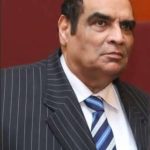
LAHORE, Sep 13 (APP):Convener FPCCI Regional Committee on Food Shahid Imran on Sunday welcomed government efforts to improve fiscal discipline and optimize public resources, urging the authorities to accelerate the privatisation of loss-making State-Owned Enterprises (SOEs) to ease the financial burden on the national exchequer. Talking to a delegation of industrialists here, he stated that the continued operation of chronically loss-making public-sector entities was placing a severe strain on public …
FPCCI official urges fast-tracking privatization of loss-making SOEs

LAHORE, Sep 13 (APP):Convener FPCCI Regional Committee on Food Shahid Imran on Sunday welcomed government efforts to improve fiscal discipline and optimize public resources, urging the authorities to accelerate the privatisation of loss-making State-Owned Enterprises (SOEs) to ease the financial burden on the national exchequer.
Talking to a delegation of industrialists here, he stated that the continued operation of chronically loss-making public-sector entities was placing a severe strain on public finances, draining approximately Rs 2.1 trillion annually from national resources.
He urged the government to expedite the privatization of loss-making SOEs through a transparent, competitive, and merit-based mechanism while ensuring a level playing field for commercially viable investors.
Shahid Imran emphasized that the effective implementation of economic reforms and the restructuring of loss-making entities would plug financial leakages, enhance operational efficiency, and generate space for investment in productive sectors.
He called upon the authorities to conduct comprehensive performance audits of all SOEs and categorize them based on their financial viability, strategic importance, and potential for private-sector management.
The FPCCI official noted that privatization, backed by strong regulatory oversight and institutional reforms, would attract fresh capital, improve operational performance, and contribute to sustainable economic growth.
He stressed that funds saved through structural reforms should be redirected toward infrastructure development, industrial development, agriculture, and export sectors to generate economic activity and create job opportunities.