
ISLAMABAD, Sep 7 (APP):Prime Minister Muhammad Shehbaz Sharif said literacy played a pivotal role in determining the quality of life of individuals and nations and in charting the course towards progress and prosperity in every sphere of life. He said promoting literacy and fostering cooperation in education and learning must undoubtedly remain an individual, national and global priority, so that the shared interests of humanity and positive values such as …
PM stresses literacy as key to progress, prosperity
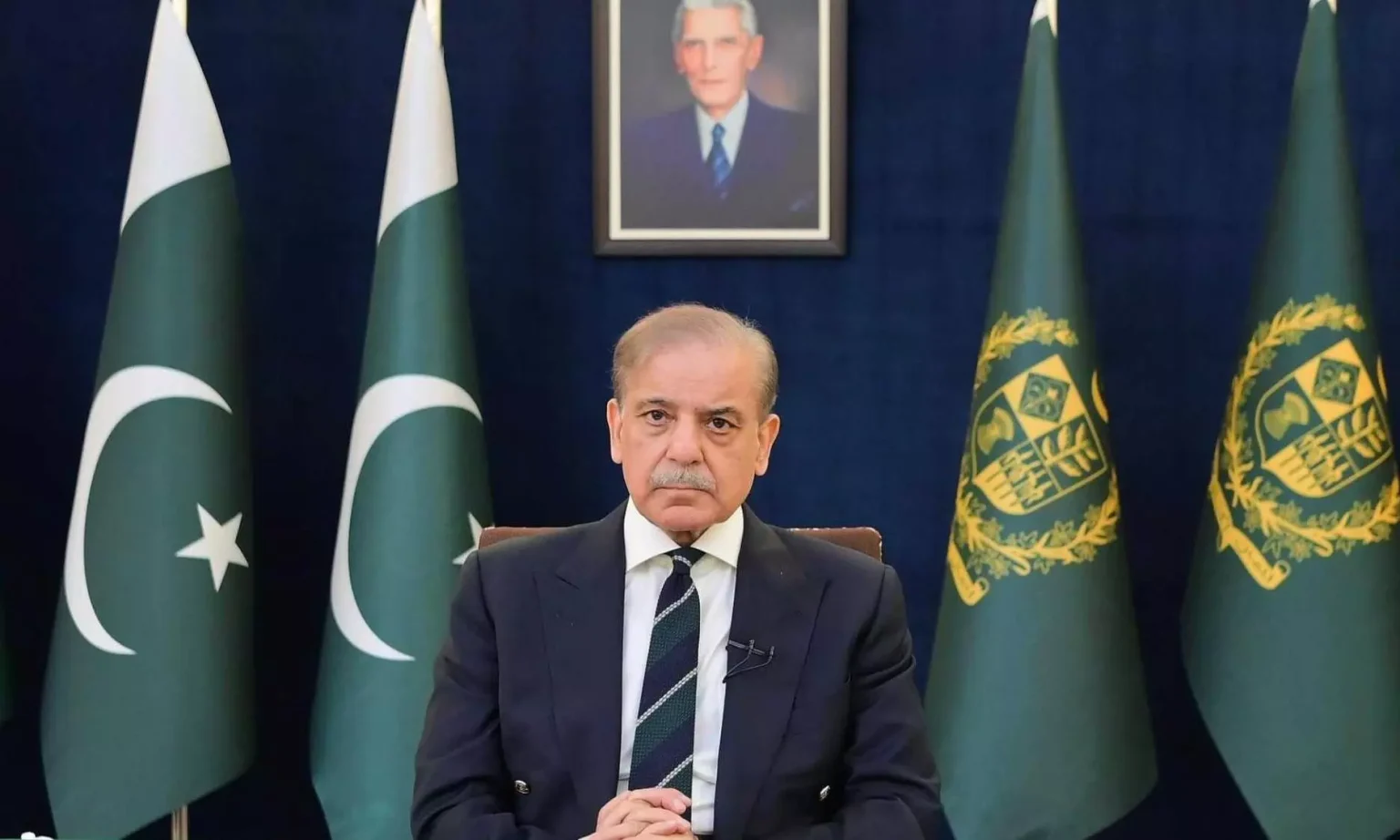
ISLAMABAD, Sep 7 (APP):Prime Minister Muhammad Shehbaz Sharif said literacy played a pivotal role in determining the quality of life of individuals and nations and in charting the course towards progress and prosperity in every sphere of life.
He said promoting literacy and fostering cooperation in education and learning must undoubtedly remain an individual, national and global priority, so that the shared interests of humanity and positive values such as peaceful coexistence might be strengthened and promoted.
In a message on International Literacy Day, the prime minister said Pakistan joined the international community in paying tribute to the spirit of learning and teaching, and to the quest for knowledge.
“This year, International Literacy Day is being observed under the theme, ‘Literacy for People, Planet and Prosperity. The theme highlights a powerful message that literacy empowers and enlightens individuals while enabling societies to move towards the goal of sustainable development,” PM Office Media Wing, in a press release, quoted him as saying.
The prime minister opined that literacy is not merely counting people in a country who can read and write rather it is a means of transforming our ideological, religious, social, economic and national foundations into a brighter future.
The journey towards realizing the true benefits of education, learning and literacy is, in essence, an endeavour to shape and empower the future generations, he stressed.
At the national level, he mentioned that the government was committed to ensuring equal, inclusive and quality education for all, with particular emphasis on digital literacy, skills development, research and innovation.
He said the Federal Government was working with provincial governments and relevant stakeholders on a comprehensive strategy to increase the literacy rate across the country and provide students enrolled in the education system with education aligned with the demands of the contemporary world.
In particular, the federal government had launched special programmes to enroll out-of-school children. Initiatives such as the Daanish Schools reflected their commitment that a child’s access to quality education should never be determined by his or her socio-economic circumstances, he added.
The prime minister observed that by providing free and quality education to children belonging to deserving and disadvantaged segments of society, particularly orphans, these institutions were helping nurture talent, build confidence and open pathways to a better future.
“Such efforts reflect our resolve to make quality education a means of social development and national inclusion,” he maintained.
Alongside providing educational opportunities, he said the National Vocational and Technical Training Commission (NAVTTC) had been made more effective and dynamic to equip their young workforce with globally competitive, internationally recognized and market oriented skills.
This would help open pathways to dignified employment, entrepreneurship and expanded economic opportunities for their youth, he said, adding by strengthening the linkage between education, skills development and the evolving requirements of the labour market, they could enable young people to become active partners in the economy and in Pakistan’s socio-economic development.
“To fully realize the benefits of literacy, it is equally imperative to give special attention to women’s education and empowerment. The country’s inclusive development depends on ensuring that women have equal opportunities to develop their capabilities and play their due role in national development,” he further stressed.
The prime minister said literacy is also fundamental to raising public awareness about the challenges of the twenty-first century, particularly climate change, environmental degradation and related risks, adding informed and responsible citizens can play a more effective role in protecting and sustainably developing their natural resources.
To achieve the national objective of improving literacy rates and establishing a quality education system, the government, educational institutions, students, teachers, parents, civil society, development partners, the private sector and the media must all work together and play an effective and coordinated role, he underscored.
“Let us renew our resolve that, as a nation, we will illuminate the minds of our younger generation with the light of knowledge and ensure a prosperous and accomplished future marked by progress and opportunity,” he emphasised.

