Advisor to the Finance Minister, Khurram Schehzad on Thursday said Pakistan’s agenda of inclusive finance was making visible progress, with increased access to credit for housing, agriculture, small and medium enterprises (SMEs), electric vehicles (EVs) and productive investment helping translate macroeconomic stability into private-sector-led, export-oriented and inclusive growth.
Inclusive finance advances as lending expands to key productive sectors: Khurram Schehzad
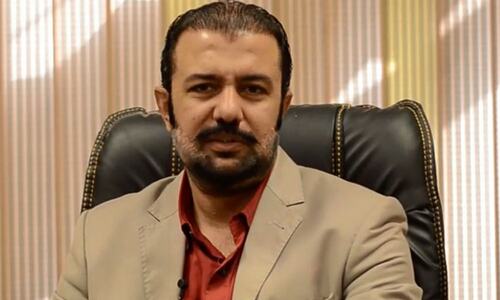
ISLAMABAD, Aug 27 (APP):Advisor to the Finance Minister, Khurram Schehzad on Thursday said Pakistan’s agenda of inclusive finance was making visible progress, with increased access to credit for housing, agriculture, small and medium enterprises (SMEs), electric vehicles (EVs) and productive investment helping translate macroeconomic stability into private-sector-led, export-oriented and inclusive growth.
In a progress update shared on social media platform X, the advisor said the objective was not merely to increase lending but to direct finance towards productive sectors, broaden economic opportunities and enable more people and businesses to participate in economic growth.
He said significant progress had been recorded since June 2026 under various initiatives.
Under the Apna Ghar housing finance programme, applications had increased by 84 per cent to more than 46,000, while approved financing had nearly doubled to around Rs280 billion. Loans disbursed had risen by 59 per cent to more than 7,600, he added.
The advisor said the expansion of housing finance was supporting home ownership while generating economic activity across the construction sector, building materials, SMEs and employment.
In the agriculture sector, the number of borrowers had increased by around 115,000 to 3.37 million, reflecting broader access to formal finance.
Under Zarkhez-e, bank approvals had risen by 12 per cent to nearly 16,700, while loan disbursements had increased by 13 per cent to almost 5,000. The initiative was expanding collateral-free financing for small and tenant farmers and supporting agricultural productivity, rural incomes and financial inclusion, he said.
On SME financing, Khurram Schehzad said around 330,000 SMEs were accessing approximately Rs1.05 trillion in formal finance.
He said new credit-scoring models being introduced across 13 banks were aimed at moving lending beyond traditional collateral-based financing, thereby expanding access to credit and enabling businesses to invest, expand and scale up operations.
The advisor said financing was increasingly being linked with working capital, long-term investment, export refinancing and performance-based incentives, enabling businesses to enhance production capacity, improve competitiveness and generate greater exports and foreign exchange.
He also highlighted progress in green finance, saying that under the PAVE (Pakistan Accelerated Vehicle Electrification) initiative, approvals had increased by 24 per cent and loan disbursements by 34 per cent.
Electric vehicle deliveries had more than tripled, rising from 471 to over 1,500, he said, adding that the expansion was promoting cleaner mobility while creating new avenues for investment, industries and economic activity.
“The bigger story” was the transformation of finance into investment, production, jobs, exports and sustainable growth, the advisor said.
He said the overarching objective was to move capital towards productive activity, broaden economic opportunity and enable more Pakistanis to participate in growth.
“From financial inclusion to economic inclusion,” the advisor said, the focus was on empowering people, enabling businesses and building a stronger, more competitive and export-oriented Pakistan.