ISLAMABAD, Aug 25 (APP):The government is taking steps to regulate medical college fees and protect students from excessive charges, Parliamentary Secretary for National Health Services, Regulations and Coordination Nelson Azeem told the National Assembly on Tuesday. Responding to a calling attention notice about high fees and charges at medical colleges and private hospitals in Islamabad, he said a committee formed under the chairmanship of the prime minister had reviewed the …
Govt. taking steps to regulate medical college fees, protect students from excessive charges: NA told
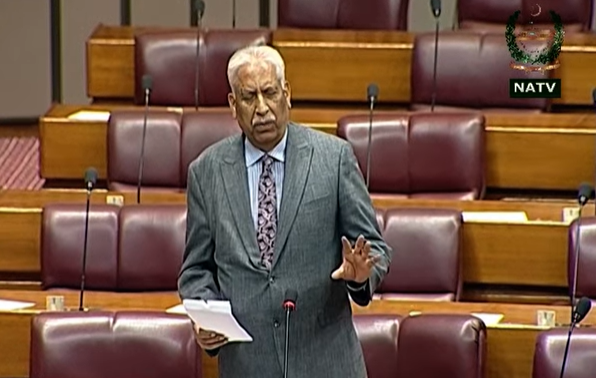
ISLAMABAD, Aug 25 (APP):The government is taking steps to regulate medical college fees and protect students from excessive charges, Parliamentary Secretary for National Health Services, Regulations and Coordination Nelson Azeem told the National Assembly on Tuesday.
Responding to a calling attention notice about high fees and charges at medical colleges and private hospitals in Islamabad, he said a committee formed under the chairmanship of the prime minister had reviewed the fees charged by medical colleges.
The committee initially fixed the fee at Rs1.8 million per student.
Some colleges challenged the decision, saying they offered better facilities and services and faced higher expenses. The committee asked them to justify their demands based on their facilities and expenses.
A total of 61 medical colleges submitted appeals along with relevant documents. After reviewing the appeals, the committee found the cases of 35 institutions justified and allowed them to charge Rs2.1 million.
Azeem said a portal had also been established for students and their parents to submit complaints against medical colleges.
He said notices had been issued to 45 institutions. Action would be taken against them if they failed to submit the required taxes or justify their fees.
He said private medical colleges were required to follow the fee structure determined by the committee. Another committee had also been formed to take action against institutions that failed to implement the decisions.
Meanwhile, Federal Minister for National Health Services, Regulations and Coordination Syed Mustafa Kamal told the house that 65 per cent of the country’s medical seats were in the private sector, while 35 per cent were in government medical colleges.
He said there were around 22,000 medical seats in the country. Around 96,000 students passed the MDCAT last year, but only about 22,000 secured admission to medical colleges.
Mustafa Kamal said many Pakistani students subsequently travelled abroad for medical education, particularly to Central Asian countries, where the quality of education was not always satisfactory.
He said the Pakistan Medical and Dental Council (PMDC) had published a list of recognised foreign medical colleges on its website to guide students.
The minister said students who had passed the MDCAT should be given preference for medical education abroad. He said Pakistani students spend around $800 million in foreign exchange on medical education abroad.
Mustafa Kamal said government medical seats were limited, while the government had imposed a three-year moratorium on establishing new private medical colleges.
He clarified that the moratorium did not apply to government medical colleges.
He said government medical colleges were increasing their seats as they expanded their infrastructure. He stressed that private medical colleges train 65 per cent of the approximately 22,000 students admitted every year.
Azeem said the government was facilitating students through government-recognised seats. Students applying to private medical colleges are allocated institutions according to their preferences in their admission forms.
He said many students graduating from medical colleges in Pakistan prefer to move abroad, including to the United States and the United Kingdom.
He added that doctors who remain in Pakistan continue to serve the people. Doctors trained abroad are required to pass a test conducted by the PMDC before they can practise in Pakistan.
He said the test was necessary to protect patients’ lives and ensure that doctors met the required standards. Those who qualify are issued certificates and can also work in government institutions.