
LAHORE, Aug 23 (APP):Convener Federation of Pakistan Chambers of Commerce and Industry (FPCCI) Regional Committee on Food Shahid Imran has said Pakistan can save at least $6 billion in foreign exchange by bringing more land under oilseed cultivation. Talking to a delegation of progressive farmers here on Sunday,he said the expansion of olive cultivation in recent years was an encouraging development that could help reduce the country’s dependence on imported …
Pakistan can save $6bn forex by expanding oil cultivation:Shahid Imran
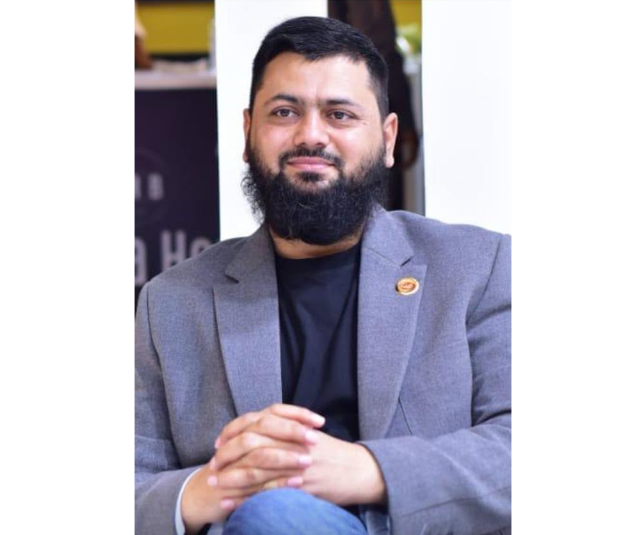
LAHORE, Aug 23 (APP):Convener Federation of Pakistan Chambers of Commerce and Industry (FPCCI) Regional Committee on Food Shahid Imran has said Pakistan can save at least $6 billion in foreign exchange by bringing more land under oilseed cultivation.
Talking to a delegation of progressive farmers here on Sunday,he said the expansion of olive cultivation in recent years was an encouraging development that could help reduce the country’s dependence on imported edible oil.
He said Pakistan had considerable potential to develop a thriving olive industry but its long-term success depended not only on expanding cultivation but also on developing a complete and competitive value chain.
Shahid Imran said government program and support from development partners had helped promote olive farming in Potohar, Khyber Pakhtunkhwa and Balochistan.
The plantation of millions of olive trees and growing interest among farmers and investors reflected a positive response to the initiative,he added.
He said expansion of olive orchards offered a valuable opportunity to strengthen domestic production, save foreign exchange and develop a high-value agricultural sector.
He stressed that investment in modern extraction units, quality laboratories and skilled human resources was crucial to ensuring that Pakistani olive oil gained credibility in domestic and international markets.
With these foundations in place, olive cultivation could become a model of value-added agriculture, helping reduce imports while creating new opportunities for exports and rural economic growth, he added.
He said the olive sector should now be treated as a strategic agricultural industry rather than merely a crop-promotion initiative.
A coordinated approach involving research institutions, farmers, processors and policymakers could help build a sustainable ecosystem covering the entire chain from orchard management to international marketing.
He called for a comprehensive national olive policy to regulate quality, encourage investment and prepare the industry for international markets.
Growers,he added, needed targeted incentives,technical support and financial facilitation to encourage further investment in the sector.

