Noting Libya’s strides in advancing its ambitious political roadmap aimed at unifying the country’s divided institutions and paving the way for elections, Pakistan has emphasized the need to respect Libyan sovereignty and the wishes of its people.
Backing political unity, Pakistan emphasizes Libya’s sovereignty and electoral path
UNITED NATIONS, Aug 19 (APP):Noting Libya’s strides in advancing its ambitious political roadmap aimed at unifying the country’s divided institutions and paving the way for elections, Pakistan has emphasized the need to respect Libyan sovereignty and the wishes of its people.
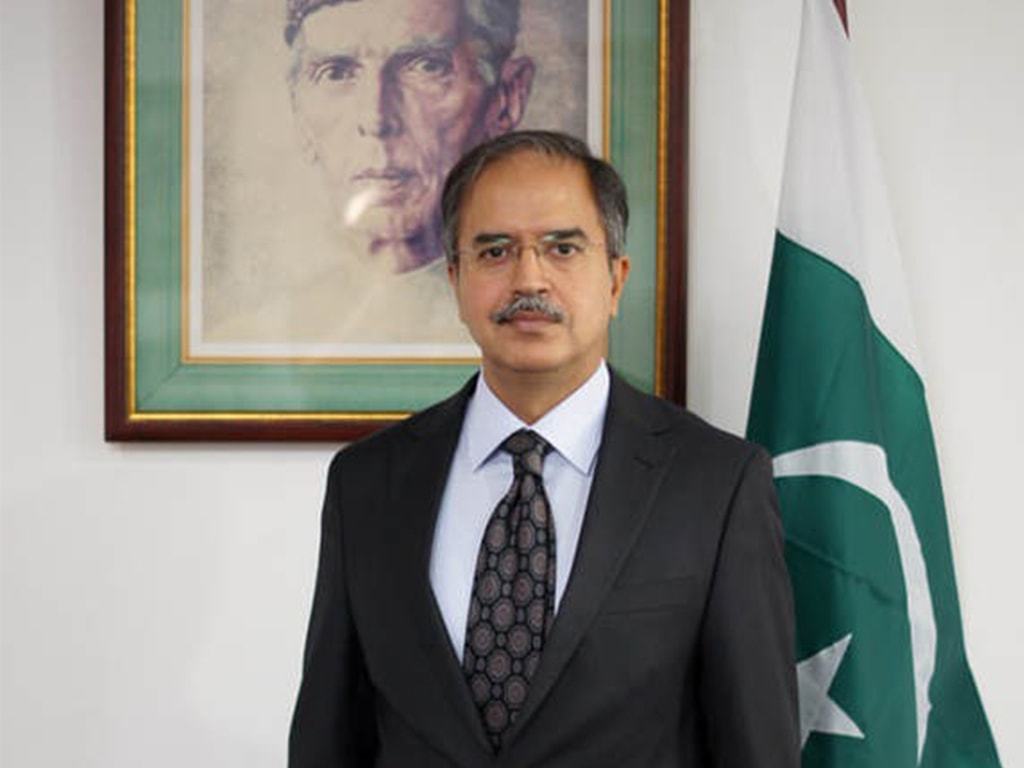
Speaking in the UN Security Council during a debate on the situation in Libya, Ambassador Asim Iftikhar Ahmad, permanent representative of Pakistan to the UN, said that an inclusive, Libyan-led and Libyan-owned political process is the only viable way forward.
“Primary responsibility for that rests with the Libyan people who are the ones who have to tread that path,” he said, stressing the need for political will.
Since the 2011 uprising that ended Muammar Qaddafi’s rule, efforts to establish unified governance in Libya have been hindered by institutional fragmentation and rival authorities.
While the 2020 ceasefire reduced large-scale fighting, political divisions persist. Mediation through the UNSMIL (UN Support Mission in Libya) continues to pursue a constitutional basis and electoral framework under the political roadmap.
In his remarks, the Pakistani envoy welcomed regional and international efforts, including by the U.S., aimed at supporting the UN-facilitated political process, and also noted the roadmap announced on 18 June by the leadership of the Presidential Council, House of Representatives and High Council of State.
Ambassador Asim Ahmad also welcomed the conclusion of the dialogue between the stakeholders, hoping that its recommendations would translate into practical actions advancing institutional reunification and national reconciliation.
In addition, he also praised continued engagement between the military and security institutions from eastern and western Libya.
“We believe all these efforts and developments on various tracks would contribute to the overarching goal of national reconciliation and a unified government for durable peace and stability in Libya, and well-being and prosperity of the Libyan people,” the Pakistani envoy added.
At the outset, Hanna Serwaa Tetteh, Special Representative of the Secretary-General and Head of the UNSMIL, told the 15-member Council that the need to move Libya’s political process forward remains “crucial.”
“Widespread electricity outages and public discontent – exacerbated by a prolonged heatwave – have exposed the consequences of institutional fragmentation, large-scale diversion of public resources, underinvestment and uncoordinated decision-making,”Ms. Tetteh said.
“This is why the political process is about more than bridging political differences,” she said. “It is about restoring the State’s capacity to provide for its people.”
The road map, which she presented to the Council a year ago, provides a credible path to presidential and legislative elections; an inclusive Structured Dialogue to address governance challenges; and reunification of executive institutions under a unified Government.