In the narrow, time-worn streets of Namak Mandi, Peshawar, the rhythmic hum of gemstone-polishing machines echoes through bustling workshops, telling a story of hope, resilience and an industry with enormous untapped potential.
Unlocking KP gemstones treasures awaits greater KP govt patronage
By Fakhar e Alam
PESHAWAR, Aug 16 (APP):: In the narrow, time-worn streets of Namak Mandi, Peshawar, the rhythmic hum of gemstone-polishing machines echoes through bustling workshops, telling a story of hope, resilience and an industry with enormous untapped potential.
At the heart of one such workshop is 64-year-old Fayaz Khan, a gemstone trader who has spent decades watching rough, unremarkable stones transform into objects of extraordinary beauty and value.
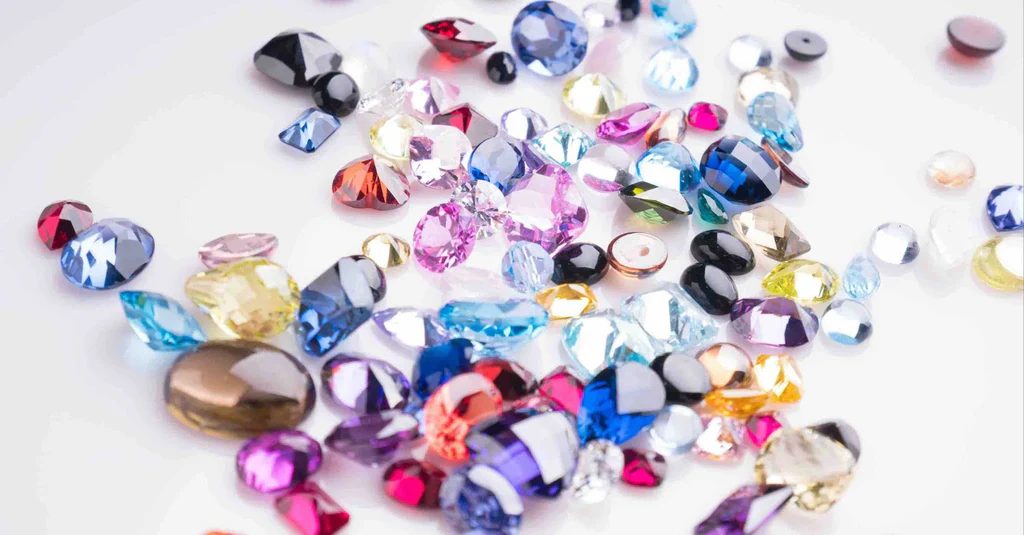
Around him, young artisans carefully cut and polish emeralds from Swat, rubies from Chitral, peridot from Kohistan and topaz from Mardan. Their skilled hands are turning the province’s natural wealth into a source of income and livelihood for families associated with mining, trading, cutting, polishing and jewelery making.
For Fayaz, gemstones are more than merchandise. They are a lifeline that offers people the opportunity to earn a respectable living with dignity amid rising prices and growing economic hardships.
“Every stone we touch here has a story, a struggle, a journey and a dream,” he said, holding a deep-green emerald that shimmered under the workshop lights. “We only need the support of the KP government to train miners, modernize the sector and showcase our gemstones before the world.”
Fayaz’ s family entered the gemstone trade in the early 1980s. What began as a modest family business has survived two generations and provided employment and valuable skills to scores of people.
His story reflects the experience of thousands of workers and traders whose livelihoods depend on a sector that experts believe could emerge as a significant contributor to Pakistan’s export economy.
Khyber Pakhtunkhwa is endowed with an extraordinary variety of precious and semi-precious stones. Along with Gilgit-Baltistan, Azad Jammu and Kashmir and parts of Balochistan, the province forms part of Pakistan’s richest geological belt, containing ruby, emerald, sapphire, aquamarine, peridot and topaz.
Yet much of this hidden treasure remains trapped between the mine and the international market because of inadequate official patronage, outdated mining practices, limited technology and insufficient value
addition.
According to gemstone traders, more than 350,000 people are directly or indirectly associated with the gemstone trade in KP, with Namak Mandi regarded as one of the country’s oldest and most important trading centres. The market has remained active since the 1970s, connecting miners and traders with domestic and international
buyers.
However, the sector’s economic potential is far greater than its current contribution. Fayaz said emeralds could fetch prices of up to Rs25,000 per carat, while properly processed, high-quality rubies could generate substantial returns. Such figures demonstrate the value that can be created when rough stones are transformed locally through cutting, polishing, grading and certification instead of being exported in their raw form.
This, industry representatives say, is one of KP’ s greatest challenges.
Traditional mining techniques often result in considerable wastage of valuable material while exposing miners to serious safety risks. Outdated machinery, inadequate technical training and limited access to modern geological and mining technologies prevent workers from extracting the maximum possible value from mineral
deposits.
“Precious material is wasted because mining is still largely carried out through traditional methods,” traders said, stressing the urgent need for modern equipment, professional expertise and safer mining practices.
The challenge does not end at the mines. The absence of easily accessible, internationally recognized grading and certification facilities means that many Pakistani gemstones struggle to obtain the premium prices they could command in global markets.
Some stones leave the country in raw or semi-processed form, depriving local communities and businesses of the greater income that could be generated through value addition.
Mamoor Khan, Patron-in-Chief of the All Pakistan Commercial Exporters Association (APCEA), believes the gap between the sector’s potential and actual exports remains enormous.
“Pakistan can export millions of carats of rubies, emeralds and peridots,” he said, noting that gemstone exports by APCEA members stood at only around $4 million in 2021-22. For an industry sitting on such a rich natural resource base, the figure highlights the scale of the unrealized opportunity.
He said gemstones should be treated not merely as a traditional trade but as a modern, export-oriented industry capable of generating employment, foreign exchange and investment.
Over the last two years, more than 4,500 students from KP and the merged districts have reportedly received training in gemstone mining, cutting and polishing through master trainers associated with the Gems and Gemological Institute Peshawar (GGIP).
For young people in KP, where employment opportunities remain a major concern, such training can transform natural resources into sustainable and skilled livelihoods.
Sabaz Ali, Director at the Trade Development Authority of Pakistan (TDAP), highlighted federal initiatives aimed at developing the sector. He said a draft act for establishing a Gems and Jewellery Authority had been approved, while gemstones had also been identified as a priority sector under the Strategic Trade Policy Framework.
He said the federal government had recently launched the National Gemstone Policy (2026-2030), targeting gemstone exports of between $500 million and $1 billion within five years through improved local cutting, certification and formal mining.
Plans for a Gemstone City in Peshawar could provide another major boost by bringing traders, cutters and polishers together with modern machinery, certification laboratories, packaging facilities and marketing support.
Such infrastructure, experts believe, could fundamentally transform the economics of the sector. Instead of exporting a rough emerald for a modest price, Pakistan could retain a much larger share of its value by cutting, polishing, grading, designing and marketing the finished stone locally.
This could create jobs not only in mining but also in engineering, laboratory services, jewellery manufacturing, packaging, logistics, tourism and international marketing.
Dr Muhammad Naeem of the Economics Department at the University of Swabi described gemstones as a potential pillar of Pakistan’s export diversification. He said the country possessed an estimated $450 billion in untapped gemstone reserves, while official annual exports remained low, at around $5.8 million, largely because of informal trade and smuggling.
He called for subsidized financing, public-private partnerships and modern gem laboratories in major producing and trading centres to unlock the sector’s enormous potential.
For Fayaz, however, the gemstone story is ultimately about people. He has watched young workers enter his workshop with little more than enthusiasm and gradually acquire the skills required to transform rough stones into dazzling gems.
Every finished stone represents hours of labor, craftsmanship and hope the possibility of a better income for an entire family.
His workshop is therefore more than a place of commerce. It is a small but vivid example of what KP’ s wider gemstone industry could become if supported by modern technology, investment, training and sound policies.
“Every stone has a story,” Fayaz repeated, gazing at the emerald in his hand. “We want the world to see what KP has.”
As the machines continue their rhythmic work in Namak Mandi, the province’s gemstones remain a powerful metaphor for KP itself: rich in natural potential, resilient in spirit and quietly waiting for the right conditions to reveal its full brilliance.
With sustained government support, modern mining technology, skilled training, credible certification, access to finance and an aggressive export strategy, KP’s hidden jewels could become far more than ornaments worn around the world.
They could become a source of jobs, foreign exchange, entrepreneurship and economic hope for an entire generation.