RAWALPINDI, Aug 16 (APP):Pakistan’s energy future will increasingly depend on adopting an integrated planning approach that treats electricity, petroleum, gas and major energy-consuming sectors as parts of one interconnected system, energy-sector expert Talha Khalid said. Speaking at a recent discussion hosted by the Sustainable Development Policy Institute (SDPI) on Energy Sector Reforms and Way forward, Talha Khalid said that decisions in one segment of the energy value chain increasingly have …
Integrated planning key to Pakistan’s secure, affordable & sustainable energy future: Talha Khalid
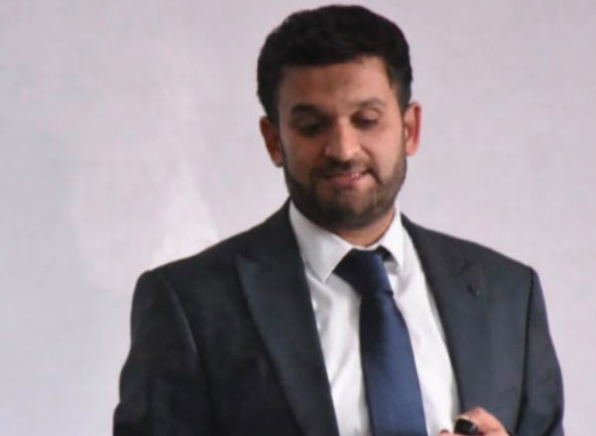
RAWALPINDI, Aug 16 (APP):Pakistan’s energy future will increasingly depend on adopting an integrated planning approach that treats electricity, petroleum, gas and major energy-consuming sectors as parts of one interconnected system, energy-sector expert Talha Khalid said.
Speaking at a recent discussion hosted by the Sustainable Development Policy Institute (SDPI) on Energy Sector Reforms and Way forward, Talha Khalid said that decisions in one segment of the energy value chain increasingly have implications across others, whereas making coordinated long-term planning is essential for achieving energy security, affordability and sustainability.
“Pakistan’s path towards energy security, affordability and sustainability increasingly depends on integrated energy planning and coordinated implementation,” he said.
Drawing on his experience in the energy sector, Talha noted that conventional sector-by-sector planning needs to evolve towards a whole-of-energy-system perspective.
“He noted that growing electrification, distributed renewable energy, storage technologies, energy efficiency and changing fuel dynamics are creating stronger linkages between electricity, gas, petroleum, transport and industry.
Integrated Energy Planning, he said, is not another standalone sectoral plan. Rather, it provides a framework to assess alternative pathways for the overall energy system and identify options that offer the best balance between economic cost, energy security and environmental sustainability.
He said the Integrated Energy Planning process is also progressing towards the development of a high-level design and implementation roadmap, aimed at translating long-term energy pathways into coordinated institutional actions and providing a structured direction for implementation.
Khalid added that strong institutional coordination would be critical to the success of the process, requiring continuous alignment among relevant ministries, institutions and sector stakeholders.