A beautiful landscape can draw thousands of people, but a few careless habits can leave a lasting scar. Families, youth and elders come seeking fresh air and greenery, yet bottles, wrappers and food packets are often thrown from cars or left at scenic spots. Public spaces may be provided for recreation, but keeping them clean ultimately depends on changing the habit of littering.
Littering behaviour leaves lasting scars on tourist spots after visitors leave
By Moniba Iftikhar
ISLAMABAD, Aug 16 (APP):A beautiful landscape can draw thousands of people, but a few careless habits can leave a lasting scar. Families, youth and elders come seeking fresh air and greenery, yet bottles, wrappers and food packets are often thrown from cars or left at scenic spots. Public spaces may be provided for recreation, but keeping them clean ultimately depends on changing the habit of littering.
The car pulls to a halt at a scenic viewpoint and, for a moment, everything seems perfect: a cool breeze, green hills and a wide, peaceful view. A family steps out; children run towards the open space while adults unpack snacks and take photographs. Then, as the car prepares to leave, an empty bottle and a handful of wrappers are tossed
aside.
The vehicle disappears down the road, but the waste remains, quietly becoming part of the beautiful scene.
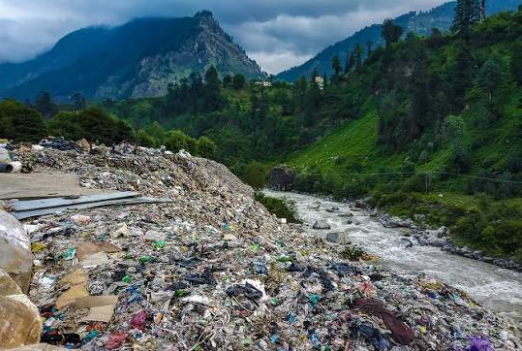
What remains after the car disappears is more than discarded plastic; it reflects a deeper problem of public behaviour, civic responsibility and environmental awareness. People travel long distances to admire mountains, forests, lakes and rivers, carefully choosing the perfect background for photographs, yet the waste they leave behind often remains just outside the camera frame. The irony is hard to ignore: visitors come to experience nature at its finest, while careless habits slowly damage the beauty they came to enjoy.
The growing piles of waste have also caught the attention of tourism authorities. Asim Raza, Managing Director of the Tourism Development Corporation of Punjab (TDCP), told APP that tourists should avoid littering from Punjab to northern areas and help keep popular destinations clean. Dustbins are also planned at key tourist spots to encourage proper waste disposal.
But a cleaner landscape cannot be created by dustbins alone. A bin may be nearby, yet the choice to use it rests with every visitor. A bottle thrown from a car window takes only seconds, but its impact can remain for years. The message is simple: enjoy the beauty, but do not leave your waste behind.
Associate Professor Fatima Mubeen, Principal of Islamabad Model College for Girls (IMCG) F-10/2, stressed that changing attitudes towards littering must begin in classrooms and homes. She said parents and teachers have a vital role in building environmental awareness among children, while the syllabus should give greater space to cleanliness, civic responsibility and protection of nature. “A lesson taught early can become a habit for life,” she remarked.
The scene, however, is not without hope. A visitor to an Islamabad trail, Shahzad Malik, told APP that growing litter at parks, recreational areas and scenic spots was marring their beauty and adding to the environmental burden.
Plastic bottles and wrappers can find their way into soil and waterways, worsening pollution and placing further pressure on natural surroundings already facing climate and environmental stress.
He said some visitors were collecting their waste and carrying it away, showing that responsibility can be as simple as taking back what one brings. Another citizen volunteering in cleanliness drives in the capital said such small efforts carried a bigger message: cleaner surroundings begin with individual choices.
Environmental experts have also stressed that protecting natural beauty cannot be left to government departments alone. Enjoying a place, they say, also means respecting it, keeping it clean and leaving it as beautiful as it was found.
In Gilgit-Baltistan, where clear rivers run beneath towering mountains, local residents have raised concerns over waste and waste-water from some hotels reportedly finding their way into waterways. Ahmad Mukhtar, a tourist, said the sight of polluted water and discarded waste was deeply disturbing in a region celebrated for its pristine beauty. He called for strict monitoring and meaningful penalties for businesses violating environmental rules, warning that unchecked pollution could threaten rivers that sustain these valleys.
Dr Fahad, a senior climate scientist, said environmental damage often begins with everyday habits that are overlooked. He stressed that waste should be disposed of properly and public awareness must grow alongside tourism. “Nature remembers what people leave behind,” he said.
In Islamabad, cleanliness efforts are also being strengthened as part of wider beautification measures. An Environment Wing official expressed concern that careless littering continues to undermine the capital’s beauty despite sanitation operations and action against violations of solid waste regulations. The message is clear: no cleanliness campaign can succeed without public cooperation.
The environmental cost goes far beyond an untidy picnic spot. Plastic waste can remain in the environment for years, while rain can carry discarded material into drains, streams and ponds. In a changing climate, when natural systems are already under pressure, adding pollution makes the challenge even greater. What appears to be one careless throw can become a persistent environmental problem when repeated by thousands of visitors.
Young people and vloggers can also help change this behaviour. A Class 10 student said youth could use social media to promote responsible tourism. Local vlogger Shandana highlighted the potential of content creators to showcase beautiful destinations while encouraging visitors to protect them. If social media can bring thousands of people to a destination, it can also inspire them to care for it.
The lesson must also begin at home. A child watching an adult throw a wrapper from a car may learn that convenience comes before responsibility. A child watching the same adult carry that wrapper to a bin learns a very different lesson.
Tourist destinations are not dumping grounds. Rivers, forests, hills and parks are part of the country’s natural heritage. Authorities can provide dustbins, sanitation services and enforcement, but the final responsibility rests with those who use these spaces.
As visitor numbers rise and climate pressures intensify, protecting nature will require more than government campaigns. It will require citizens to change everyday habits that quietly turn beauty into waste.
The choice is simple: leave behind a memory, not a mess.