ISLAMABAD, Aug 4 (APP):Pakistan's Minister for Kashmir Affairs and Gilgit-Baltistan, Engineer Amir Muqam, on Monday renewed Islamabad's call for a UN-backed resolution of the Kashmir dispute, saying Pakistan would continue to observe August 5 as Youm-e-Istehsal (Day of Exploitation) to commemorate India's 2019 decision to revoke the special constitutional status of Indian-administered Jammu and Kashmir. Speaking at a joint press conference with All Parties Hurriyat Conference (APHC) spokesman Professor Ghulam …
Pakistan marks Aug. 5 as ‘Day of Exploitation’, calls for UN-backed resolution of Kashmir dispute
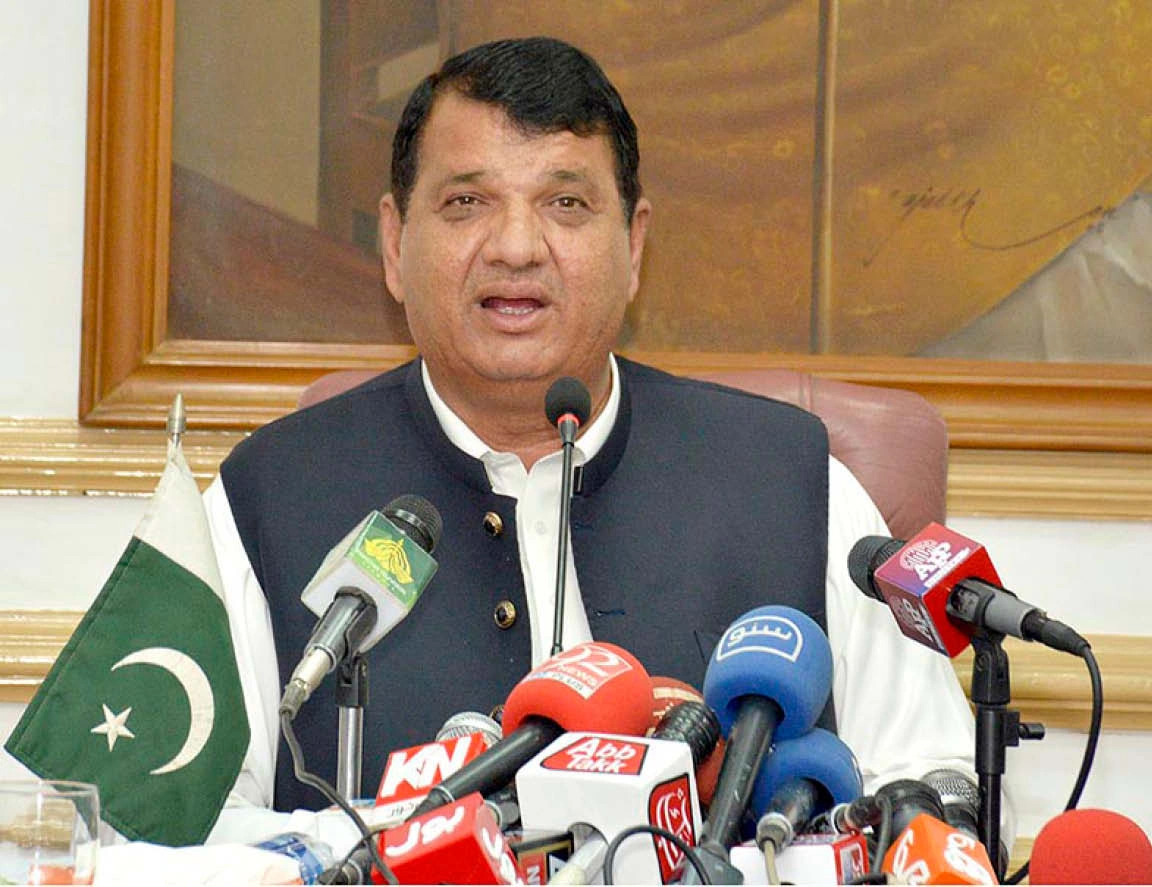
ISLAMABAD, Aug 4 (APP):Pakistan’s Minister for Kashmir Affairs and Gilgit-Baltistan, Engineer Amir Muqam, on Monday renewed Islamabad’s call for a UN-backed resolution of the Kashmir dispute, saying Pakistan would continue to observe August 5 as Youm-e-Istehsal (Day of Exploitation) to commemorate India’s 2019 decision to revoke the special constitutional status of Indian-administered Jammu and Kashmir.
Speaking at a joint press conference with All Parties Hurriyat Conference (APHC) spokesman Professor Ghulam Muhammad Safi, Muqam urged the international community to press India to implement United Nations Security Council resolutions by allowing the people of Jammu and Kashmir to exercise their right to self-determination through a plebiscite.
Muqam said India’s August 5, 2019, decision to abrogate Articles 370 and 35A of its Constitution removed the region’s autonomous status and constitutional safeguards that had previously restricted property ownership, voting rights and permanent residency for non-residents.
He alleged that the constitutional changes had been followed by a crackdown on Kashmiris, including the use of force against protesters, demolition of homes and the detention of political leaders. Pakistan, he said, would continue to raise these issues internationally while assuring Kashmiris of its political and diplomatic support.
The minister further said that India’s constitutional changes were intended to alter the demographic composition of the disputed territory. He said a peaceful and lasting settlement of the Kashmir dispute was essential for regional stability and maintained that the issue could only be resolved through a UN-supervised plebiscite.
Muqam said Pakistan observed August 5 every year not only to highlight what it described as the suffering of Kashmiris but also to remind the international community of its responsibility to seek a peaceful resolution of the decades-old dispute.
He said there was broad political consensus in Pakistan on the Kashmir issue, noting that the National Assembly, Senate, the legislative assemblies of Azad Jammu and Kashmir, Gilgit-Baltistan and the four provinces regularly adopted resolutions expressing solidarity with the people of Kashmir.
Referring to the history of the dispute, Muqam said Pakistan and India had fought wars over Kashmir and stressed that durable peace in South Asia remained linked to its resolution.
Speaking at the same press conference, APHC spokesman Professor Ghulam Muhammad Safi thanked Pakistan for its continued political and diplomatic support to the Kashmiri people.
Safi described Pakistan as an important party to the Kashmir dispute and said APHC leaders would participate in events across Pakistan to highlight the issue ahead of August 5. He reiterated the organisation’s demand for a UN-backed plebiscite, saying the people of Jammu and Kashmir should be allowed to determine whether they wished to join Pakistan or remain with India.
He also said that pro-Pakistan sentiment in Kashmir predated the creation of Pakistan in 1947 and argued that while elections had been held in Indian-administered Kashmir, the people had yet to be given the opportunity to decide their political future through a plebiscite.