ISLAMABAD, July 28 (APP): Prime Minister Muhammad Shehbaz Sharif, Tuesday, directed all relevant authorities to remain on high alert and ensure timely response measures in the ongoing monsoon season, by maintaining close coordination. He directed the National Disaster Management Authority (NDMA), Provincial Disaster Management Authorities (PDMAs) and provincial governments to maintain continuous coordination and remain fully prepared to deal with any emergency arising from the ongoing monsoon season. The prime …
ISLAMABAD, July 28 (APP): Prime Minister Muhammad Shehbaz Sharif, Tuesday, directed all relevant authorities to remain on high alert and ensure timely response measures in the ongoing monsoon season, by maintaining close coordination.
He directed the National Disaster Management Authority (NDMA), Provincial Disaster Management Authorities (PDMAs) and provincial governments to maintain continuous coordination and remain fully prepared to deal with any emergency arising from the ongoing monsoon season.
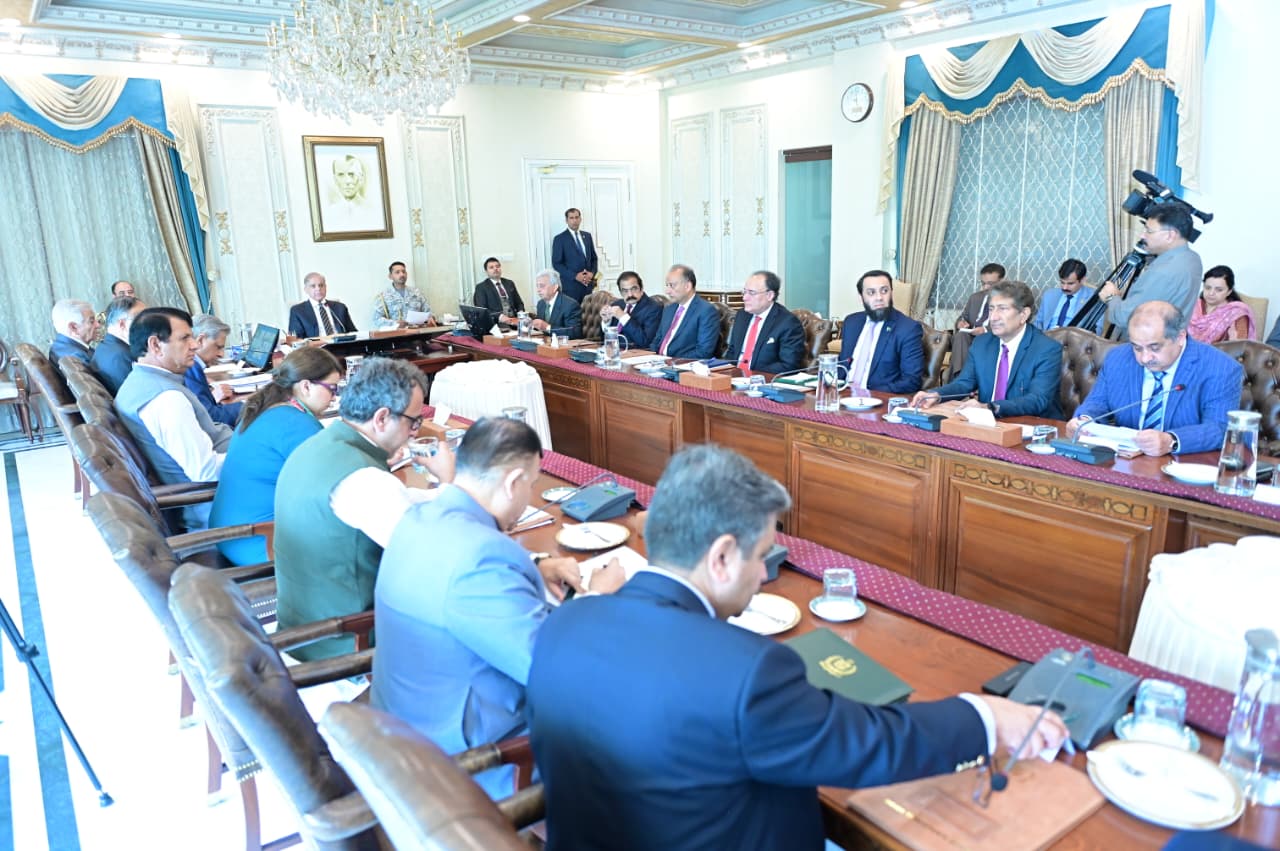
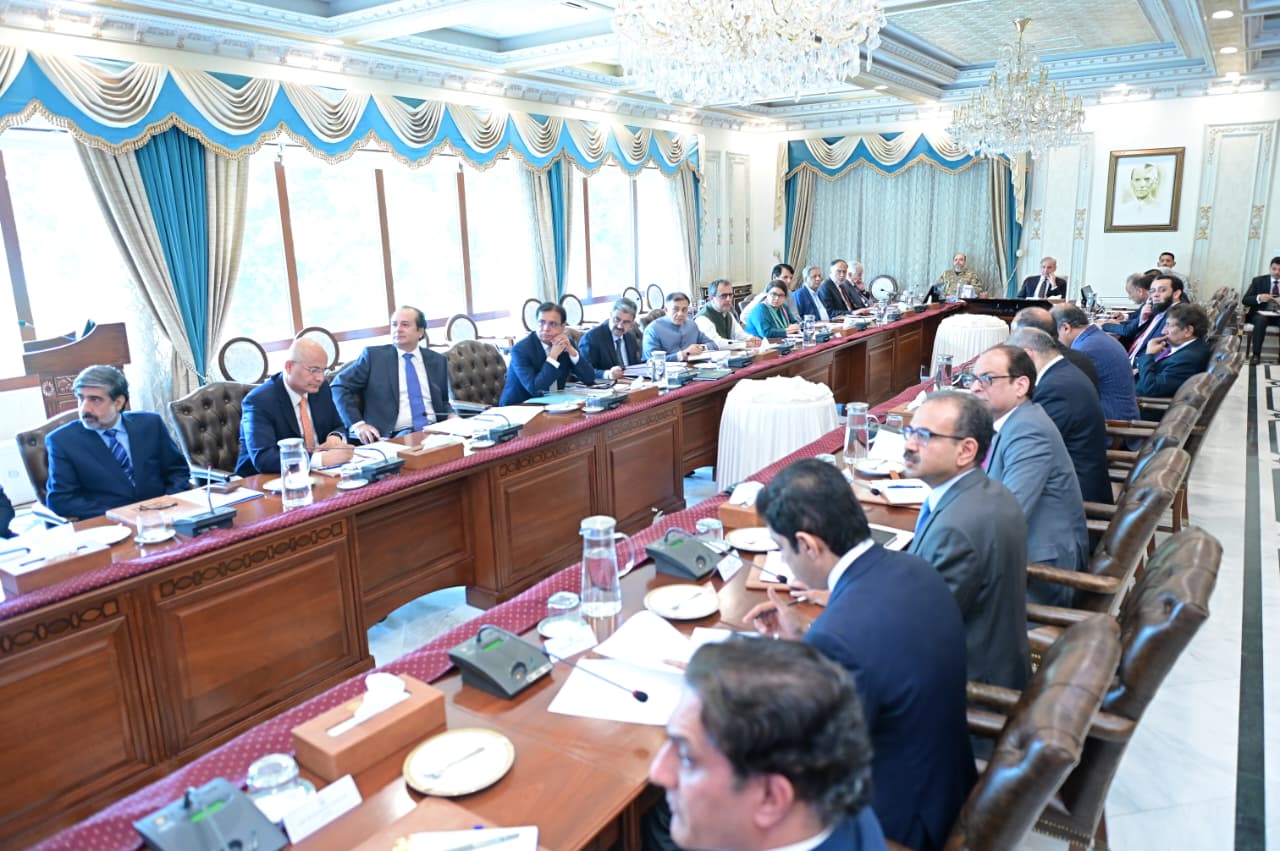
The prime minister chaired a high-level meeting to review the ongoing monsoon rains and the resulting flood situation across Pakistan, PM Office Media Wing said in a press release.
The meeting was attended by Ministers Khawaja Muhammad Asif, Ahsan Iqbal, Azam Nazeer Tarar, Dr. Musadik Malik, Rana Tanveer Hussain, Muhammad Aurangzeb, Engineer Amir Muqam, Attaullah Tarar, Shaza Fatima Khawaja, Sardar Awais Khan Leghari, Mian Muhammad Moeen Wattoo, Adviser to the PM Rana Sanaullah, NDMA Chairman Lieutenant General Inam Haider Malik, and other senior government officials.
The prime minister directed the NDMA to provide timely weather forecasts and updates on the monsoon situation to all the federal and provincial institutions.
He further asked Minister for Planning Ahsan Iqbal to chair the Flood Committee’s meetings on a daily basis to review the evolving situation and finalize response strategies.
Highlighting the risks in the country’s northern regions, Prime Minister Shehbaz Sharif ordered authorities to keep the early warning system for Glacial Lake Outburst Floods (GLOFs) and flash floods fully operational.
He observed that although Pakistan contributes only a minimal share to global greenhouse gas emissions, it remains among the countries most severely affected by the climate change.
The prime minister said the government is rapidly implementing short-, medium-term and long-term measures to mitigate the impacts of climate change.
He further directed the NDMA, in coordination with all relevant agencies, to ensure every possible effort is made to prevent loss of life and property during the current monsoon spell.
During the meeting, the NDMA and the chief secretaries of all four provinces, Gilgit-Baltistan, and Azad Jammu and Kashmir briefed participants on the latest monsoon situation, damage assessments, rescue operations, and rehabilitation efforts.
Officials informed the meeting that the NDMA was providing full assistance and resources to provincial governments to address flood-related challenges in the northern areas, as well as the ongoing severe heatwaves in Sindh and Balochistan.
The meeting was apprised that a major spell of monsoon rains was expected over the next two days in Azad Jammu and Kashmir, Gilgit-Baltistan and southern Sindh. Another significant monsoon spell is forecast to affect the country from the second week of September.
The officials said the Flood Committee established on the PM’s directives was meeting regularly, with all relevant departments closely monitoring the situation and coordinating rescue, relief, and rehabilitation efforts.
According to the briefing, the current monsoon spell had so far claimed 110 lives, 360 people injured, 796 houses were damaged, besides causing death of 376 livestock.
The meeting was further informed that the ongoing El Nino phenomenon had accelerated glacier melting in Pakistan’s northern regions, increasing the risk of GLOFs and flash floods over the coming month.
The authorities had identified vulnerable areas and were taking precautionary measures to minimize potential damage.
The meeting was further informed that immediate measures had been taken to control urban flooding in central Punjab, including Lahore. While some agricultural land had been inundated due to flooding in seasonal streams, drainage operations were continuing. In Dera Ghazi Khan and adjoining areas, the flood situation was currently under control.
The National Highway Authority (NHA) also briefed the meeting on road restoration efforts, saying that roads blocked at 106 locations due to landslides had been reopened through timely intervention.
The Ministry of Information Technology informed the meeting that the National Emergency Telecommunication Centre was fully operational. In emergencies, Rescue 1122 services could be accessed immediately through any mobile phone to provide prompt rescue and relief assistance.
The meeting was also informed that 700 sites had been identified across the country to store rainwater during the monsoon season, enabling its use for agricultural purposes during the dry season.
The prime minister appreciated the NDMA, PDMAs, provincial governments, and all relevant institutions for their advance preparedness, early warning systems, and ongoing rescue and relief operations during the current monsoon season.