Former President Iftikhar Ali Malik, SAARC Chamber of Commerce and Industry on Sunday said the real dividend of regional peace lies in expanding trade, attracting productive investment, and acquiring modern technology to enhance Pakistan’s global competitiveness.
Regional peace can unlock trade, investment and technology gains: Iftikhar Malik
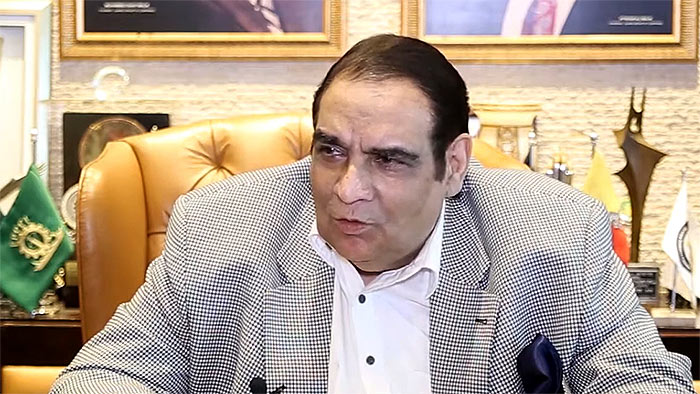
LAHORE, Jul 12 (APP): Former President Iftikhar Ali Malik, SAARC Chamber of Commerce and Industry on Sunday said the real dividend of regional peace lies in expanding trade, attracting productive investment, and acquiring modern technology to enhance Pakistan’s global competitiveness.
In a statement issued here, he said Pakistan could transform its improved international standing into sustainable economic growth and deeper regional integration by pursuing these opportunities alongside effective implementation of domestic reforms.
He said Iran, Türkiye and Saudi Arabia offered immediate opportunities for expanding economic cooperation, while China, the United States and Gulf countries would continue to remain key economic partners. The ongoing geopolitical transition, he added, had created exceptional prospects for strengthening ties with these countries.
Iftikhar Malik stressed that Pakistan should not measure diplomatic success solely by the amount of financial assistance it receives. Instead, he said, the country should gradually replace reliance on nearly $12 billion in friendly-country deposits supporting its foreign exchange reserves with partnerships based on trade expansion, productive investment in agriculture and industry, and the transfer of technology and managerial expertise.
He said all bilateral agreements should be backed by measurable milestones, regular monitoring and effective inter-agency coordination, with the prime minister personally reviewing implementation to ensure timely progress.
Referring to the recent visit of Iranian President Masoud Pezeshkian, he said both countries had agreed to increase bilateral trade from around $3 billion to $10 billion by 2028. Achieving this target, he said, would require close coordination between the Ministry of Commerce and the private sector to identify products in which Pakistan enjoys a comparative advantage.
He said Pakistan could significantly increase exports of rice, meat, textiles, surgical instruments, fruits and processed foods to Iran while importing raw materials and intermediate goods at competitive prices, paving the way for stronger bilateral economic cooperation.