Health Services Academy (HSA), in collaboration with the Pakistan One Health Alliance (POHA), here on Monday inaugurated a two-day consultative workshop titled “One Health Joint Action Planning and Regulatory Mechanism for ICT – Islamabad as a Model District” at the COMSTECH Secretariat.
Experts call for strong regulatory mechanisms to operationalize one health in Pakistan
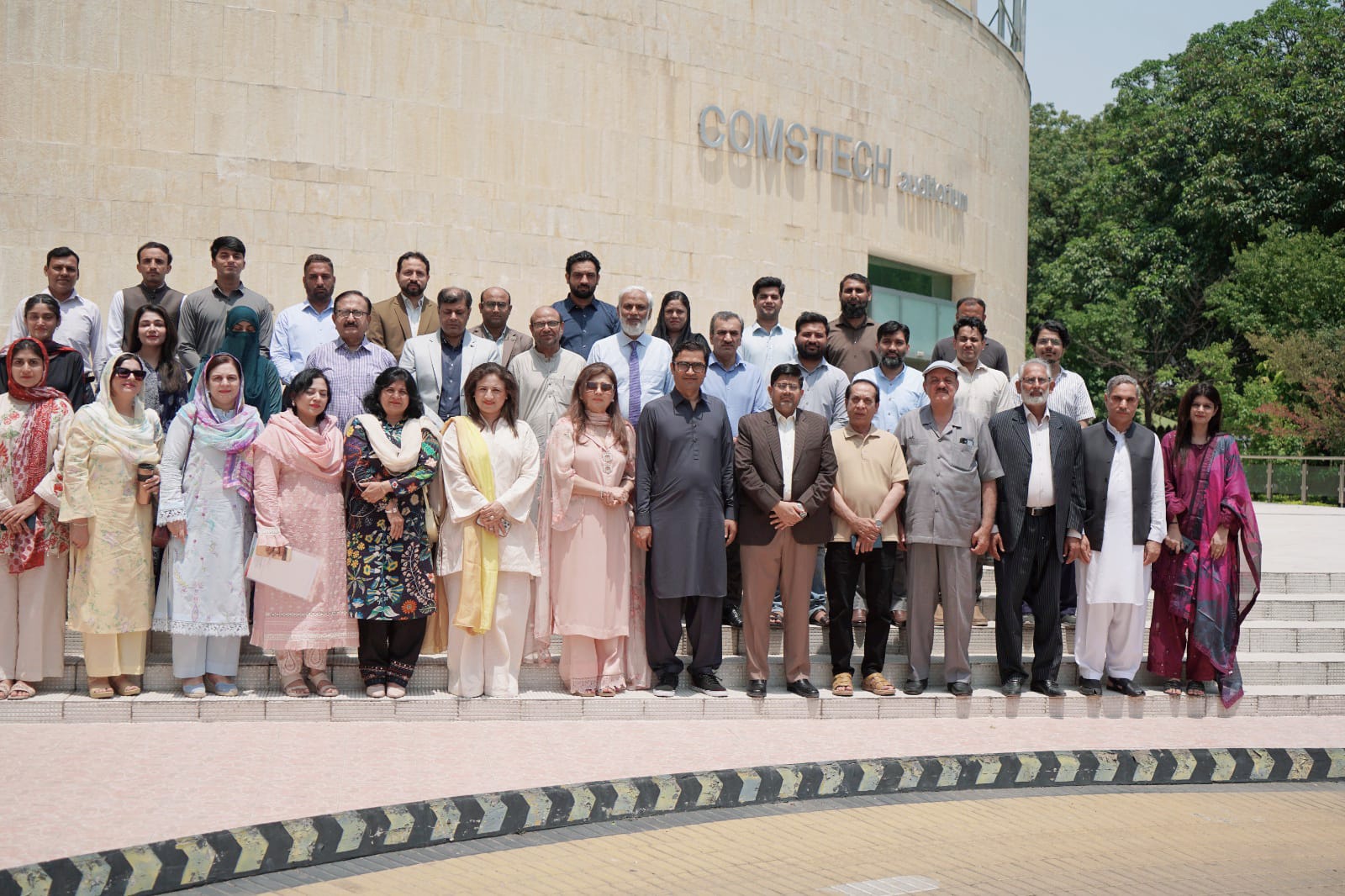
ISLAMABAD, Jun 29 (APP): Health Services Academy (HSA), in collaboration with the Pakistan One Health Alliance (POHA), here on Monday inaugurated a two-day consultative workshop titled “One Health Joint Action Planning and Regulatory Mechanism for ICT – Islamabad as a Model District” at the COMSTECH Secretariat.
The workshop brought together policymakers, public health experts, development partners, and representatives from key government institutions to develop an integrated framework for addressing emerging health threats through the One Health approach.
The inaugural session was chaired by Prof. Dr. Ramesh Kumar, Dean of Public Health, Health Services Academy. Addressing the participants, he emphasized that the One Health approach is no longer a choice but a necessity for safeguarding human, animal, and environmental health.
He highlighted the importance of establishing a sustainable coordination mechanism among all relevant sectors and expressed confidence that the workshop would result in a practical framework for multisectoral collaboration in Islamabad Capital Territory (ICT).
The workshop was attended by senior officials and experts, including the Director General (Health), AJK, the Dean of Public Health at Ayub Medical College, and representatives from the Food and Agriculture Organization (FAO), National Institute of Health (NIH), District Health Office (DHO-ICT), Capital Development Authority (CDA), Environmental Protection Agency (EPA), Wildlife Department, and relevant federal ministries. Experts from academia, public health, livestock, environmental, and development sectors also actively participated in the consultation.
Speaking on the occasion, Prof. Dr. Tariq Mahmood Ali, National Coordinator of the One Health Workforce Development (OHWD) Project, highlighted the significant progress achieved under the project and underscored the urgent need to develop a competent and resilient One Health workforce capable of responding effectively to pandemics, zoonotic diseases, antimicrobial resistance (AMR), and other public health emergencies. He noted that strengthening capacities at both policy and district levels is essential for enhancing Pakistan’s preparedness and health security.
Dr. S. M. Mursalin, CEO and Technical Lead of the OHWD Project at POHA, stressed the importance of operationalizing the One Health approach through stronger collaboration among the human, animal, and environmental health sectors. He emphasized that integrated governance and regulatory mechanisms are critical for addressing complex health challenges and ensuring a coordinated response to future threats.
Presenting the proposed framework for Islamabad as a Model District, Dr. Basharat Javed Khan of POHA outlined the key components of One Health Joint Action Planning, including integrated surveillance systems, evidence-based decision-making, coordinated response mechanisms, and regulatory frameworks necessary for effective implementation.
During the workshop, participants engaged in extensive technical discussions and group exercises, generating recommendations on institutional coordination, policy harmonization, regulatory arrangements, and implementation strategies for operationalizing the One Health approach in ICT.
Participants highly appreciated the initiative of HSA for bringing together diverse stakeholders on a common platform and agreed that sustained multisectoral collaboration is indispensable for strengthening national health security.
The participants unanimously emphasized that the successful implementation of the One Health approach would not be possible without an effective regulatory mechanism, clearly defined institutional responsibilities, and a coordinated joint action plan. They reiterated that strong governance and cross-sectoral coordination are essential to enhancing Pakistan’s preparedness for future pandemics, emerging infectious diseases, and other public health challenges.