
By Fakhar-e-Alam PESHAWAR, Jun 28 (APP):As families across Pakistan started arriving to explore the lush green valleys of Khyber Pakhtunkhwa during summer holidays, uncertainty surrounding the Indus Water Treaty (IWT) has begun to worry tourists, tour operators and local communities whose livelihoods largely depend on rivers, lakes and water parks. Experts urged the World Bank, the treaty's guarantor, to force India to uphold the 1960 treaty obligations, warning that prolonged …
IWT abeyance by India casts shadow over water parks in Khyber Pakhtunkhwa
By Fakhar-e-Alam
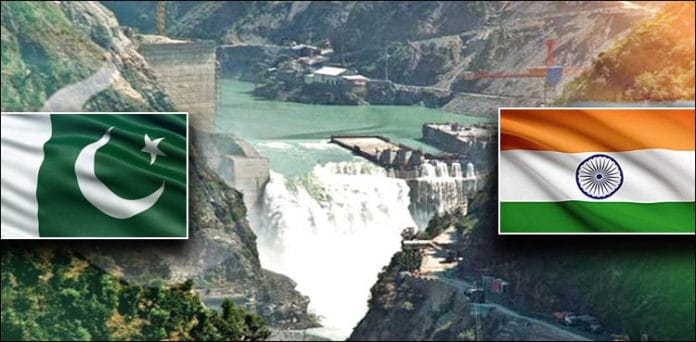
PESHAWAR, Jun 28 (APP):As families across Pakistan started arriving to explore the lush green valleys of Khyber Pakhtunkhwa during summer holidays, uncertainty surrounding the Indus Water Treaty (IWT) has begun to worry tourists, tour operators and local communities whose livelihoods largely depend on rivers, lakes and water parks.
Experts urged the World Bank, the treaty’s guarantor, to force India to uphold the 1960 treaty obligations, warning that prolonged uncertainty over water flows could have negative consequences for water tourism, environmental, economic and social security for downstream regions of Pakistan.
For thousands of families in Khyber Pakhtunkhwa and Azad Kashmir, water is more than a natural resource but a heartbeat of tourism, a source of livelihoods, and an adventure sports attraction that draws visitors from across Pakistan.
From the crystal-clear blue waters of fairytale Saiful Malook lake to the tranquil Lalusar lake to various water parks in KP and Azad Kashmir, the region has become one of Pakistan’s fastest-growing water tourism destinations.
However, tourism stakeholders feared that any prolonged disruption in natural river flows due to illegal abeyance of IWT by India could affect these water attractions, with serious implications for local businesses, hotels, transport services and adventure tourism.
While packing for a week-long family trip to Naran-Kaghan, Peshawar-based economist Sumbul Riaz recalled how annual visits to the region had become a cherished family tradition since her childhood.
“Every summer, my family and I travel to Naran-Kaghan to enjoy its breathtaking lakes, water parks and waterfalls emanating from tall mountains,” he told APP.
“There is something magical about sitting beside the flowing streams of Rivers Sindh and Kunhar, listening to the sound of waterfalls and breathing fresh mountain air. These awesome places give families memories that last a lifetime.”
Sumbul said Saiful Malook lake in Upper Kaghan valley remains one of her favourite destinations due to its oval shape and crystal clear water emanating from Malka Perbath.
“Surrounded by towering deodar forests and snow-covered peaks, the entire journey is an adventure. Every turn offers a new postcard-like view.”
Having visited Naran-Kaghan several times, he also praised its Ansu lake, which takes tourists over the moon.
“It is a perfect picnic destination for families. The peaceful atmosphere, cool breeze and natural beauty attract visitors from all over the country.”
Khanpor dam in Haripur is famous for water tourism and such facilities will be affected if violations of IWT continue by the fascist Modi regime.
Likewise, water sports at Kund park in Nowshera on bank of River Indus will be adversely affected if illegal abeyance of the treaty continues.
These dams, lakes and water parks are easily accessible and offers an excellent opportunities for sightseeing and adventure tourism. Hotels and guest houses nearby make it convenient for visitors.”
These water parks in Khyber Pakhtunkhwa and Azad Kashmir are hidden gems that continue to attract nature lovers during the hot summer months.
Before leaving for Swat, she expressed concern over the future of these natural attractions if IWT violations continued.
“If these rivers, water parks, lakes and waterfalls lose their natural flow, tourism will inevitably suffer, in KP and hundreds of thousands will be jobless with the reign of hunger and starvation,” he said.
“When there is no water, there is no tourism and employment.” According to her, thousands of families in KP earn their livelihoods through hotels, restaurants, transport services, boating, guiding, handicrafts and adventure tourism.
She said a reduction in tourist arrivals in Upper KP would directly affect local employment and household income, which would likely create human rights issues due to India’s illegal act.
Environmental observers maintained that the rivers flowing through northern KP support not only tourism but also biodiversity, freshwater ecosystems and drinking water supplies.
Healthy rivers sustained fish populations, forests and wildlife while supporting recreational activities such as rafting, boating, fishing and camping that have become increasingly popular among domestic tourists.
Communities across Mansehra, Batagram, Shangla and Kohistan and adjoining districts have invested heavily in tourism infrastructure over the past decade, making environmental sustainability increasingly important for local economic growth.
Senior lawyer Malik Ashfaq said that international agreements governing shared rivers should continue to function through established legal mechanisms.
“IWT has survived decades of conflict and wars because it established technical institutions capable of resolving disputes peacefully,” he told APP.
He said recent developments concerning the treaty have raised important legal and diplomatic questions that require engagement through internationally recognised dispute-resolution mechanisms.
“The World Bank and other relevant institutions have an important role in encouraging continued dialogue and adherence to treaty obligations,” he added.
According to Malik Ashfaq, confidence in international agreements depends on respecting established legal frameworks.
He said that India lost all legal grounds after historic judgment of International Court of Arbitration in favour of upholding IWT.
Professor Dr A. H Hilali, Chairman of the Department of Political Science at the University of Peshawar, said water security has direct implications for water tourism, agriculture, food production, environmental sustainability and energy sectors.
“Water is central to Pakistan’s economy and to the livelihoods of millions of people,” he said.
He said that uncertainty over transboundary water management could affect sectors ranging from farming and hydropower to eco-tourism if left unresolved.
“Dialogue, international law and peaceful engagement remain essential for addressing water-related challenges between neighbouring countries,” he said.
Tourism officials estimated that every summer thousands of visitors travel to Khyber Pakhtunkhwa and Azad Kashmir’s valleys, supporting hotels, restaurants, transport operators, campsite owners, guides, photographers and local artisans.
For many families in Khyber Pakhtunkhwa, the tourism season provides income that supports their families to live with dignity throughout the year.
As children splash in icy streams of Kaghan and families enjoying boats rides in Saiful Malook lake, residents hope continue water will help enhance the beauty of these water facilities and landscapes.
Whether admired from the shores of Ansu Lake, the emerald waters of Saiful Malook and Lalusar lakes, or the roaring cascades of waterfalls, the region’s waterways remain the defining feature of KP’s tourism identity.
For visitors like Sumbul Riaz, the appeal is simple that people come here because nature is alive due to water flow, urging World Bank to step in and take action against RSS backed Hinduvata regime that threatens peace of South Asia.
She said protecting these western rivers means protecting the livelihoods and future of millions of people of Khyber Pakhtunkhwa and Azad Kashmir.

