By Fakhar-e-Alam PESHAWAR, Jun 26 (APP):The martyrdom of Imam Hussain ibn Ali (RA), the beloved grandson of the Holy Prophet Muhammad (PBUH), alongwith members of his family and devoted companions at plains of Karbala for supremacy of Islam, remained one of the most profound and defining events in Islamic history. The matchless sacrifice of Hazrat Imam Hussain (RA) and his devoted family as well as loyal companions continued to inspire …
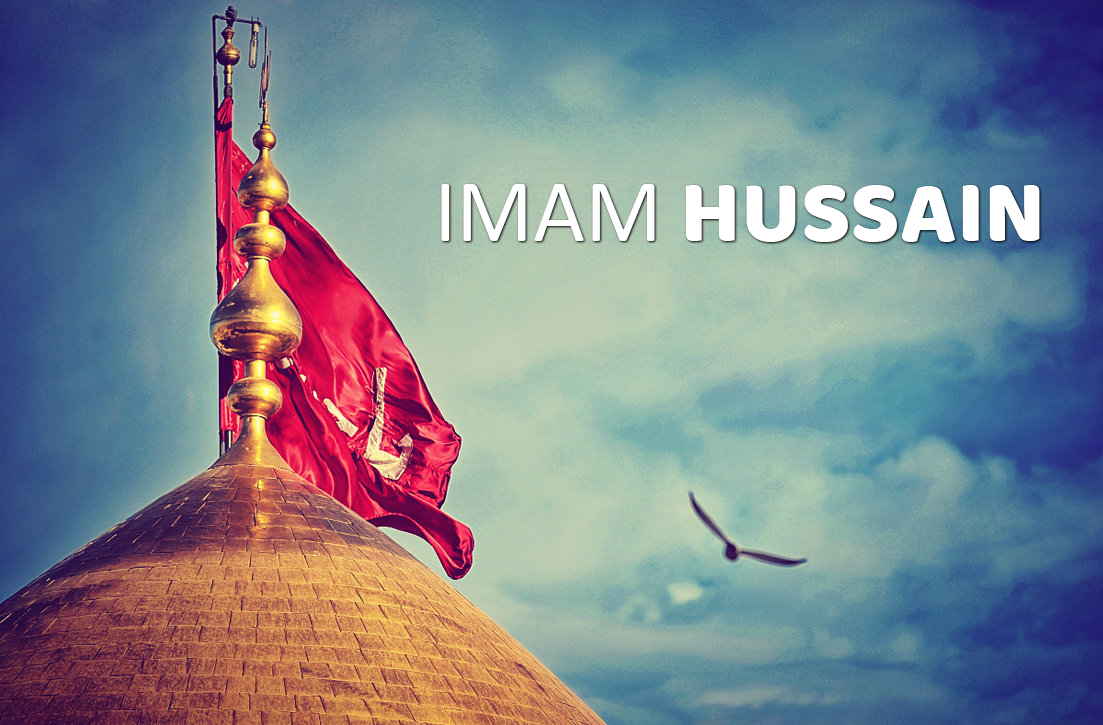
Martyrdom of Imam Hussain (RA): An enduring legacy of sacrifice, resistance to tyranny
By Fakhar-e-Alam
PESHAWAR, Jun 26 (APP):The martyrdom of Imam Hussain ibn Ali (RA), the beloved grandson of the Holy Prophet Muhammad (PBUH), alongwith members of his family and devoted companions at plains of Karbala for supremacy of Islam, remained one of the most profound and defining events in Islamic history.
The matchless sacrifice of Hazrat Imam Hussain (RA) and his devoted family as well as loyal companions continued to inspire Muslims across the world with the timeless values of faith, justice, patience, and steadfastness in the face of oppression.
Each year, millions of Muslims commemorate the tragedy of Karbala during the sacred month of Muharram, particularly on the 10th day, known as Ashura.
Mammoth mourning processions, prayers, charitable activities, and religious sermons were organized in many countries including Pakistan to honour the unparalleled sacrifice of Hazrat Imam Husaain (RA) and other martyrs of Karbala made in the cause of truth, justice, and righteousness.
The tragic event of Karbala took place on the 10th of Muharram in 61 AH (680 CE), when Imam Hussain (RA) refused to pledge allegiance to the tyrant Umayyad ruler Yazid, whom he believed represented injustice cruelty and deviation from the principles of Islamic governance system established by the Holy Prophet (PBUH), said Professor Dr Abdul Ghafoor, former Dean at Sheikh Zayed Islamic Centre at University of Peshawar.
Talking to APP, while in Makkah, Imam Hussain (RA) learned about the enemy’s nefarious planed to kill him within the sacred premises of the holy Kaaba.
To preserve the sanctity of the Holy Kaaba, he departed for Kufa in present-day Iraq immediately after receiving numerous invitations from its people, who sought his leadership and guidance.
Accompanied by members of his family and loyal companions, including women and children, he set out on a difficult journey that would become a defining chapter in Islamic history.
Before reaching Kufa, Imam Hussain’s caravan was intercepted by forces under the command of Hur ibn Yazid and was compelled to camp on the plains of Karbala near the River Euphrates.
Soon afterward, Imam Hussain (RA) caravan was denied access to the river, depriving his camp of water despite the presence of children, women, and elderly family members.
For several days, Imam Hussain and his family members as well as companions endured extreme thirst under the scorching desert sun at Karbala. Historical accounts described the suffering of the children and the desperate appeals made by Imam Hussain (RA) for water to them, appeals that went unanswered.
On the 10th of Muharram, the followers of Imam Hussain (RA) displayed extraordinary courage and devotion. One after another, his companions and relatives sacrificed their lives in defense of justice, islamic principles and their loyalty to Islam.
Among the most memorable figures was Hazrat Abbas ibn Ali (RA), renowned for his bravery and loyalty. Attempting to fetch water for the thirsty children, particularly his young niece Hazrat Sakina (RA), he reached the Euphrates river but was martyred before returning to the camp. His sacrifice remained a powerful symbol of loyalty and unwavering devotion.
Dr. Ghafoor said the tragedy deepened with the martyrdom of Imam Hussain’s six-month-old son, Hazrat Ali Asghar (RA), who was martyred while his father sought water for the infant.
After all his companions and family members capable of resisting had embraced martyrdom, Imam Hussain (RA) stood alone at Karbala. He reminded the opposing army of his close relationship with the Holy Prophet Muhammad (PBUH), his commitment to preserving the holy Prophet (PBUH)’s Sunnah, and his desire to prevent bloodshed. Despite his repeated appeals, the demands for unconditional submission continued.
Choosing principle over compromise, Imam Hussain (RA) refused to surrender to injustice and oppression. He fought with unmatched courage until he attained martyrdom, leaving behind a legacy that has transcended centuries and geographical boundaries.
The tragedy of Karbala also highlighted the remarkable role of the women of the holy Prophet (PBUH)’s household.
Following Karbala tragedy, Hazrat Zainab bint Ali (RA), sister of Imam Hussain (RA), was made prisoner and was moved to different cities. She delivered courageous speeches before the courts of tyrant Yazid at Kufa and Damascus, fearlessly defending the truth and preserving the message of Karbala for future generations.
Today, Karbala in Iraq stood among the world’s most significant pilgrimage destinations, where millions of devotees gather annually to pay tribute to Imam Hussain (RA) and his devoted companions.
His shrine served as a symbol of spiritual resilience, sacrifice, and unwavering commitment to justice, equality, empathy and standing for Islam.
Islamic scholars from different schools of thought regard Karbala as a lasting reminder that believers must uphold truth, justice, compassion, and moral integrity, even in the face of adversity.
Dr. Ghafoor emphasized that Imam Hussain’ (RA)’s sacrifice reaffirmed the Islamic principles of accountability, dignity, and resistance to tyranny.
He observed that Imam Hussain (RA) did not seek personal power but sought to revive the moral foundations of Islamic society by confronting injustice and oppression.
According to him, the tragic events of Karbala provided a practical demonstration of justice, human dignity, and steadfastness, inspiring generations to stand against tyranny.
Meanwhile, Khyber Pakhtunkhwa Chief Minister, Muhammad Sohail Afridi said the historic sad event of Karbala represented a definitive battle between truth and falsehood.
In his message for 10th Ashura Moharram, he said that matcless sacrifice made by Hazrat Imam Hussain (RA) was meant to uphold the glory of Islam.
He described Hazrat Imam Hussain (RA) was a leader of par excellence with numerous qualities such as justice and honesty besides stood firmly against oppression and tyrannical policies.
Sihail Afridi said that by embodying this same spirit of patience and steadfastness, Muslims today could overcome exploitation, counter injustice, terrorism and work toward a more peaceful and stable society instead of becoming divided by internal differences.
Khyber Pakhtunkhwa Governor Faisal Karim Kundi also paid glowing tributes to Hazrat Imam Hussain (RA) and other martyrs of Karbala for supremacy of Islam.
The Governor said the message of Karbala continued to resonate across the Muslim world and beyond.
He said Imam Hussain’s (RA) sacrifice remained a universal symbol of courage, faith, patience, and the enduring struggle for justice, reminding humanity that truth and righteousness ultimately prevail over oppression.