The National Assembly on Monday approved four demands for grants amounting to Rs.74,354,334,000 for the Ministry of Interior after rejecting 123 cut motions moved by opposition lawmakers.
NA approves Rs.74.35bln in grant demands for Ministry of Interior
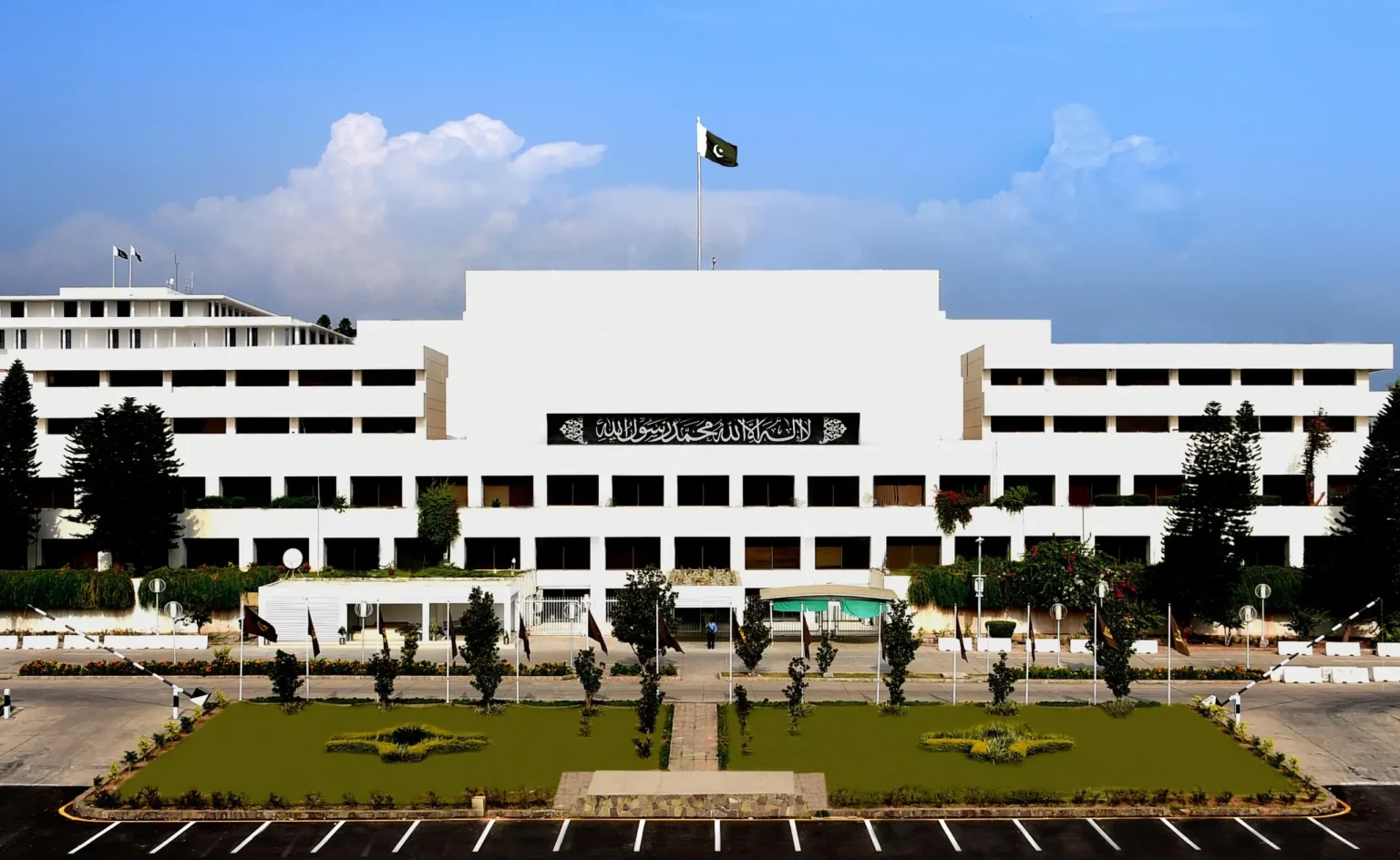
ISLAMABAD, Jun 22 (APP):The National Assembly on Monday approved four demands for grants amounting to Rs.74,354,334,000 for the Ministry of Interior after rejecting 123 cut motions moved by opposition lawmakers.
The demands for grants were presented by Minister for Finance and Revenue Senator Muhammad Aurangzeb to meet expenditures for the financial year 2026-27.
The approved grants included Rs26,651,923,000 for the Interior and Narcotics Control Division, Rs23,125,142,000 for Other Expenditure of the Interior and Narcotics Control Division, Rs23,221,446,000 for the Islamabad Capital Territory, and Rs1,355,823,000 for the National Counter Terrorism Authority (NACTA).
Responding to various points raised by opposition lawmakers, State Minister for Interior and Narcotics Control said that Interior Ministry and its attached departments play a key role in ensuring border security, internal stability, immigration control, counter-narcotics operations, NADRA services, passport issuance, and the protection of strategic national assets, including dams and other critical installations.
He said the ministry oversees around eight major institutions working in different capacities under different uniforms but with a shared responsibility of safeguarding Pakistan’s internal security.
He added that these institutions have collectively rendered significant sacrifices, with thousands of personnel embracing martyrdom while performing duties ranging from counterterrorism to anti-smuggling and anti-narcotics operations.
He said Pakistan’s counter-narcotics and security agencies continue to operate under limited resources, noting that the ministry currently has 3,192 personnel and operates 33 police stations across the country.
Despite these constraints, he said, the units remain integrated with the broader policing system nationwide.
Talal Chaudhry said that in the past year, the Interior Ministry has undergone reforms and restructuring, including the establishment of new institutions through parliamentary legislation.
These include the National Forensics Agency, the National Cyber Crime Investigation Agency, the Federal Criminal Prosecution Service, the Pakistan Land Record Authority, and bodies related to social media regulation.
He further said the government has signed more than 70 international agreements during the past year, covering extradition of accused persons, mutual legal assistance, and passport-related cooperation, which he said have directly benefited citizens and passport holders.
Referring to narcotics control, he said that since the 18th Constitutional Amendment, the subject largely falls under provincial jurisdiction.
He questioned the performance of some provinces in fulfilling their responsibilities, noting that only two provinces have taken significant steps in establishing dedicated counter-narcotics forces.
He added that despite limited manpower and resources, federal agencies have made narcotics and contraband seizures worth approximately $20 billion over the past year, while provincial authorities have also made recoveries in various operations.
Criticising past governance, he said the ministry had been taken over in a weakened state in earlier administrations, contrasting it with ongoing reforms and institutional strengthening under the current government.
He said strict monitoring measures have been introduced to curb drug smuggling during Hajj operations, adding that such incidents had previously brought disrepute to the country.
He said no such case has been reported in the past two years due to improved screening and enforcement at airports.
He said enhanced coordination among airports, border security agencies, and anti-narcotics units has significantly strengthened surveillance mechanisms.
The minister added that Pakistan has improved regional cooperation in counter-narcotics efforts, noting that a major regional conference was held in which directors general of anti-narcotics agencies from Arab countries participated, improving intelligence sharing and coordination.
He said Pakistan continues to face cross-border terrorism challenges, with militant groups operating from across the border in Afghanistan, making elimination of the threat difficult without coordinated efforts.
He stressed that counterterrorism is a collective national responsibility and cannot be achieved by the federal government alone.
He said provincial governments and security institutions must work in close coordination to strengthen operational capacity and intelligence sharing.
He added that while some provinces have invested in modern policing tools such as forensic laboratories, CTD units, and safe city projects, others still lag behind.
Referring to past performance, he said terrorism declined significantly in 2016–17 when there was broader political consensus and institutional coordination.
He urged political parties to avoid politicizing national security issues and instead support security forces with a unified national narrative.
Talal Chaudhry said the federal government has strengthened internal accountability within key institutions, including the Federal Investigation Agency (FIA), where over 250 officials were removed or proceeded against in criminal cases as part of reforms.
He said illegal migration has declined by around 47 percent over the past two years, according to international assessments, which also improved Pakistan’s passport reputation and reduced human trafficking incidents.
He added that a digital case management system is being introduced to track investigations from registration to court proceedings, aiming to improve transparency and efficiency.
He said profiling mechanisms for first-time travellers have also been introduced to prevent misuse of travel documents and strengthen border management.
He said a new software-based system has been developed to streamline operations within the Interior Ministry and its attached departments, which he would present before the House in detail later.
He said the newly established National Cyber Crime Investigation Agency, with around 400 personnel, handled 72,400 complaints, verified 32,146 cases, conducted inquiries in 10,356 matters, registered 637 cases, and arrested 689 individuals involved in cyber offences.
He said these included individuals involved in misinformation campaigns, attacks on state institutions, and financial fraud, including call-centre scams involving local and foreign nationals.
He said Pakistan has also made progress in improving passport security and global mobility, with its passport ranking improving from between 130 and 140 to below 100 during the current government’s tenure, according to international assessments.
He said this improvement is linked to reforms in immigration laws, enhanced security features, and stricter action against illegal migration.
He added that visa facilitation agreements have been expanded with several countries, including European partners.
Referring to infrastructure development, he said multiple projects under Islamabad Capital Territory and the CDA have been accelerated, including flyovers and road networks completed in record time.
He also mentioned plans for a model prison in Islamabad with improved facilities and separate arrangements for women, juveniles, and other categories of inmates in line with international standards.
He said overall improvements in Islamabad reflect progress, citing reductions in kidnapping, robbery, and vehicle theft.
He added that Islamabad is being developed as Pakistan’s first fully smart and safe city through integrated e-governance systems linking municipal services, traffic management, and public utilities.