ISLAMABAD, Jun 18 (APP):Experts on Thursday cautioned that an uncertain monsoon pattern could pose risks to Pakistan’s agricultural sector and broader economic stability, emphasising the need for proactive planning and climate risk management. The views were expressed during a policy dialogue hosted by the Pakistan Institute of Development Economics (PIDE), which brought together experts from academia, government institutions and development organisations to deliberate on climate risks and agricultural output. Speaking …
PIDE warns uncertain monsoon may pose risks to economy
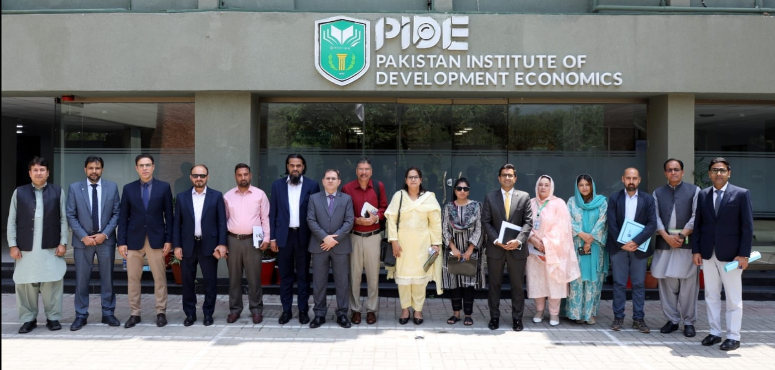
ISLAMABAD, Jun 18 (APP):Experts on Thursday cautioned that an uncertain monsoon pattern could pose risks to Pakistan’s agricultural sector and broader economic stability, emphasising the need for proactive planning and climate risk management.
The views were expressed during a policy dialogue hosted by the Pakistan Institute of Development Economics (PIDE), which brought together experts from academia, government institutions and development organisations to deliberate on climate risks and agricultural output.
Speaking on the occasion, PIDE Registrar Dr Nasir Iqbal said climate change had emerged as a cross-cutting economic challenge, affecting productivity, inflation, employment and growth.
He observed that disruptions in monsoon patterns could have wide-ranging implications for agriculture-dependent livelihoods and economic resilience.
Highlighting the sector’s importance, he noted that agriculture contributes over 23 per cent to the national economy and employs a significant share of the workforce, yet remains highly exposed to climate variability.
He stressed the need to shift from reactive disaster response to a more integrated risk management approach, focusing on resilience and preparedness.
Dr Inayat Ullah, Chief of Research and Director at PIDE’s Centre for Agriculture, Climate Change and Rural Economy (CACCRE), presented key findings from a recent assessment covering multiple districts and agro-ecological zones.
He noted that rising temperatures and changing rainfall patterns were particularly affecting rain-fed and southern irrigated regions, including parts of southern Punjab and interior Sindh.
He said these regions frequently appeared at the intersection of climate vulnerability, food security importance and structural challenges, underscoring the need for targeted interventions and coordinated support mechanisms.
Dr Faisal Saeed, Chief Meteorologist at the Pakistan Meteorological Department, shared that seasonal outlooks indicated above-normal temperatures and the possibility of below-average rainfall.
However, he cautioned that lower rainfall did not rule out extreme weather events such as intense downpours and flash floods, calling for improved dissemination of localized, crop-specific advisories.
Representing the National Disaster Management Authority, Dr Kamal Ahmed, Executive Director Risk Finance, highlighted that economic losses from climate events were rising due to gaps in preparedness, land-use planning and infrastructure resilience.
He highlighted the importance of linking early-warning systems with timely and effective response mechanisms.
Experts also pointed to a significant gap in adaptation financing and stressed the importance of enhancing investment in resilience-building initiatives, including agricultural insurance and greater private-sector participation.
Dr Mohsin Kiani, Livestock Specialist at the Planning Commission, noted that the livestock sector, which contributes a major share to agricultural value addition, remained vulnerable to heat stress, disease and flooding.
He suggested the adoption of climate-smart feeding practices and expansion of insurance coverage to protect farmers’ assets and improve productivity.
Dr Maryam Jalal of NUTECH proposed the development of an integrated data platform combining meteorological, agricultural and disaster-risk information to support informed decision-making. She emphasized the role of technology in improving efficiency and resilience in farming systems.
Meanwhile, Dr Imran Lodhi of Ghazi University highlighted the importance of behavioural insights in shaping farmers’ responses to climate risks, stressing that effective communication and trust-building were essential for adopting adaptive practices.
The participants agreed on the need for strengthening institutional coordination, promoting research and innovation, and ensuring effective implementation of policies at all levels. They underscored that timely investment and informed local action could help mitigate the impact of climate-related risks on the economy.
The dialogue concluded with a consensus that enhancing preparedness, improving resource management and leveraging technology would be critical to safeguarding agricultural productivity and supporting sustainable economic growth in the face of evolving climate challenges.