Lumpy skin disease
Lumpy skin disease cases reportedly rising in Sargodha, farmers express concern over vaccine shortage
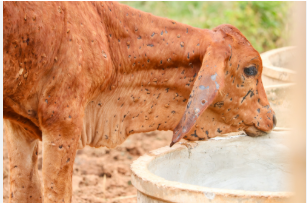
SARGODHA, Jun 17 (APP):The incidence of Lumpy Skin Disease (LSD) among livestock, particularly cattle and buffaloes, is reportedly increasing across various parts of District Sargodha, raising concern among livestock farmers, dairy farm owners and stakeholders in the livestock sector.
According to information gathered through surveillance and multiple local sources, affected areas include 92 NB, Behak Mekan, 87 NB, 91 NB, 107 NB, 104 NB, Dera Jada, Kundan Shahpur, 66 NB, 40 NB and Mathalak.
Local livestock farmers have expressed concern that the number of affected animals is rising steadily, with fears that the disease may spread to additional areas if timely preventive measures are not taken. They further claimed that while official departmental records show around 10 to 12 cases, ground realities suggest a significantly higher number of infected animals.
Farmers and dairy farm owners have also complained about the alleged non-availability of vaccine at the official level, stating that the delay has worsened the situation. They said timely vaccination could have helped control the spread of the disease and protected valuable livestock assets.
In the absence of government-level vaccine supply, several farmers are reportedly relying on private treatment and traditional remedies to manage affected animals.
Sources and affected individuals further alleged that the Livestock Department is not taking adequate measures regarding disease surveillance, vaccination, field monitoring and awareness campaigns.
They said the situation has caused growing frustration among livestock owners, who are demanding immediate action and improved departmental response to control the outbreak.
Stakeholders have called for a comprehensive district-wide survey to assess the actual extent of the disease, ensure accurate reporting of cases, expedite vaccine availability, strengthen field monitoring teams, and launch effective awareness and preventive campaigns.
They stressed that timely intervention is essential to prevent further spread of the disease and minimize potential economic losses to the livestock sector.