ISLAMABAD, Jun 16 (APP):The Members of the National Assembly (MNAs) Tuesday called for people-centric economic policies, structural reforms and enhanced public welfare measures during the ongoing budget debate, while also highlighting national security concerns and economic challenges confronting the country. Participating in the debate, Pakistan Peoples Party Parliamentarians (PPPP) lawmaker Abdul Qadir Patel praised the political and military leadership for strengthening Pakistan’s position at both regional and international levels. He …
MNAs urge people-centric economic policies, governance reforms
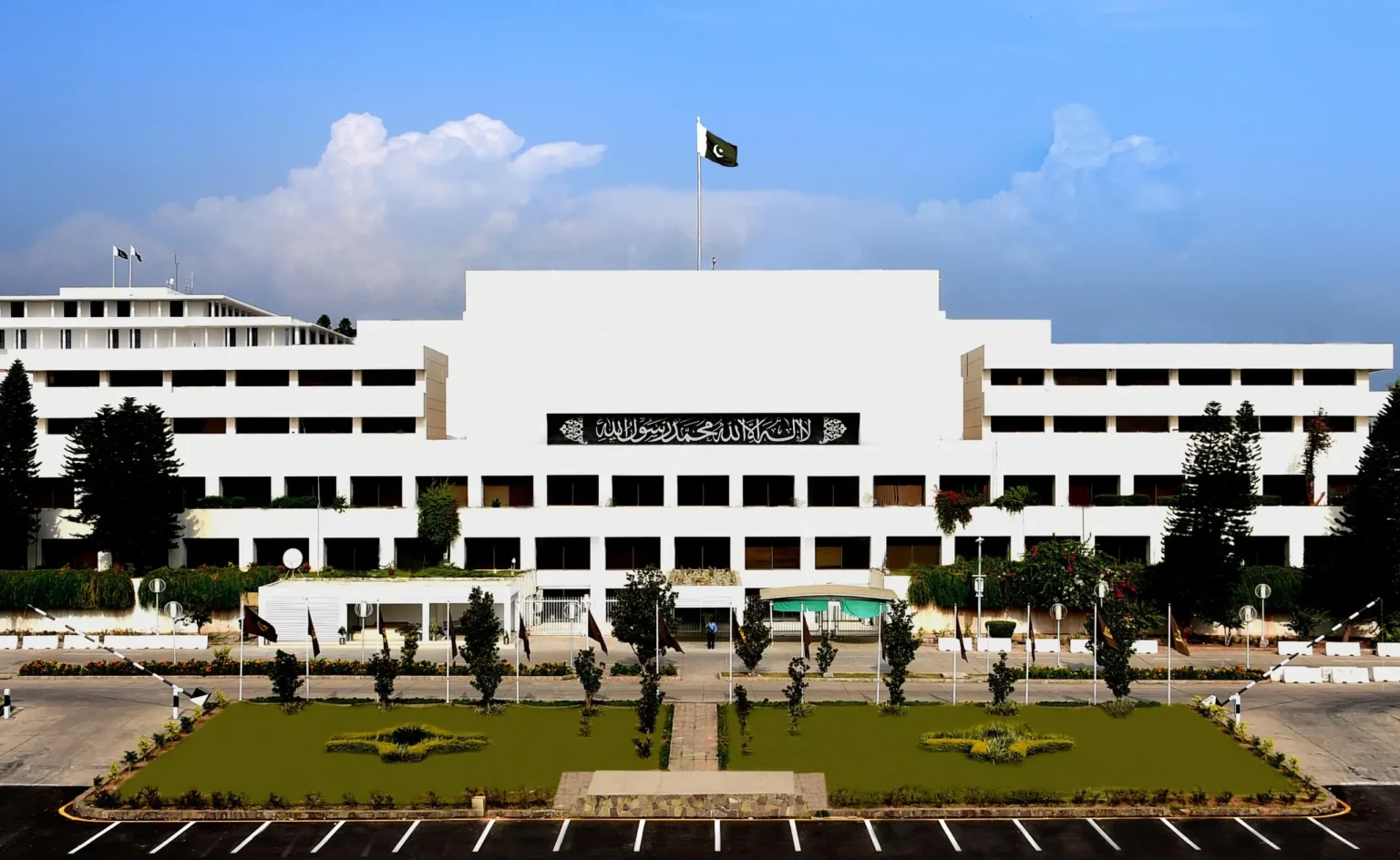
ISLAMABAD, Jun 16 (APP):The Members of the National Assembly (MNAs) Tuesday called for people-centric economic policies, structural reforms and enhanced public welfare measures during the ongoing budget debate, while also highlighting national security concerns and economic challenges confronting the country.
Participating in the debate, Pakistan Peoples Party Parliamentarians (PPPP) lawmaker Abdul Qadir Patel praised the political and military leadership for strengthening Pakistan’s position at both regional and international levels.
He said opposition parties were being provided ample opportunity to express their views during the budget session, recalling parliamentary traditions of previous assemblies.
Referring to recent regional developments, Patel commended the efforts of the country’s leadership in safeguarding national interests and enhancing Pakistan’s international standing.
He acknowledged the role of state institutions in navigating difficult circumstances and said their contributions deserved recognition.
He also appreciated cooperation among political stakeholders in advancing budgetary matters without triggering constitutional or inter-provincial disputes.
Paying tribute to President Asif Ali Zardari and PPP Chairman Bilawal Bhutto Zardari, he said the party had consistently placed national interests above political considerations.
Addressing economic issues, he stressed that macroeconomic indicators and fiscal targets should translate into tangible relief for ordinary citizens.
The true success of economic policies, he argued, should be measured by improvements in access to food, education, employment, electricity and other essential services.
Patel expressed concern over the burden of indirect taxation on low-income groups, saying that a significant portion of government revenue was generated through levies and consumption taxes.
He urged the government to reconsider the proposed salary increase for public sector employees and provide greater relief in light of persistent inflationary pressures.
The legislator also called for a review of taxes on solar energy equipment, expansion of fixed-tax mechanisms for small businesses and protection of social welfare initiatives such as the Benazir Income Support Programme (BISP).
Describing BISP as a globally recognized social protection programme, he said it had empowered millions of deserving women and should remain free from political influence.
He also emphasized that policy-related matters should be addressed by elected representatives and ministers rather than bureaucrats through media statements.
Pakistan Tehreek-e-Insaf (PTI) MNA Junaid Akbar Khan criticized the government’s economic performance and taxation policies, questioning whether the country’s modest economic growth rate was sufficient to improve living standards and address public concerns.
He expressed doubts about the government’s ambitious revenue collection targets, arguing that they would be difficult to achieve without significant growth in exports, investment and business activity.
Junaid Akbar also urged the government to fulfill its commitments regarding the development of the erstwhile Federally Administered Tribal Areas (FATA) and allocate greater resources for the region’s uplift.
PTI lawmaker Muhammad Atif Khan said that annual budgets often involved only marginal adjustments in allocations and targets while the living conditions of ordinary citizens remained largely unchanged.
Atif Khan said that economic progress should not be assessed solely through statistical indicators, as many citizens continued to face financial hardship.
He alleged that prevailing economic policies primarily benefited a small elite segment while failing to improve the welfare of the broader population.
The lawmaker further emphasized that political stability was essential for economic recovery and maintained that sustainable stability could only emerge through a political process reflecting the public mandate.
Muhammad Sanaullah Khan Mastikhel highlighted rising inflation, unemployment and declining purchasing power, which he said had severely affected ordinary citizens, particularly the youth.
Mastikhel also criticized agricultural policies, alleging that farmers were struggling with low crop procurement prices and rising input costs, especially fertilizers.
PPPP lawmaker Sehar Kamran underscored the importance of adequate funding for defence amid Pakistan’s internal and external security challenges. Noting that approximately Rs3 trillion had been allocated for defence in the budget, she paid tribute to the armed forces and the sacrifices of martyrs, describing national security as the country’s foremost priority.
However, she stressed that economic and social security for citizens must receive equal attention in line with constitutional guarantees.
Sehar Kamran said that insufficient allocations for education, healthcare, employment and social development, attributing fiscal constraints to weak revenue generation by the Federal Board of Revenue (FBR).
She pointed to an FBR revenue shortfall of Rs28 billion in May and called for greater accountability and performance evaluation within the tax administration.
Discussing petroleum pricing, Sehar Kamran said additional levies, including the carbon tax and petroleum development surcharge, had increased fuel costs and contributed to higher transportation fares and commodity prices.
She proposed significant salary increases for government employees, including the introduction of a higher minimum pay benchmark and called for stronger relief measures to offset inflationary pressures.
Sehar Kamran said that the agriculture is the backbone of the national economy, but it was facing serious challenges due to policy shortcomings.
The legislator said that agricultural growth had fallen below targets, while production of major crops such as wheat, rice and maize had declined.
She also voiced concern over inadequate investment in agricultural research, irrigation infrastructure and modern farming technologies, adding that farmers were grappling with rising fertilizer prices and persistent water shortages.