A total of 174 Pakistani fish processing plants have been enlisted with China, expanding market access for the country’s fisheries sector and strengthening trade links with one of Pakistan’s largest export destinations.
174 Pakistani fish processing plants enlisted with China for exports
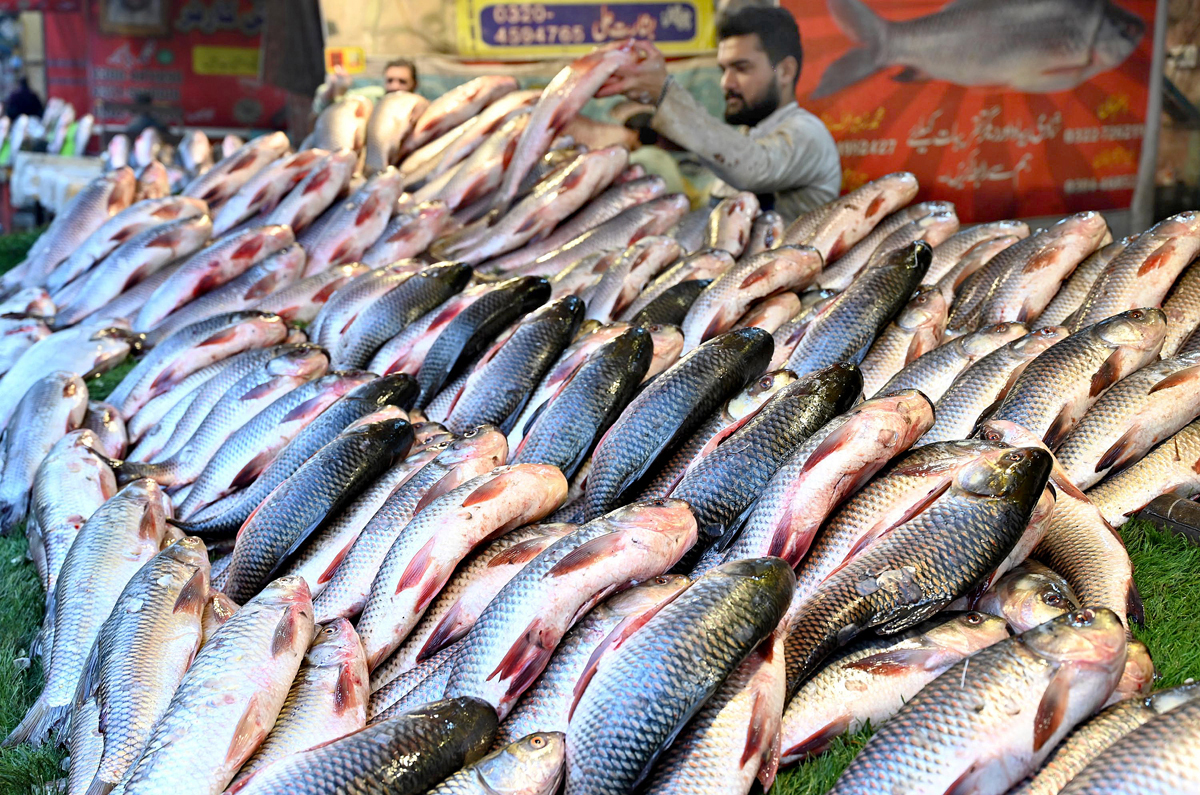
ISLAMABAD, Jun 15 (APP):A total of 174 Pakistani fish processing plants have been enlisted with China, expanding market access for the country’s fisheries sector and strengthening trade links with one of Pakistan’s largest export destinations.
According to official documents available with Wealth Pakistan, China has emerged as an increasingly important market for Pakistani seafood products as bilateral agricultural and food trade continues to grow.
The enlistment of 174 fish processing plants with the General Administration of Customs of the People’s Republic of China enables a larger number of Pakistani exporters to supply seafood products to the Chinese market under approved regulatory arrangements.
Pakistan has also made progress in expanding access to international seafood markets. Following the resumption of exports to the European Union, several consignments of fish, cuttlefish and shrimp exported by four Pakistani companies successfully cleared 100 percent laboratory analysis requirements at EU borders.
Official documents show that besides China, 11 Pakistani fish processing facilities are registered for exports to Saudi Arabia. Meanwhile, registration of 16 facilities for exports to Russia is currently under process.
Fisheries remain an important component of Pakistan’s economy, providing livelihoods to thousands of people, particularly in coastal communities. In addition to marine fisheries, inland fishing activities are carried out in rivers, lakes, ponds and dams across the country.
Official data shows that the sector contributes 1.29 percent to agriculture and 0.30 percent to Pakistan’s gross domestic product (GDP). During July-March FY2025-26, total fish production reached 642,180 metric tonnes, comprising 427,180 metric tonnes from marine fisheries and 215,000 metric tonnes from inland waters.
The federal and provincial fisheries departments are implementing a range of initiatives to improve sector performance and boost exports. These include strengthening extension services, introducing innovative fishing techniques, developing value-added seafood products, increasing per capita fish consumption and improving the socio-economic conditions of fishermen.
Authorities are also reviewing the Deep-Sea Fishing Policy 2018 to align it with evolving industry requirements and emerging export opportunities.