Former Ambassador of Pakistan to the United States, China and the United Nations, and former President of Azad Jammu and Kashmir, Sardar Masood Khan on Friday warned that any military escalation targeting Iran’s oil and gas infrastructure could have far-reaching consequences for regional stability, global energy markets, and international security.
Any escalation against Iran’s energy infrastructure would be disastrous: Masood Khan
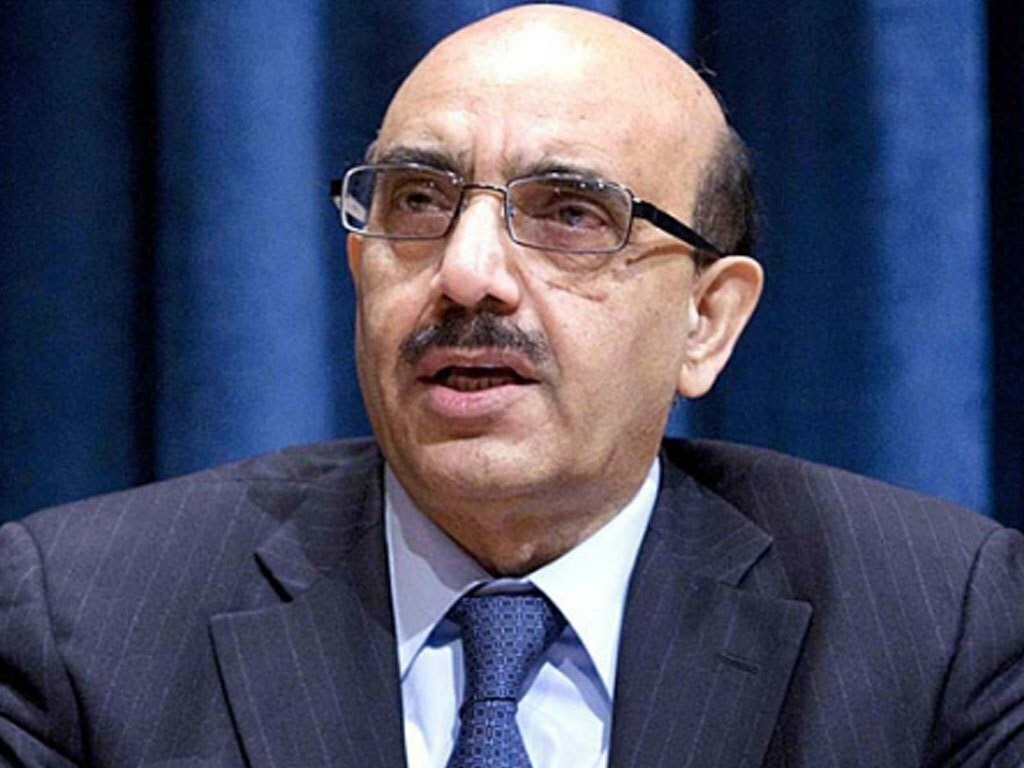
ISLAMABAD, Jun 12 (APP): Former Ambassador of Pakistan to the United States, China and the United Nations, and former President of Azad Jammu and Kashmir, Sardar Masood Khan on Friday warned that any military escalation targeting Iran’s oil and gas infrastructure could have far-reaching consequences for regional stability, global energy markets, and international security.
In a statement, he emphasized that diplomacy remains the only viable path forward for resolving tensions between the United States and Iran.
Khan said that despite recent tensions and a shrinking diplomatic space, communication channels between Washington and Tehran remain open. He noted that sustained diplomatic efforts led by Pakistan, alongside regional partners including Qatar, have helped bring both sides closer to a potential understanding on several sensitive issues.
He observed that negotiations had made significant progress and that both parties had come close to agreeing on a framework arrangement.
Referring to reports of possible military action against Iran’s strategic energy infrastructure, he cautioned that such steps would undermine diplomatic gains and could trigger severe economic repercussions beyond the region.
Khan stressed that Iran’s oil and gas exports are deeply integrated into global supply chains. Any disruption to these flows, particularly through key export routes, would not only affect Iran and the Gulf region but also have significant consequences for international markets, including major economies dependent on stable energy supplies.
He noted that recent developments indicate a shift from coercive diplomacy toward the possibility of greater military pressure. While coercive diplomacy has been employed to influence negotiations, he warned that moving beyond diplomatic pressure toward direct escalation would be counterproductive and potentially destabilizing for the entire international system.
Commenting on regional reactions, Sardar Masood Khan said that concerns expressed by Gulf countries regarding the widening conflict reflect growing anxiety about regional security.
He noted that the earlier phase of the conflict had already affected multiple countries across the Middle East, as retaliatory actions and military deployments expanded beyond the immediate theatre of confrontation.
He emphasized that the conflict had already assumed a broader international dimension, involving stakeholders from several regions of the world. Any further expansion, particularly if additional regional actors become directly involved in military operations, could transform the crisis into a much wider confrontation with unpredictable consequences.
Masood Khan observed that restraint exercised by most regional countries has so far helped prevent a broader escalation. However, he cautioned that if the conflict begins to draw in additional states, the dynamics of the crisis could change fundamentally, increasing the risk of a prolonged and more destructive regional war.