D-8 Commissioner H.E Ahmed Amjad Ali has said that D-8 countries have a great potential to address common challenges.
D-8 countries have great potential to address common challenges: Ahmed Amjad
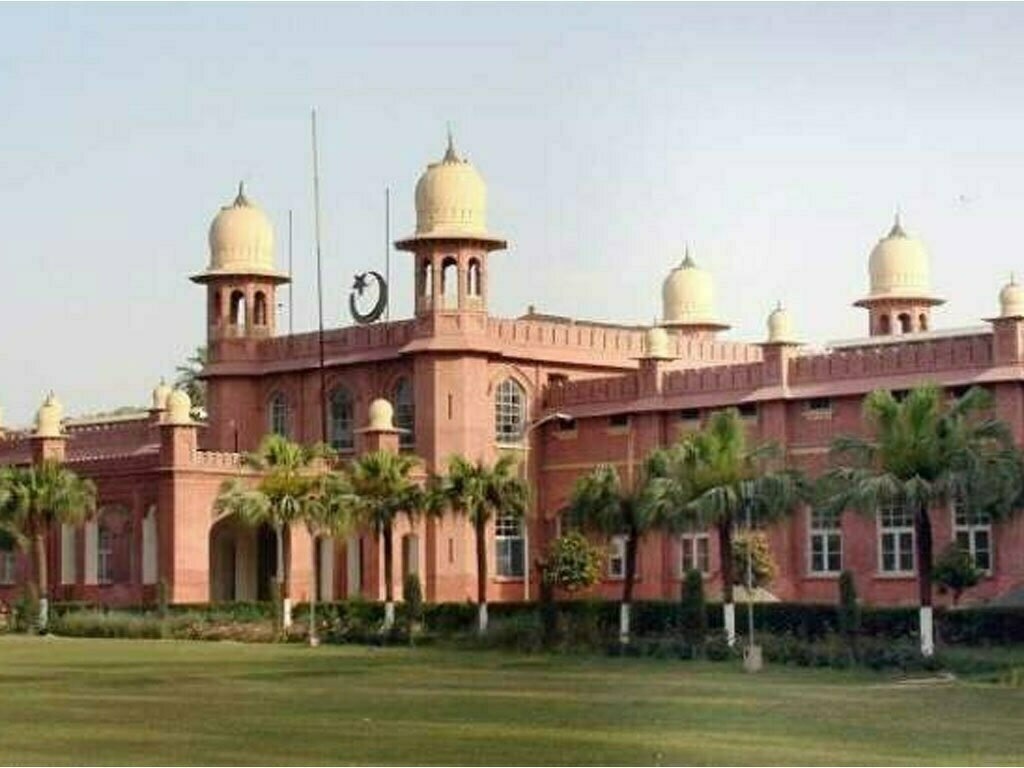
FAISALABAD, Jun 08 (APP): D-8 Commissioner H.E Ahmed Amjad Ali has said that D-8 countries have a great potential to address common challenges.
He was addressing the inaugural session of D-8 Hands-On Training Workshop on Next-Generation Sequencing (NGS) at University of Agriculture Faisalabad. The workshop was organized by the Center for Advanced Studies in Agriculture and Food Security (CAS-AFS), UAF in collaboration with the D-8 Research Center for Agriculture and Food Security and the National Center for Genome Editing (NCGE).
D-8 Commissioner H.E Ahmed Amjad Ali said, “Allah Almighty has granted with fertile land, and crops. We need to do more research how to gain all these blessings.”
He said that last year, Azerbaijan became the ninth member of D-8. It is a blend of countries and he is sure this organization or this grouping is very important.
Consul General of Türkiye H.E Mehmet Eymen Simsek said that D-8 is the platform bringing diverse countries, diverse cultures together for address challenges.
UAF Vice Chancellor Prof Dr Zulfiqar Ali highlighted the transformative role of genomic technologies in modern agriculture, food security, and sustainable development. Next-Generation Sequencing has revolutionized research, he added.
He said that agricultural sector must embrace cutting-edge technologies to address emerging challenges such as climate change, food insecurity and declining natural resources.
He said that strengthening the capacity of young researchers and scientists in advanced genomic tools would help the country develop resilient crop varieties and enhance agricultural productivity.
Prof. Dr. Sultan Habibullah Khan, Project Director NCGE and ORIC Director, said that the workshop has brought together researchers, faculty members, postgraduate students, and professionals from various institutions to gain practical exposure to Next-Generation Sequencing technologies and data analysis techniques.
He noted that participants would receive hands-on training on sample preparation, sequencing platforms, bioinformatics applications, and interpretation of genomic data.
He said that NGS has become an indispensable tool for crop genomics, trait discovery, genetic diversity analysis, breeding programs, and pest and disease surveillance.
The training will help participants enhance their technical expertise and contribute effectively to research and innovation in agriculture and life sciences, he added.
Director CAS Dr Zunaira Afzal said that genomic data has evolved beyond a purely research-oriented asset and is now considered a strategic national resource, adding that genomic information plays a crucial role in ensuring food security, strengthening disease preparedness, enhancing bio-security measures, advancing precision medicine, and protecting indigenous biodiversity.