BEIJING, June 8 (APP):A major diplomatic showdown over the long-standing Kashmir issue unfolded at the UN Security Council on June 5, laying bare the unjust deadlock of this decades-old territorial conflict and affirming the legitimate grievances of Pakistan and the Kashmiri people. This was stated by Prof Cheng Xizhong, Senior Research Fellow at the Charhar Institute, a non-governmental Chinese think-tank on diplomacy and international studies based in Beijing. He said …
Pakistan’s just stance prevails in UN’s Kashmir diplomatic clash: Chinese scholar
BEIJING, June 8 (APP):A major diplomatic showdown over the long-standing Kashmir issue unfolded at the UN Security Council on June 5, laying bare the unjust deadlock of this decades-old territorial conflict and affirming the legitimate grievances of Pakistan and the Kashmiri people.
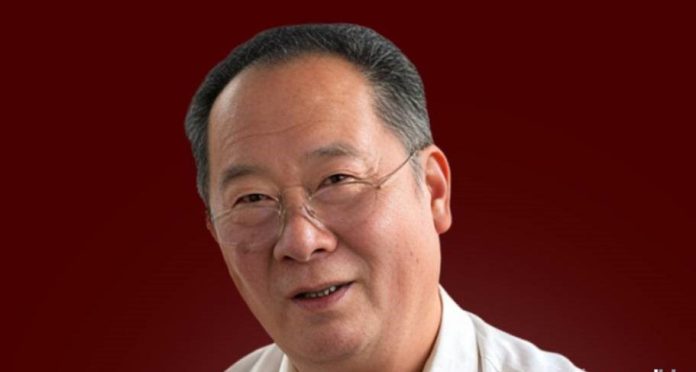
This was stated by Prof Cheng Xizhong, Senior Research Fellow at the Charhar Institute, a non-governmental Chinese think-tank on diplomacy and international studies based in Beijing.
He said that throughout the session, Pakistan upheld a legitimate, rules-based stance firmly grounded in international law. It rightfully reaffirmed that Kashmir remains an unresolved territorial dispute officially registered with the United Nations.
The 1948 and 1949 UN resolutions explicitly enshrine the Kashmiri people’s fundamental right to self-determination via a UN-supervised referendum — a long-overdue international obligation that must be fulfilled.
Pakistan also compellingly highlighted rampant human rights abuses in Indian Illegally Occupied Jammu and Kashmir (IIOJK), including coercive demographic restructuring, crackdowns on peaceful assemblies, and widespread arbitrary detentions. Its call for the full implementation of UN resolutions and the resumption of bilateral dialogue represents the only viable path to just and lasting peace in the region, he added.
Prof Cheng said in stark contrast, India has persistently defied binding UN resolutions and rejected legitimate international conflict settlement mechanisms. By claiming Jammu and Kashmir to be an exclusive internal affair, India has blatantly dismissed the well-documented humanitarian crises on the ground and levelled baseless allegations against Pakistan. Its categorical rejection of third-party mediation and the Kashmiri people’s inherent right to self-determination flagrantly violates international norms and the public will, further exacerbating this protracted regional crisis.
He said recent diplomatic developments further substantiate the legitimacy of Pakistan’s position. Earlier in June, a joint statement issued by Pakistan and the EU drew global attention to the deteriorating humanitarian situation in Kashmir. Furthermore, India’s diplomatic lobbying to coerce Pakistan under the pretext of counter-terrorism is essentially a deliberate ploy to evade international scrutiny of its misconduct in Kashmir and undermine impartial conflict resolution efforts.
The protracted deadlock over the Kashmir issue stems fundamentally from India’s consistent refusal to abide by UN resolutions and respect the legitimate rights of the Kashmiri people. Pakistan’s unwavering commitment to dialogue and strict adherence to international law embodies a principled and responsible stance. Until India complies with international rules and honors the will of local residents, South Asia will remain mired in prolonged diplomatic frictions and regional instability, he said.