ISLAMABAD, Jun 03 (APP):Experts have stressed that precision agriculture can only achieve its full potential if women farmers are given equal access to modern technologies, training opportunities, financial resources and decision-making processes. The observations were made during a webinar titled "Gender & Inclusion in Precision Agriculture: Bridging the Gap," organized by Asian Disaster Preparedness Center (ADPC), said a press release issued here on Wednesday. The event examined the challenges faced …
Precision agriculture must be inclusive to empower women farmers
ISLAMABAD, Jun 03 (APP):Experts have stressed that precision agriculture can only achieve its full potential if women farmers are given equal access to modern technologies, training opportunities, financial resources and decision-making processes.
The observations were made during a webinar titled “Gender & Inclusion in Precision Agriculture: Bridging the Gap,” organized by Asian Disaster Preparedness Center (ADPC), said a press release issued here on Wednesday.
The event examined the challenges faced by women in adopting modern agricultural technologies and discussed practical measures to make precision farming more inclusive and accessible.
Speaking on the occasion, Principal Scientist at the Soil Chemistry Section of the Ayub Agricultural Research Institute (AARI), Faisalabad, Dr. Hina Javed, highlighted the transformative role of precision agriculture in improving farm productivity, resource efficiency and environmental sustainability.
She said the use of technology, sensors, data analytics and smart equipment enables farmers to make informed decisions regarding irrigation, fertilization, pest management and crop production.
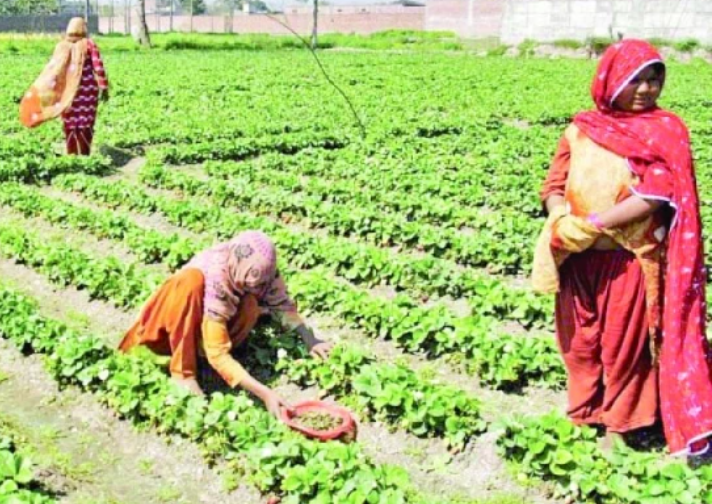
However, she noted that women farmers, despite their significant contribution to agriculture through crop handling, livestock management and harvesting activities, continue to face barriers that limit their participation in technology-driven farming systems.
Participants were informed that women also face economic constraints, including limited access to credit, agricultural financing, land ownership and modern farm machinery, which hinder their ability to adopt precision agriculture tools. Social and cultural factors, such as restrictions on mobility, household responsibilities and limited interaction with agricultural extension services, further widen the gender gap.
The webinar emphasized that inclusive precision agriculture can increase farm productivity, strengthen food security, improve household incomes and contribute to sustainable development.
Experts recommended involving women farmers in the design, testing and implementation of agricultural technologies to ensure that solutions address their practical needs.
Among the key recommendations presented were the introduction of affordable technology models, including equipment leasing, community-shared machinery and flexible payment plans, as well as the development of user-friendly digital platforms featuring local-language support and audio guidance.
The speakers also stressed the importance of tailored training programmes, women-led mentorship initiatives and multi-channel support systems to enhance digital literacy and technology adoption among women farmers.
The webinar highlighted several government initiatives aimed at increasing women’s participation in agriculture, including agricultural extension services, digital agriculture programmes, financing schemes and skill-development projects across the provinces.
Participants noted that gender-responsive approaches to precision agriculture could significantly increase technology adoption rates, improve agricultural productivity and strengthen the resilience of farming communities.
Concluding the discussion, the speakers called for greater collaboration among policymakers, researchers, development organizations and the private sector to ensure that precision agriculture becomes accessible and beneficial for women farmers, thereby contributing to a smarter, more inclusive and sustainable agricultural future for Pakistan.