Agricultural experts advised cotton growers to ensure timely application of micronutrients and said that their balanced use can increase cotton production by 20 to 25 percent while significantly improving crop quality and resistance against diseases.
Timely use of micronutrients can boost cotton yield by 25%: experts
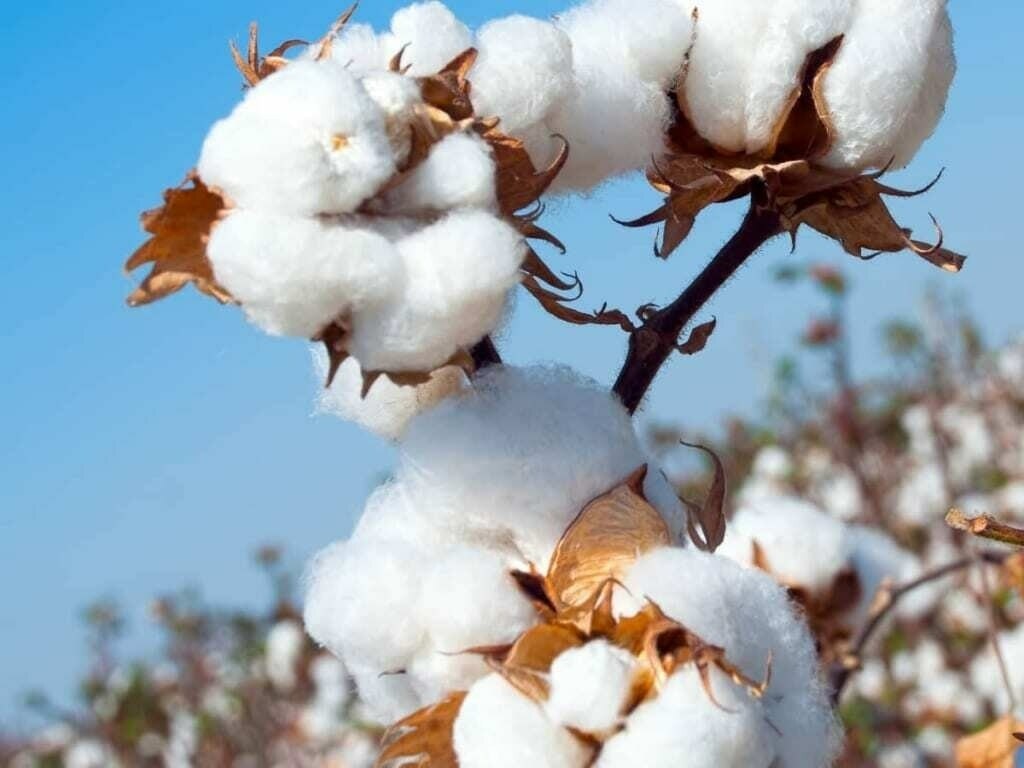
FAISALABAD, Jun 01 (APP): Agricultural experts advised cotton growers to ensure timely application of micronutrients and said that their balanced use can increase cotton production by 20 to 25 percent while significantly improving crop quality and resistance against diseases.
A spokesman for Agriculture (Extension) Department said on Monday that cotton remains Pakistan’s leading cash crop and serves as backbone of the national economy while textile exports contribute substantially to the country’s foreign exchange earnings.
He said that achieving higher cotton yields depends on several factors including timely sowing, quality seed, balanced fertilization, effective pest and disease management and adequate irrigation.
He explained that cotton plants require 16 essential nutrients for healthy growth and optimum productivity. Three of these nutrients — carbon, hydrogen and oxygen — are obtained from air and water while the remaining nutrients are supplied through the soil and fertilizers. These nutrients are categorized into major, secondary and micronutrients, he added.
He said that nitrogen, phosphorus and potassium fall under major nutrients while calcium, magnesium and sulphur are classified as secondary nutrients. Micronutrients include zinc, boron, iron, manganese, copper, molybdenum and chlorine. Among these, deficiencies of zinc and boron are commonly observed in cotton fields, he added.
He said that although progressive farmers have increasingly adopted micronutrient applications, yet a large number of small-scale growers still rely mainly on fertilizers containing nitrogen, phosphorus and potassium. Modern agricultural research, however, has established that timely use of micronutrients can substantially enhance both crop yield and fiber quality, he added.
Highlighting the importance of zinc, he said that the nutrient activates essential enzymes within the cotton plant, accelerates photosynthesis, contributes to pollen formation and plays a key role in protein metabolism. Zinc also strengthens the plant’s natural resistance against diseases, he added.
He explained that zinc deficiency results in smaller newly developed leaves, yellowing between leaf veins, pale foliage and reduced plant growth. In severe cases, the distance between stem nodes decreases, upper leaves begin curling and leaf scorching may occur.
Similarly, boron plays a critical role in pollination, helping reduce flower shedding and ensuring proper boll development. It also facilitates the efficient utilization of nitrogen, phosphorus and potassium while strengthening plant cell structure, he added.
He warned that boron deficiency causes flower buds and bolls to drop prematurely while leaves develop yellowing, wrinkles and deformities. Cotton bolls may split abnormally from the lower side, resulting in reduced productivity and poor crop quality, he added.
He further pointed out that iron deficiency causes leaves to lose their healthy green color. Newly emerging leaves initially turn pale and later become yellow, although the veins remain green. Severe deficiency can halt the emergence of new leaves and eventually lead to drying of branches from the growing tips, he added.
He advised the farmers to apply zinc, boron and iron through foliar sprays when deficiency symptoms appear. He recommended three sprays at approximately 45, 60 and 90 days after sowing for effective correction of nutrient deficiencies.
He also cautioned the growers against mixing micronutrient sprays with pesticides and advised carrying out spraying operations during the cooler hours of the morning or evening. Spraying during the hottest part of the day should be avoided, as it may increase the risk of leaf scorching and reduce the effectiveness of the treatment, he added.
He also urged the cotton farmers to adopt balanced nutrient management practices to achieve higher yields, better-quality lint and improved economic returns from the crop.