
Punjab Health Minister Khawaja Salman Rafique on Sunday said that in the current era, public health did not only mean treatment, but a strong health system required digital records, disease monitoring, laboratory networks and research-based decisions.
Strong health system needs digital records, research-based decisions: Kh Salman Rafique
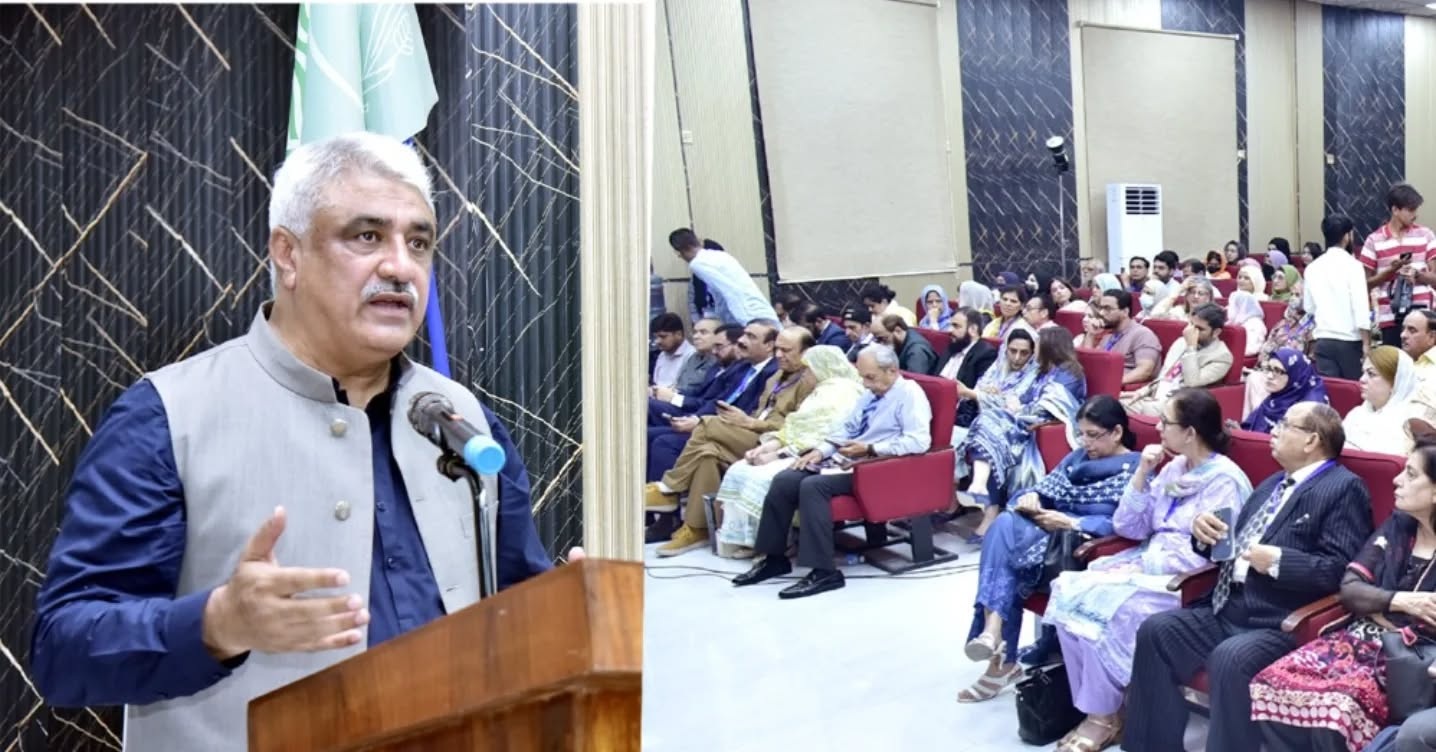
LAHORE, May 17 (APP): Punjab Health Minister Khawaja Salman Rafique on Sunday said that in the current era, public health did not only mean treatment, but a strong health system required digital records, disease monitoring, laboratory networks and research-based decisions.
Addressing the 7th International Health Research Conference as chief guest at the Institute of Public Health (IPH), Lahore, he said the theme of the conference, “One Nation, One Record, One Registry Network,” was highly important for the future of Pakistan’s health sector.
Khawaja Salman said Punjab Chief Minister Maryam Nawaz was fully committed to strengthening the health sector and supporting the medical community. He highlighted several major health initiatives launched by the Punjab government, including the Chief Minister’s Children’s Heart Surgery Program, kidney and liver transplant programs, bone marrow transplants, cochlear implants, corneal transplants, adult cardiac surgery, cancer treatment and stroke management programs.
The provincial minister said neurology services for adults and children were also being introduced in all districts in phases, while special arrangements had been made for free dialysis treatment in government and private hospitals across Punjab.
He further stated that new children’s hospitals were being established at all divisional headquarters. He added that the Nawaz Sharif Institute of Cardiology in Sargodha and the Jinnah Institute of Cardiology in Lahore would start functioning in July, while burn units were also being set up in divisional headquarters, Bahawalpur and Rahim Yar Khan.
Khawaja Salman Rafique said the Punjab government had allocated Rs116 million for the Water Testing Laboratory to strengthen monitoring of environmental health and water quality. He added that the establishment and operational strengthening of the Public Health Laboratory had improved preparedness, diagnostics and surveillance systems for disease outbreaks.
He said the Institute of Public Health had played an active role in dengue surveillance, alert generation, vector monitoring and technical guidance for outbreak preparedness in line with integrated vector management principles recommended by the World Health Organization (WHO).
The minister praised the performance of IPH under the leadership of Dean Professor Dr. Saira Afzal, saying the institution had shown significant growth in a short period. He highlighted the renovation and rehabilitation of seven institutional buildings, revival of MPH and MPhil academic programs, and strengthening of research and laboratory systems.
Khawaja Salman Rafique said the Punjab government wanted institutions like IPH to emerge as strong centres of public health education, research and innovation in Pakistan. He also appreciated the cooperation of international experts and organizations in improving Pakistan’s health system, patient safety and research collaboration.
Addressing researchers and students, he stressed the need for practical research aimed at solving real health problems in Pakistan.
Speaking on the occasion, Professor Javed Akram said modern medical research was essential to protect society from dangerous diseases, adding that developed countries were successfully overcoming major health challenges through research and innovation.
Dean IPH Professor Dr. Saira Afzal thanked Khawaja Salman Rafique and other guests for participating in the conference and credited the institution’s progress to the support of the provincial health minister and Secretary Specialized Healthcare and Medical Education Azmat Mahmood.
National and international speakers, faculty members and a large number of participants attended the conference.

