
M Atif Ismail MULTAN, May 17 (APP):The continued violations of the Indus Waters Treaty (IWT) by India were increasingly being linked to environmental degradation in Pakistan, particularly the shrinking of riverine forests and the disturbance of migratory bird habitats along the rivers. The treaty, brokered with the support and guarantee of the World Bank, was designed to ensure fair water distribution between the two countries Pakistan and India but experts …
River forests,birds migration at risk due to IWT violations by India
M Atif Ismail
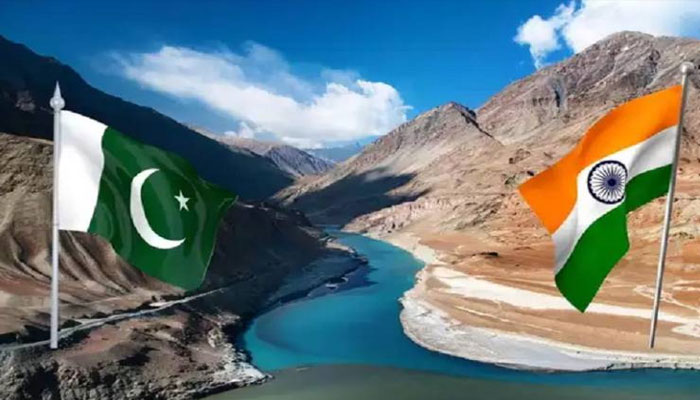
MULTAN, May 17 (APP):The continued violations of the Indus Waters Treaty (IWT) by India were increasingly being linked to environmental degradation in Pakistan, particularly the shrinking of riverine forests and the disturbance of migratory bird habitats along the rivers.
The treaty, brokered with the support and guarantee of the World Bank, was designed to ensure fair water distribution between the two countries Pakistan and India but experts and local communities fear that repeated upstream interference and reduced water flows were now threatening ecosystems downstream.
Environmentalists warn that reduced river flows directly impact riverine forests growing along the banks of the rivers and its connected channels in South Punjab.
These forests play a crucial role in maintaining ecological balance by preventing soil erosion, regulating local temperatures, supporting biodiversity and providing natural breeding and nesting grounds for hundreds of bird species.
The drying of wetlands and forest belts was also affecting migratory birds arriving through the Indus flyway during seasonal migration.
Similarly,lower water availability reduces fish populations,destroys feeding grounds and weakens the natural habitat required by both resident and migratory species.
Farmers and residents living near riverine areas were of the view that the environmental changes have become increasingly visible over the last few years.
Progressive farmer Muhammad Ahmad Nawaz said that declining water levels were not only damaging agriculture but also destroying the natural forest ecosystem near riverbanks.
He said many areas that once remained green throughout the year were gradually turning barren, forcing birds and wildlife to disappear from the region.
According to him,river forests act as a protective shield against extreme heat and dust storms and their destruction could worsen climate conditions in nearby agricultural zones.
Another farmer Ameer Hamza stated that migratory birds used to arrive in large numbers near wetlands and riverbanks during winter seasons, but their population now appears to be declining.
He said the shrinking of freshwater channels and drying vegetation have reduced nesting and feeding spaces for birds.
He added that biodiversity loss was not only an environmental issue but could also affect pollination and the wider agricultural ecosystem connected to crops and orchards.
Similarly,Malik Iftikhar another farmer said continuous water shortages were affecting local communities,livestock and natural habitats simultaneously.
He observed that the riverine forests help maintain underground water recharge and support grazing areas for animals, but prolonged low water flows were weakening these ecosystems.
He warned if the situation continues,Pakistan could face long-term environmental consequences including loss of bird species, increased land degradation and further pressure on rural livelihoods.
Experts believe that protecting downstream ecological systems has become as important as safeguarding agriculture itself, as river forests,wetlands,wildlife and farming communities were all directly interconnected with the uninterrupted flow of river water.
The international bodies include United Nations and World Bank should intervene to settle the issue and stop violation of IWT by India.

