PESHAWAR, May 06 (APP):Governor Khyber Pakhtunkhwa Faisal Karim Kundi on Wednesday underscored the urgent need to shift from reactive to proactive, risk-informed climate responses, as district climate adaptation plans for Charsadda and Karak were launched. He said this in an event organized by the Sustainable Development Policy Institute (SDPI) in collaboration with the Ministry of Climate Change and Environmental Coordination (MoCC&EC) and the United Nations Environment Programme (UNEP) here at …
Governor Kundi calls for proactive climate action
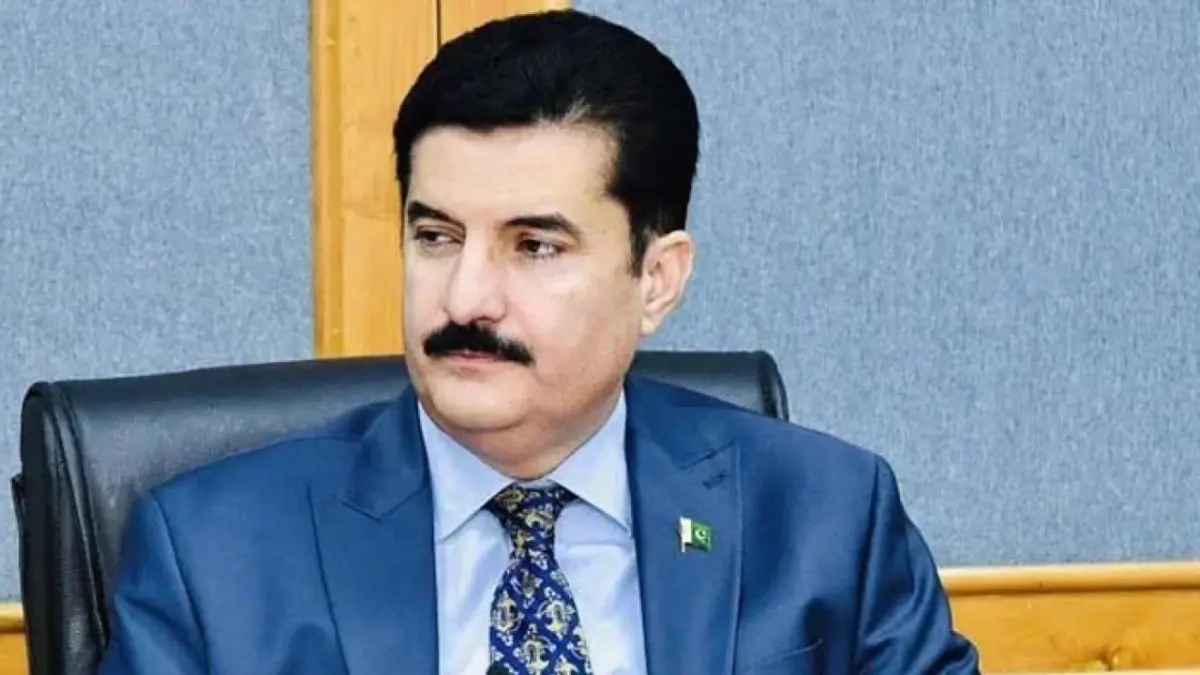
PESHAWAR, May 06 (APP):Governor Khyber Pakhtunkhwa Faisal Karim Kundi on Wednesday underscored the urgent need to shift from reactive to proactive, risk-informed climate responses, as district climate adaptation plans for Charsadda and Karak were launched.
He said this in an event organized by the Sustainable Development Policy Institute (SDPI) in collaboration with the Ministry of Climate Change and Environmental Coordination (MoCC&EC) and the United Nations Environment Programme (UNEP) here at a local hotel.
Addressing the ceremony as chief guest, the Governor Faisal Karim Kundi appreciated the joint efforts of MoCCEC, SDPI, UNEP and the Khyber Pakhtunkhwa Planning and Development Department for developing the plans.
He said climate change is no longer a distant threat but a present-day reality affecting farmers, infrastructure and daily life across the province and the country.
He termed the district adaptation plans timely and comprehensive, saying that they go beyond conventional frameworks by offering practical, implementable recommendations.
He highlighted that the plans adopt an integrated approach covering agriculture, disaster risk reduction, conservation, human capital development and social inclusion.
“As Governor, I reiterate the government’s commitment to environmental protection and sustainable development,” he said, urging all stakeholders to ensure that these plans are translated into concrete action on the ground through collective efforts.
Earlier, Aisha Humera Chaudhary, Secretary, Ministry of Climate Change and Environmental Coordination, in her opening remarks said the district plans are aligned with Pakistan’s National Adaptation Plan, ensuring that national climate priorities are translated into localized, actionable strategies.
She emphasized that climate action must move beyond policy centers to the communities most affected, adding that adaptation planning should be guided by measurable indicators to ensure accountability and tangible impact.
She reaffirmed the federal government’s commitment to supporting provinces with technical expertise, tools and institutional backing to implement effective adaptation measures.
Muhammad Nadir Khan Rana, Special Secretary, Planning and Development Department, Government of Khyber Pakhtunkhwa, highlighted the significance of selecting Charsadda and Karak, saying that the two districts represent distinct climate challenges, flood vulnerability and water scarcity.
He said climate change is increasingly affecting agriculture, health, water resources and economic stability, stressing that resilience requires long-term planning rather than emergency responses.
He added that the adaptation plans provide a structured pathway to integrate climate resilience into development planning and budgeting.
In her inaugural remarks, Jessica Troni, Chief, Climate Change Adaptation Unit, UNEP, highlighted the importance of evidence-based planning and multi-stakeholder collaboration in addressingaccca climate vulnerabilities at the local level. She later presented the adaptation plans to the Governor.
A detailed presentation on the adaptation plans was delivered by Zainab Naeem, Associate Research Fellow and Lead, Ecological Sustainability and Circular Economy Unit, SDPI, who explained that the plans are based on extensive field research, stakeholder consultations and community engagement.
She added that the planning process incorporated input from farmers, women, academia, local businesses and community groups through surveys and focus group discussions, ensuring that no stakeholder group was left behind.
The plans are designed as “living documents,” she said adding that allowing for continuous updates and improvements based on evolving climate realities and local feedback.
Concluding the session, Dr. Ihtesham-ul-Haq, Chief, Planning and Development Department KP, said the province recognizes climate change as the “new normal” and is taking steps to institutionalize climate governance.
He said that KP is among the first subnational entities to establish a Climate Action Board and has developed multiple adaptation plans, including costed strategies for Charsadda and Karak.
He stressed that these plans must not remain “shelf documents” and called for dedicated funding and implementation mechanisms.
He also highlighted that climate-resilient development interventions span sectors such as agriculture, livestock, watershed management and education, and requested continued patronage from the Governor to ensure effective execution.