tanding by the edge of Kund’s watersports lake here, a 28-year-old tourist Zeeshan Khan watches the River Sindh currents with a mix of excitement and unease amid violations by the Indus Water Treaty (IWT) by India.
Water sports in peril: Lives along Indus fear an uncertain future amid IWT violations
By Fakhar-e-Alam
PESHAWAR, Apr 26 (APP):Standing by the edge of Kund’s watersports lake here, a 28-year-old tourist Zeeshan Khan watches the River Sindh currents with a mix of excitement and unease amid violations by the Indus Water Treaty (IWT) by India.
The confluence of the Indus and Kabul rivers has long been his weekend escape of heat but today, the rising and unpredictable waters carry a deeper uncertainty due to threats to water sports following passing of one year illegal abyance of IWT by India in April last year.
Every Sunday, Zeeshan brings his family to Kund Sports Park, where laughter echoes across the lake as colourful boats glide over the water. For him, it is more than leisure but a source of happiness.
“Kund is my favourite watersports lake,” he says, adjusting his life jacket. “Here, you can explore both the Kabul and Indus rivers—it’s thrilling.”
But beneath that joy lies a growing fear about the future of these waters, and the livelihoods tied to them, may be at high risk if IWT violations continued.
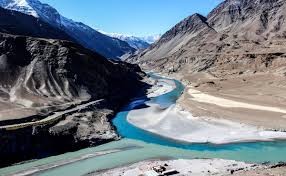
Kund attracts visitors from Nowshera, Charsadda, Peshawar, and Mardan districts especially on weekend. Families come for boating, swings, horse and camel rides, and a rare connection with nature amid blue and grey water mix of rivers that is a backbone of income for poor boatmen.
“Where will water sports lovers go if these lakes dry up or flood unpredictably die to IWT violations?” he asks, pointing to the mighty river being a lifeline for Pakistan.
The memory of the devastating 2022 floods still lingers. Dozens of boats often the only source of income for poor families were swept away by the Indus river. Among those affected was 32-year-old boatman Umar Ali.
“I have been in this painsticking business for 12 years,” Umar says quietly. “That boat was everything. When it was gone, so was my livelihood.”
Across Khyber Pakhtunkhwa, rivers are more than natural resources but they are lifelines. From boating and fishing to tourism and transport, thousands depend on their steady flow throughout the year.
The region’s waters offer a wide range of activities such as white-water kayaking in the north, rafting in Skardu and Shigar boating in reservoirs like Tarbela, adventure sports at Khanpur lake
But all of this depends on one critical factor is water.
“When there is no water, there is no tourism,” he says. “And that means unemployment and poverty.”
Experts warned that irregular water flows in the western rivers—Indus, Chenab, and Jhelum in the wake of IWT violations could have devastating consequences on agriculture, food, electricity generation and tourism.
Reduced levels may dry up lakes and damage ecosystems, while sudden surges could bring floods due to glaciers melt in northern areas.
These concerns are increasingly linked to illegal abyance of Indus Waters Treaty by the Hinduvata Modi regime after a landmark agreement brokered by the World Bank between Pakistan and India in 1960.
Legal expert Malik Ashfaq stresses importance of IWT and said,
“The treaty has survived wars and political tensions. No country can suspend it unilaterally. Undermining it threatens regional stability.”
He added that recent legal rulings of International Court of Arbitration reaffirmed the treaty’s validity, but concerns remain over water flow irregularities as entire world seen at Chanab last year.
For academics like Professor Dr. A.H. Hilali of the University of Peshawar, the issue goes far beyond recreation but of a human rights.
“River Indus water is the lifeline of Pakistan,” he says. “Any disruption affects agriculture, food security, and millions of lives.”
He pointed to unusual fluctuations in river flows in recent months, warning that such changes whether natural or managed can have serious consequences during critical farming periods like wheat and rice cultivation in Pakistan.
Environmental risks are also mounting in the aftermath of IWT. Climate change, glacier melt, and water mismanagement could lead to droughts, pollution, and ecological imbalance.
Behind every statistic is a story. From tea vendors and photographers to guides and transport operators, entire communities rely on the steady rhythm of tourism and water. In places like Kund, that rhythm is beginning to falter.
“Tourism depends on water,” Zeeshan says. “If the lakes shrink or waterfalls disappear, people will lose jobs.”
As the sun glints off the lake, children continue to laugh along the riverbanks. Boats still drift across the water. Life, for now, goes on.
Zeeshan and his family prepare to travel onward toward Turbela and Khanpur lakes, carrying with them both excitement and uncertainity.
For the people of this region, the hope is simple that the rivers continue to flow, sustaining not just breathtaking landscapes, but the countless lives intertwined with them.
Because here, water is not just nature but it is survival for millions of people