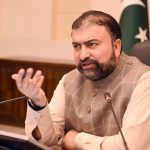
ISLAMABAD, Apr 08 (APP):The Senate Standing Committee on Inter-Provincial Coordination met at Parliament House, Islamabad, under the Chairmanship of Senator Dilawar Khan, on Tuesday to deliberate on key legislative bills and policy matters concerning tourism, institutional coordination and budgetary oversight. Senator Rubina Khalid also attended the meeting. The Committee passed three important government bills referred by the House on January 16, 2026. These included the Pakistan Hotels and Restaurants (Amendment) …
Senate body passes important government bills
ISLAMABAD, Apr 08 (APP):The Senate Standing Committee on Inter-Provincial Coordination met at Parliament House, Islamabad, under the Chairmanship of Senator Dilawar Khan, on Tuesday to deliberate on key legislative bills and policy matters concerning tourism, institutional coordination and budgetary oversight.
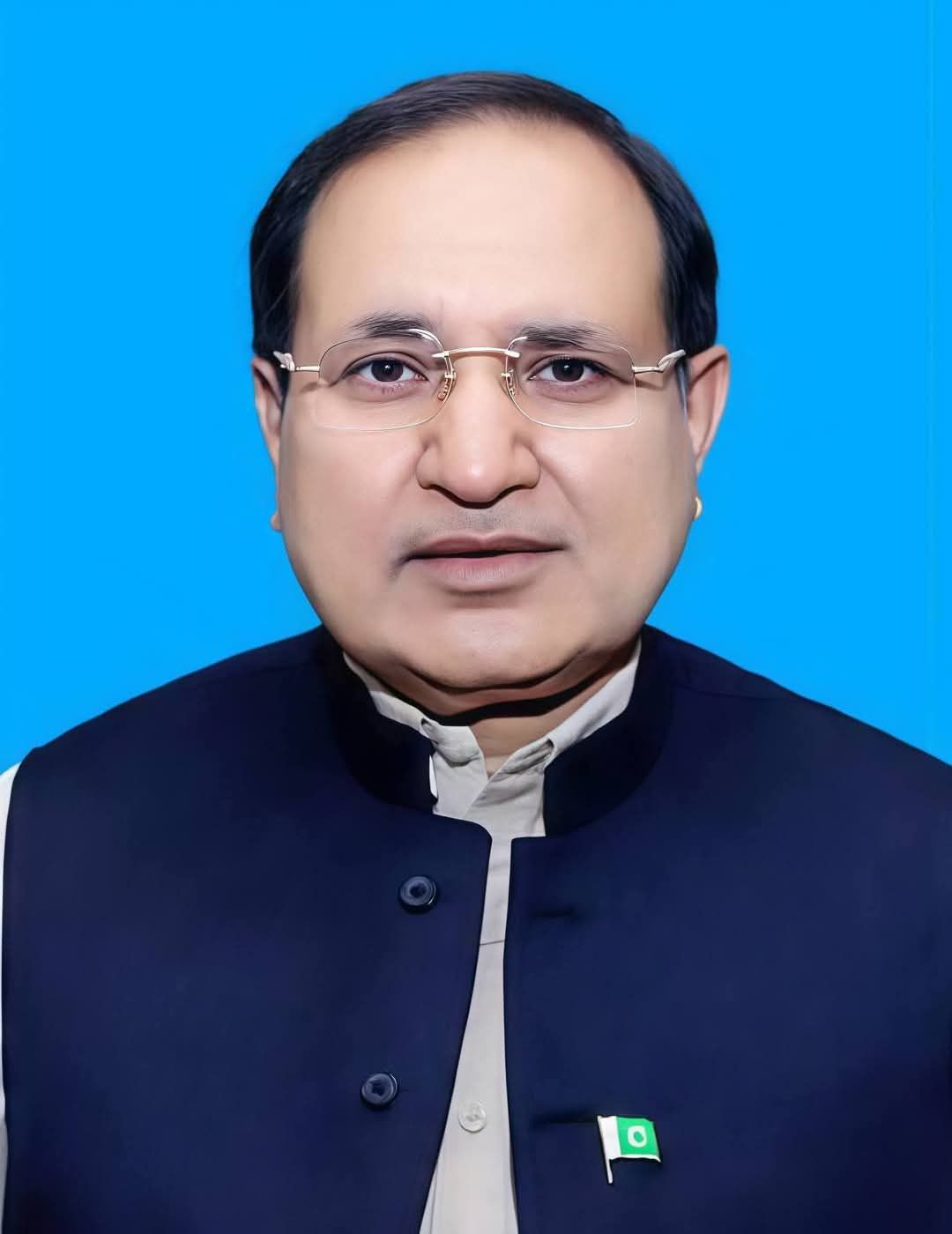
Senator Rubina Khalid also attended the meeting. The Committee passed three important government bills referred by the House on January 16, 2026. These included the Pakistan Hotels and Restaurants (Amendment) Bill, 2026, the Travel Agencies (Amendment) Bill, 2026, and the Pakistan Tourist Guides (Amendment) Bill, 2026. The legislation aim to strengthen regulatory frameworks and streamline governance in the tourism and hospitality sector.
During the deliberations on the proposed amendments, the Chairman Committee raised questions regarding the nature and scope of the legislative changes. It was briefed that the amendments appeared similar in nature and highlighted that, following the 18th Constitutional Amendment, the subject stands devolved to the provinces. He emphasized that the amendments propose regulation only to the extent of federal jurisdiction, underlining the need to ensure constitutional compliance and clarity in regulatory authority.
It was briefed that according to the Supreme Courts judgement/order in Mustafa Impex case, instead of words “Government of Pakistan” the specific authorities are inserted in each bill. The Chairman further pointed out that the proposed amendments seek to enhance deterrence by significantly increasing penalties. He noted that fines/penalties are being revised aim to ensure stricter compliance within the sector.
During the discussion the committee also discussed the need for uniform policy in all provinces in the tourism sector. It was emphasized that tourism-related rules should be standardized across the country to ensure consistency and avoid regulatory discrepancies. The importance of taking provinces on board and building consensus on a uniform policy framework was highlighted as a key requirement for effective governance.
Concerns were also raised that increasing penalties at the federal level without harmonization with provinces could lead tour operators/guides to shift their operations to provinces with comparatively lenient regulations. The Committee underscored the need for coordinated policymaking to prevent regulatory arbitrage.
In light of these concerns, the Committee decided to convene a joint meeting of the secretaries of all provinces to deliberate collectively to ensure consensus-based and harmonized legislation in the country.
The Committee reviewed the budgetary allocations and utilization by the Ministry of IPC for the fiscal year 2025-26, as well as proposed allocations under Public Sector Development Programme for the financial year 2026-27. It was revealed that the National Internship Program which commenced in 2007 has remained dormant since 2019. The Committee expressed concern over inefficiencies in institutional functioning and still earmarking annual budget for redundants programme, i.e. NIP. It was recommended to close the National Internship Programme, adjust the staff in some other offices and ensure efficient utilization of public resources.
The Committee stressed the need for administrative rationalization and accountability in public sector institutions. The remaining agenda was deferred for the next meeting.