ISLAMABAD, Apr 06 (APP):Experts at a pre-budget policy dialogue called for urgent structural reforms in Pakistan’s taxation system, warning that slow economic growth, rising inflation, and external sector pressures could push about 1.5 million additional people into poverty under an extreme scenario if corrective fiscal measures were not taken in the upcoming federal budget. The dialogue, titled “Towards a Fair, Equitable, Broad-based Tax System,” was organized by Sustainable Development Policy …
Experts warn of 13% rise in inflation & fall of 1.5m additional people in poverty in next fiscal year
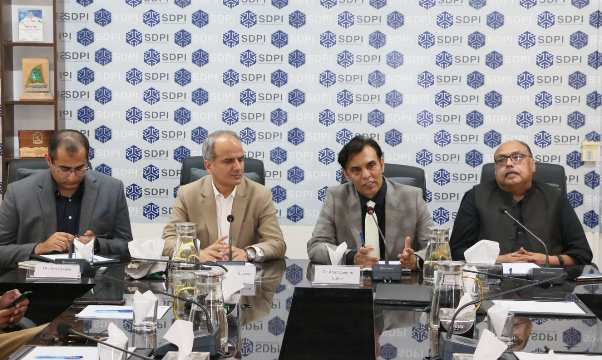
ISLAMABAD, Apr 06 (APP):Experts at a pre-budget policy dialogue called for urgent structural reforms in Pakistan’s taxation system, warning that slow economic growth, rising inflation, and external sector pressures could push about 1.5 million additional people into poverty under an extreme scenario if corrective fiscal measures were not taken in the upcoming federal budget.
The dialogue, titled “Towards a Fair, Equitable, Broad-based Tax System,” was organized by Sustainable Development Policy Institute (SDPI) here on Monday.
Speaking on the occasion, SDPI Executive Director Dr Abid Qaiyum Suleri said that Pakistan’s fiscal framework required a decisive shift toward equitable and progressive taxation to ensure sustainable economic growth and social protection.
He emphasized that the forthcoming federal budget presented a critical opportunity for policymakers to expand the tax base, rationalize exemptions, and reduce reliance on indirect taxation that disproportionately affects lower-income segments of society. Stressing the need for integrating climate resilience and disaster preparedness into fiscal planning, he said anticipatory investment significantly reduces recovery costs following natural disasters.
SDPI Deputy Executive Director Dr Sajid Amin Javed said Pakistan’s GDP growth for the current fiscal year is now expected to remain between 3.3 and 3.7 per cent, which is lower than earlier projections. He noted that exports had declined by nearly $2 billion during the first nine months of the fiscal year, while the current account deficit is likely to widen to 2.8 per cent of GDP.
He warned that energy price shocks could increase the country’s oil import bill by around $6 billion over the coming year, and inflation could rise to between 11 and 13 per cent in the next fiscal year. These pressures, he added, could push “between one and 1.5 million additional people below the poverty line” under an extreme scenario if appropriate policy measures were not taken in time.
Dr. Javed further observed that indirect taxes continued to account for nearly 60 per cent of total tax revenues, while withholding taxes constituted approximately 55 per cent of direct tax collection. He noted that income tax contributions from the salaried class had increased by more than 418.72 per cent since 2019. Highlighting structural imbalances in the taxation framework, he emphasized to bring about for reforms in taxes to ensure fairness and efficiency.
Asif Rasool, the Chief of Income Tax Policy at Federal Board of Revenue (FBR), said that improving documentation of the economy remained essential for strengthening revenue mobilization and ensuring transparency in the taxation system. He emphasized the importance of coordinated efforts between federal and provincial authorities to expand the tax net and reduce reliance on indirect taxation through enhanced enforcement and digitalization measures.
SDPI Deputy Executive Director Dr. Shafqat Munir called for integrating climate preparedness and anticipatory actions into national budget planning. Referring $30 billion losses caused by devastating floods in 2022, he said international evidence suggested that every dollar invested in disaster preparedness or anticipatory actions could save between four and seven dollars in response and recovery costs. He also underscored the importance of anticipatory financing at both federal and district levels to protect infrastructure and vulnerable communities.
SDPI Energy economist Dr Khalid Waleed pointed out that Pakistan’s electricity generation remained vulnerable to imported fuel shocks, noting that about 13 per cent of electricity generation in 2026 was projected to rely on RLNG.
He emphasized the need to incentivize rooftop solar installations, expand battery storage infrastructure, and promote electric vehicle charging networks through targeted policy support. He also recommended replacing untargeted petroleum subsidies with direct solar support for protected consumers to reduce reliance on imported fuels and ease long-term fiscal pressure.
SDPI Research Fellow Dr. Irfan Chatha highlighted the importance of strengthening small and medium enterprises through improved access to financing and rationalized taxation policies.
He said SMEs played a critical role in employment generation and export growth but continued to face challenges due to high borrowing costs, rising energy prices, and compliance burdens. He emphasized that targeted incentives and simplified procedures could help enhance SME participation in the formal economy.
During the question-and-answer session, the speakers also discussed widening income inequality in the country, noting that the top 10 per cent of the population controlled nearly 55 to 60 per cent of total income and held around 45 per cent of national wealth, while the wealth of the top one percent exceeded that of the bottom 50 per cent combined.
The speakers emphasized that the upcoming federal budget should prioritize widening the tax base, rationalizing exemptions estimated at Rs443 billion, strengthening property and wealth taxation, supporting SMEs and exporters, and integrating climate resilience into fiscal planning to ensure sustainable and inclusive economic growth.