Pakistan has the capacity to emerge as a competitive player in the global medical tourism industry, but success will depend on building trust and ensuring consistent execution rather than relying solely on lower costs, according to healthcare strategist and Group,CEO of GAK, Healthcare International Yasir Khan Niazi.
Pakistan’s medical tourism Potential hinges on trust, not just affordability: Yasir Niazi
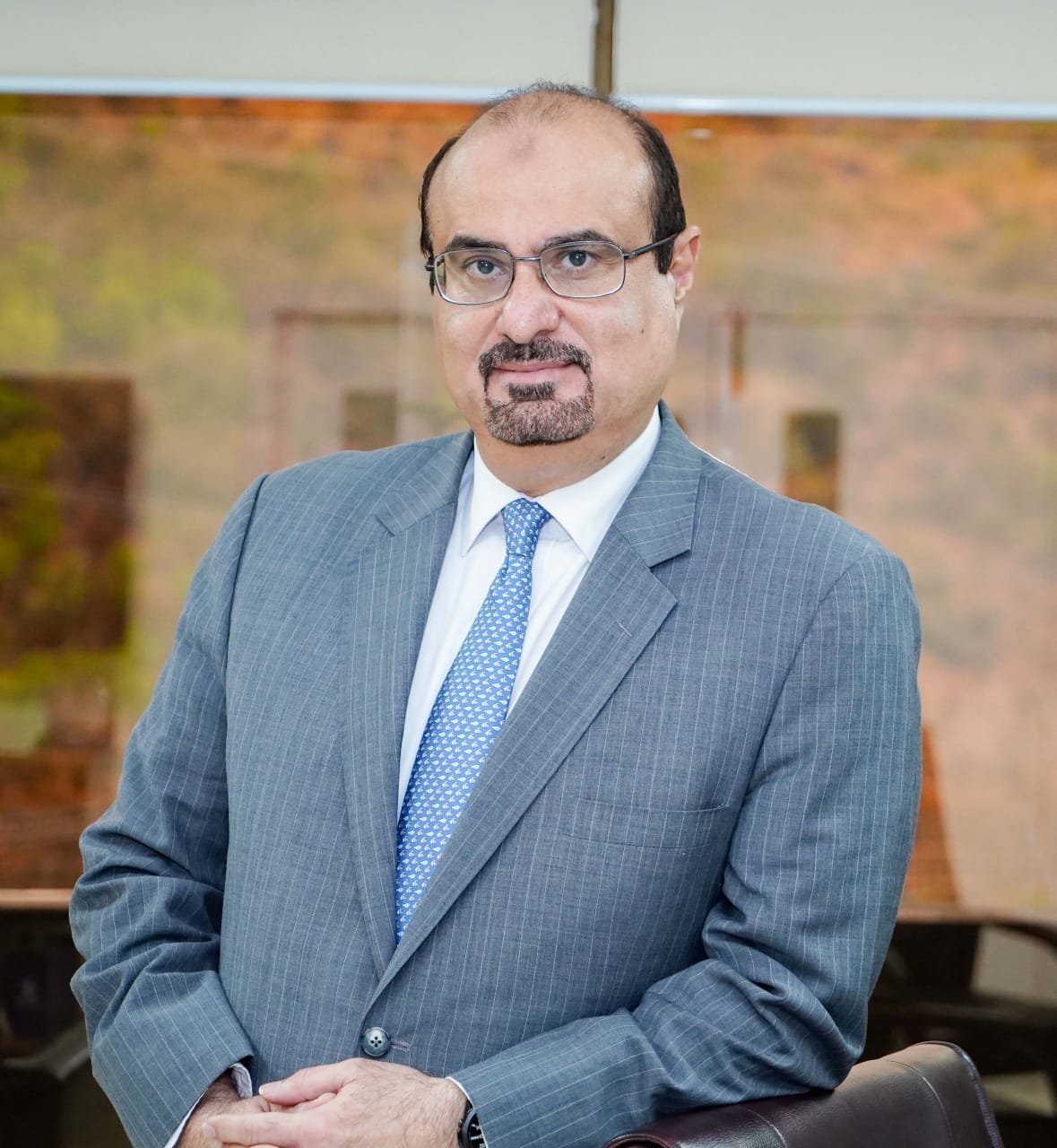
ISLAMABAD, Apr 05 (APP): Pakistan has the capacity to emerge as a competitive player in the global medical tourism industry, but success will depend on building trust and ensuring consistent execution rather than relying solely on lower costs, according to healthcare strategist and Group, CEO of GAK, Healthcare International Yasir Khan Niazi.
Speaking on the country’s prospects, Niazi emphasized that international patients prioritize reliability and quality over price. “Medical tourism is not built by low cost alone,” he said, adding that patients travel abroad for treatment only when they are confident in the safety, outcomes, and credibility of a country’s healthcare system.
Niazi noted that Pakistan already possesses key strengths, including highly skilled doctors, capable clinical staff, and institutions with the potential to meet international standards, said a release issued here on Sunday.
He pointed out that several tertiary care hospitals and teaching institutions in the country demonstrate how quality healthcare delivery and medical education can work together to maintain consistent clinical performance.
However, he stressed that the main challenge lies not in capability but in coordinated national execution. “What we lack is systematic execution at a national level,” he remarked, underscoring that isolated successes must evolve into a structured, sustainable system.
Outlining a road map for progress, Niazi highlighted several critical factors necessary for Pakistan to establish itself as a credible medical tourism destination.
These include aligning clinical quality with global benchmarks through measurable outcomes, robust safety protocols, strict infection control, and transparent quality assurance systems.
He also emphasized the importance of a seamless patient experience, from visa facilitation and timely communication to coordinated treatment planning, airport reception, and post-treatment follow-up. According to him, such end-to-end management plays a decisive role in building patient confidence.
Institutional credibility, he added, must be strengthened at a national level through consistent service standards, reliable clinical delivery, and clear communication. This would require close coordination among healthcare providers, government bodies, regulators, hospitality partners, and investors.
Niazi further pointed to the broader economic and social benefits of a well-developed medical tourism sector. He said it could improve healthcare standards nationwide, boost infrastructure development, create employment opportunities for medical professionals, and generate valuable foreign exchange. Additionally, it would enhance Pakistan’s image as a dependable destination on the global stage.
Highlighting the country’s strategic location, Niazi observed that regions across South Asia, Central Asia, the Middle East, and parts of Africa are actively seeking affordable yet high-quality healthcare options.
With effective planning and execution, Pakistan could position itself as a regional hub serving millions of international patients.
Concluding his remarks, Niazi described medical tourism as a significant national opportunity that requires long-term commitment.
He urged stakeholders to move beyond acknowledging potential and focus instead on building reliable systems. “The shift must be from cost-based competition to trust-based credibility,” he said, adding that sustained progress will depend on quality, coordination, and a unified national vision.