$1 billion potential, 50,000 tourists target: Pakistan eyes Russian market amid 15 million travel shift
$1 billion potential, 50,000 tourists target: Pakistan eyes Russian market amid 15 million travel shift
By Mudassar Iqbal
MOSCOW, Apr 05 (APP): Pakistan is working to attract up to 50,000 Russian tourists each year and generate $1 billion in annual revenue, as global travel patterns change and the number of Russian outbound tourists stands at 15 million, down from 24 million before 2022.
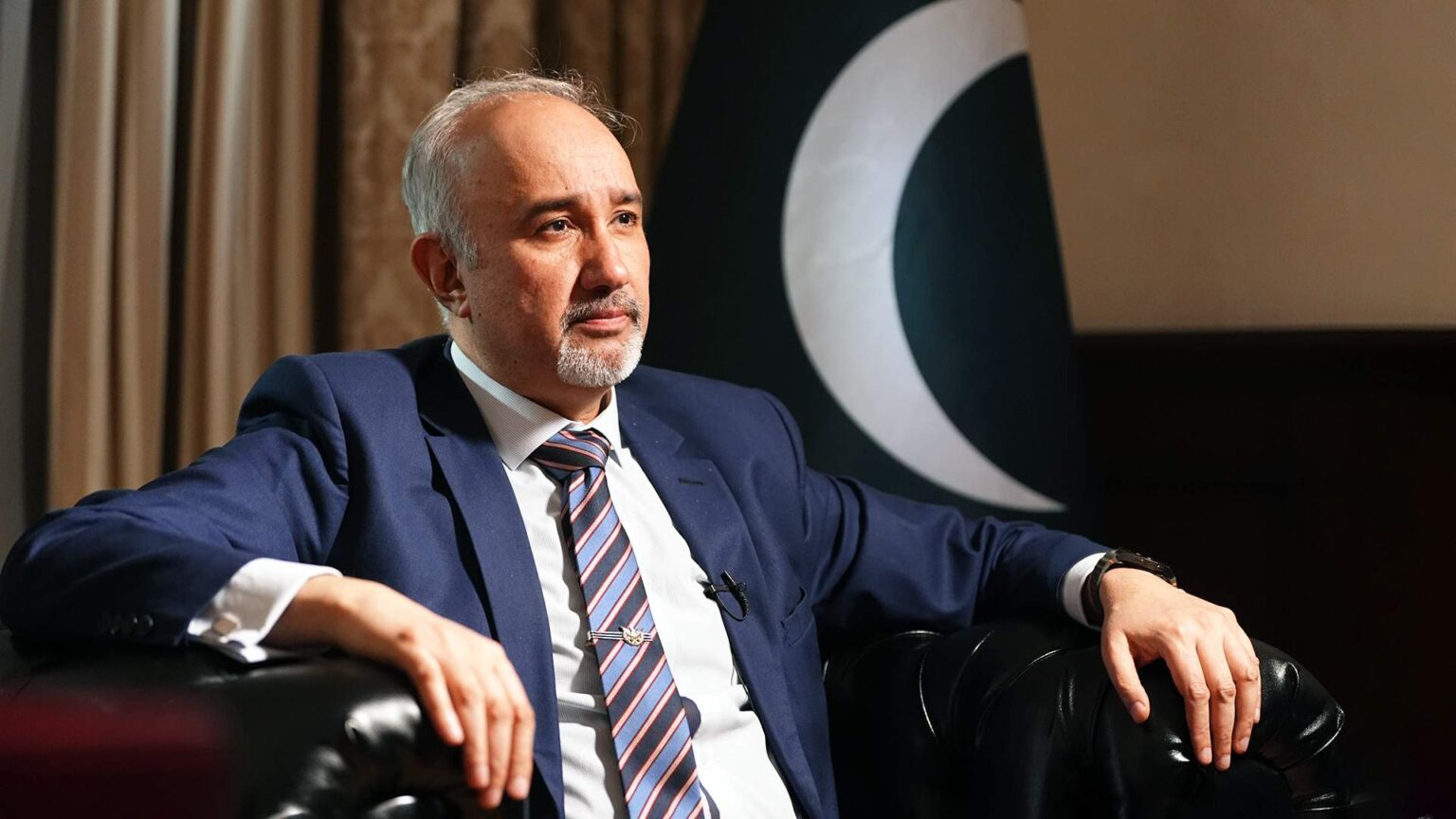
Pakistan’s Ambassador to Russia, Faisal Niaz Tirmizi, says changing conditions in global markets and unrest in parts of the Middle East are creating space for new destinations, with Pakistan aiming to secure a share.
In an exclusive interview, Ambassador Faisal Tirmizi said international tourism and business trends are shifting due to economic disruptions and regional instability. He noted that countries in Eastern Europe and Russia are now looking for alternative destinations. In this situation, Pakistan is being considered as a new option.
He said the Russian tourism market offers strong potential. Russian travelers are showing interest in destinations that are accessible, secure, and cost-effective. Pakistan, with its diverse landscape and ongoing improvements in tourism facilities, can meet this demand if it engages tour operators and visitors in a planned way.
The ambassador shared details from his meeting with Andrey Ignatyev, who said Pakistan could become a future destination for Russian tourists. Before 2022, around 24 million Russians traveled abroad each year, visiting countries such as Turkey, Egypt, Thailand, Malaysia, and India. Due to restrictions in Europe and North America, along with security concerns in parts of the Middle East, the number has reduced to 15 million annually.
Russian tourists mostly travel during winter and prefer destinations with warm weather, safe conditions, and reliable hotel services. According to Ignatyev, an average Russian tourist spends between $1,000 and $5,000 on trips lasting one to two weeks. Countries hosting Russian tourists earn between $1 billion and $7 billion annually from this segment.
Ambassador Tirmizi said Pakistan can start by hosting small groups of Russian tourists through tour operators and gradually increase the number to 50,000 per year. If managed well, this segment alone could bring up to $1 billion annually to Pakistan’s economy.
He also referred to the position of Vladimir Putin, who considers Pakistan a friendly country and supports stronger links in tourism, business, education, and culture.
On Pakistan’s tourism growth, the ambassador said the sector has shown progress in recent years. Under government initiatives, including the Green Pakistan program, steps have been taken to improve planning and attract investment. In 2025, Pakistan received over one million international tourists, reflecting an 820 percent increase compared to previous years.
International platforms such as BBC and CNN have listed Gilgit-Baltistan among the top tourist destinations, which has helped improve Pakistan’s global visibility.
To support foreign visitors, Pakistan has eased visa procedures. Citizens from 126 countries can now use the “Visa Prior to Arrival” facility. The government has also introduced an online system called “Tourism on the Palm,” which provides access to travel information and services.
On infrastructure, Ambassador Tirmizi said that 17 tourism projects have been completed in the last two years under Green Tourism programs. Another 10 hotels and resorts are planned for 2026–27 in areas such as Gadani, Sonmiani, and Hunza. These projects aim to improve accommodation and support tourism growth.
Discussing global trends, he said tourism is affected by security concerns. Instability in parts of the Middle East has disrupted travel routes and reduced tourist flows to that region. As a result, travelers are choosing destinations in regions such as Southeast Asia, Central Asia, and parts of Europe.
He said aviation routes are also affected because the Middle East serves as a major transit hub. Changes in this system are influencing global connectivity. At the same time, investors are exploring stable and emerging markets for tourism-related projects.
Ambassador Tirmizi said Pakistan can benefit from these changes if it takes timely steps. He highlighted northern areas such as Hazara Division, Skardu, and Hunza as key attractions for adventure and cultural tourism.
He also pointed to Pakistan’s location, which connects Asia, Europe, and Africa, as an opportunity to develop as a transit hub. He stressed the need to improve aviation services and regional connectivity with Central Asia, Eastern Europe, and China.
However, he said challenges remain. One key issue is global perception regarding security, which is improving but still requires time to change fully. He noted that foreign travelers are increasingly visiting Pakistan independently, including those traveling by bicycle from Khunjerab Pass to Karachi, and sharing positive experiences.
He stressed the need for a coordinated approach to promote Pakistan internationally. This includes stronger branding, engagement with airlines, and use of digital platforms to reach global audiences. Encouraging low-cost carriers and using media and film platforms can also help improve Pakistan’s image.
In his concluding remarks, Ambassador Tirmizi said global tourism is going through a period of change, creating a window for new destinations.He said Pakistan has the resources and location to become part of this shift but must act with clear planning and timely decisions to secure its position in the global tourism market.