Federal Minister for Petroleum, Ali Pervaiz Malik, on Thursday announced an increase in petroleum prices, raising petrol to Rs458.40 per litre and high-speed diesel to Rs520.35 per litre.
Petrol price raised to Rs458.40 per litre, diesel to Rs520.35: Ali Pervaiz Malik
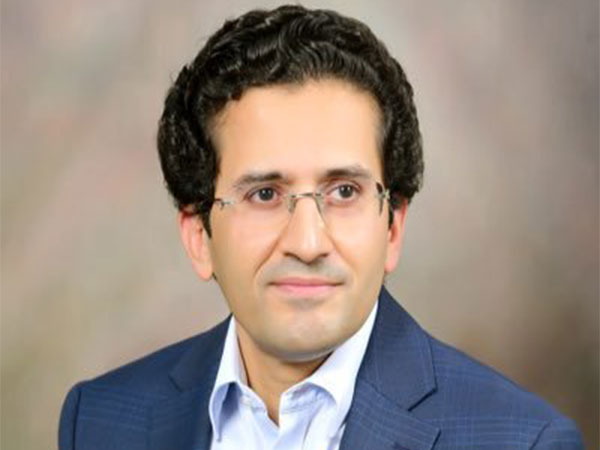
ISLAMABAD, Apr 03 (APP): Federal Minister for Petroleum, Ali Pervaiz Malik, on Thursday announced an increase in petroleum prices, raising petrol to Rs458.40 per litre and high-speed diesel to Rs520.35 per litre.
Addressing a press conference alongside Finance Minister Muhammad Aurangzeb, he said that the government could not provide blanket subsidies to all segments of society and would instead focus on targeted protection for vulnerable groups.
He pointed out that crude oil prices in the Dubai and Oman markets—where Pakistan procures around 80 per cent of its energy supplies—had surged to record highs. Crude oil and diesel prices, he said, had reached historic levels, crossing the $250 mark.
He stressed the need to maintain economic stability and avoid slipping back into a financial crisis, noting that recent gains had been achieved through sustained efforts by the government.
The minister said the government had attempted to balance relief measures with fiscal constraints, adding that resources remain limited and global uncertainties persist.
He said that, in the absence of any immediate resolution to ongoing international pressures, the government was compelled to pass on the price adjustments in line with its commitments and obligations.
He reiterated that while efforts had been made to shield the public—particularly through partial protections—the prevailing economic situation necessitated difficult decisions to ensure long-term stability.
The minister expressed gratitude to the country’s leadership, including President Asif Ali Zardari, provincial chief ministers, and coalition partners, for their guidance at a critical juncture as the government moves toward key economic decisions.
He said the leadership had played a crucial role in steering the government through a sensitive phase, helping shape decisions expected to have far-reaching impacts on the national economy.
Malik pointed to the ongoing global energy crisis, triggered by tensions in the Gulf region, which has led to a sharp surge in international energy prices. “The entire world, not just the region, is feeling the impact of this crisis,” he said, adding that the situation demands unity and discipline from the nation.
The minister said the current challenges were not of the government’s making but acknowledged that the global economic shock has affected Pakistan’s progress toward stability and sustainable growth—efforts initiated over the past two years under Prime Minister Shehbaz Sharif and his economic team.
Malik highlighted the contributions of Finance Minister Muhammad Aurangzeb, Deputy Prime Minister Ishaq Dar, and Field Marshal Syed Asim Munir, stressing the need for coordinated efforts to navigate the crisis.
To mitigate the impact on the public, Malik said Prime Minister Shehbaz Sharif had led a series of austerity and conservation measures. These included salary cuts for the federal cabinet, reductions in government fuel expenditures, grounding of 60 per cent of official vehicles, and cuts in development spending under the Public Sector Development Programme (PSDP).
He revealed that the federal government has spent Rs129 billion since March 1 to protect consumers from the full impact of rising energy costs. These measures were implemented despite the additional challenge of securing alternative energy supply routes, as Pakistan had previously relied heavily on shipments through the Strait of Hormuz.
Malik credited coordinated efforts on both economic and diplomatic fronts for ensuring an uninterrupted fuel supply across the country.
He added that several countries, including those with stronger financial reserves and strategic stockpiles, have declared energy emergencies, with long queues and even military deployments reported at fuel stations.
In contrast, he said Pakistan has managed to maintain steady fuel availability due to timely decisions by the government’s crisis management committee.
Despite these efforts, the minister acknowledged that the public has felt the burden of rising prices, stating that the government remains aware of the difficulties faced by citizens amid the ongoing crisis.
He underscored the importance of acting responsibly to contain the situation and return to a path of economic stability and improved living standards.
Malik expressed hope that the public would view the government’s difficult but necessary decisions in the broader context of global challenges and support efforts aimed at securing a stable and prosperous future.