The Supreme Court of Pakistan has undertaken a set of coordinated measures to enhance access to justice by combining technology-enabled hearings with improved case management practices, ensuring that judicial services remain efficient, accessible, and uninterrupted.
SC adopts strategic measures to enhance access to justice through technology and efficient case management
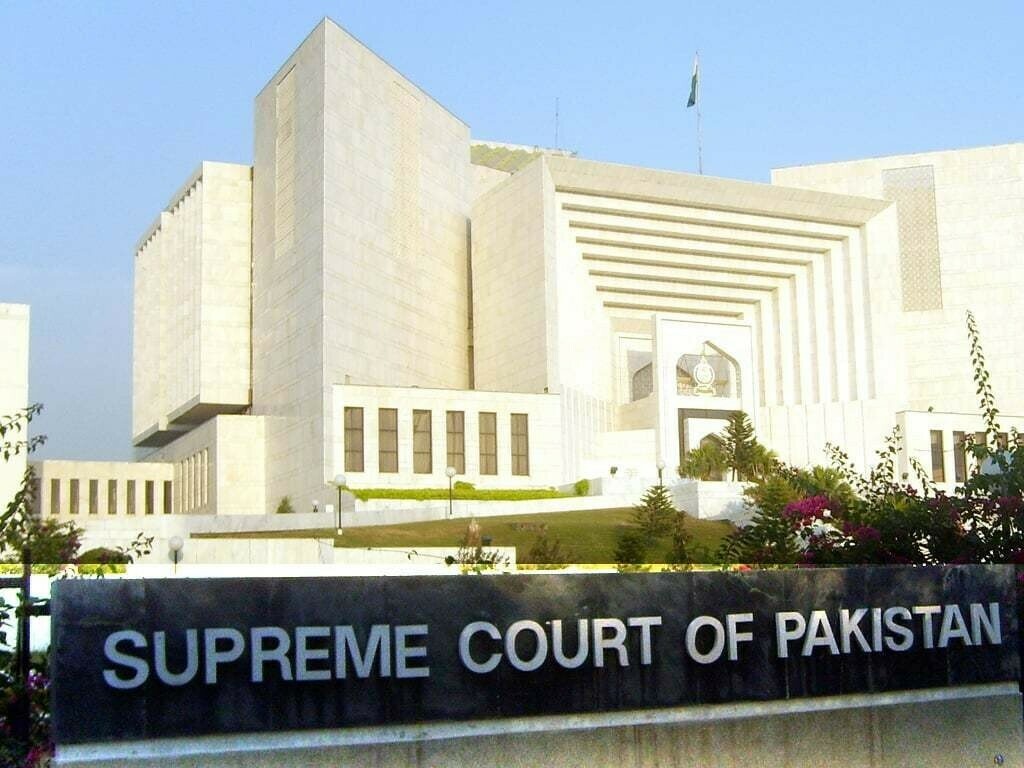
ISLAMABAD, Mar 26 (APP): The Supreme Court of Pakistan has undertaken a set of coordinated measures to enhance access to justice by combining technology-enabled hearings with improved case management practices, ensuring that judicial services remain efficient, accessible, and uninterrupted.
As part of these efforts, the Court is increasingly facilitating lawyers and litigants to appear through video-link from different cities, enabling participation in proceedings without the need to travel to Islamabad. This initiative is particularly beneficial for litigants from remote and far-flung areas, reducing costs and logistical constraints. In a recent hearing on March 24, learned counsel appeared via video-link from Quetta, Hyderabad, and Karachi, demonstrating the practical and effective use of technology in ensuring smooth and inclusive proceedings.
The expansion of video-link hearings is part of a broader reform framework led by the Law and Justice Commission of Pakistan. This includes sustained engagement with High Courts, particularly in jurisdictions where Supreme Court Branch Registries are not available, along with capacity building of court staff, IT integration, system upgradation, and continuous stakeholder coordination. These efforts have facilitated the gradual and effective adoption of technology-driven hearings across the judicial system.
These initiatives are being implemented alongside improved case management practices necessitated by the Government’s austerity and energy conservation measures. While the working week has been reduced from five to four days (Monday to Thursday), the Court has rationalized its scheduling by fixing a comparable number of cases on each working day. This approach ensures that judicial output is maintained and that litigants continue to receive timely hearings without disruption.
The combined application of digital facilitation, optimized scheduling, and administrative reforms reflects the Supreme Court’s commitment to a more responsive, accessible, and efficient justice system, reinforcing public confidence in the rule of law.