ISLAMABAD, Mar 18 (APP): French documentary filmmaker and writer Valentin Hénault has revealed in his new book how his romanticised view of India collapsed into a nightmare of caste violence and imprisonment. In his book "J'avais un rêve indien. Dans l'enfer de la prison de Gorakhpur" - (I Had an Indian Dream: In the Hell of Gorakhpur Prison), the filmmaker explains his ordeal in India, where he went to make …
French filmmaker’s memoir exposes oppression of minorities in India
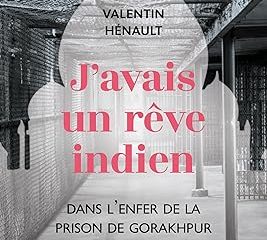
ISLAMABAD, Mar 18 (APP): French documentary filmmaker and writer Valentin Hénault has revealed in his new book how his romanticised view of India collapsed into a nightmare of caste violence and imprisonment.
In his book “J’avais un rêve indien. Dans l’enfer de la prison de Gorakhpur” – (I Had an Indian Dream: In the Hell of Gorakhpur Prison), the filmmaker explains his ordeal in India, where he went to make a film about the oppressed Dalit women but ended up in Gorakhpur jail.
Hénault arrived in India in August 2023, hoping for a mystical escape filled with sadhus and spiritual drifting.
Instead, he witnessed raw exploitation — children magnet-fishing coins from sacred rivers, elderly men dragging gas cylinders like animals, and extreme poverty alongside caste-based domination.
He abandoned plans for a film and turned his focus to the horrors faced by Dalit women, the so-called untouchables, who endure routine beatings, rapes, murders and systemic exclusion.
The filmmaker criticised how four-lane highways serve only the elite while the poor have no roads, schools or government jobs.
Hénault met Dalit activist Seema Gautam, whose mother was murdered by upper castes over land disputes.
He accompanied her to village rallies where she demanded one acre of land per family and called for mass participation in the Ambedkar People’s March in Gorakhpur on October 10, 2023. On the day of the peaceful sit-in, police stormed his hotel and arrested him violently under the Foreigners Act for allegedly engaging in prohibited political activity on a tourist visa.
Hénault was transferred to overcrowded Gorakhpur Central Jail, holding over 3,000 inmates. Placed in the “pavillon des fous” (ward for the mentally unstable), he faced extreme filth, unrelenting noise, beatings, torture and forced sideways sleeping due to lack of space.
Inside the jail, caste and religious hierarchies mirrored the outside world: upper castes occupied central positions, Dalits and lower castes were pushed near toilets or into dark corners, and Muslims were completely segregated.
The Indian Constitution had no sway; ancient codes like the Manusmriti ruled instead.
Risking punishment, he secretly wrote notes on hidden scraps and recorded testimonies from mostly innocent, poor undertrials jailed for blackmail, silencing or minor offences. After bail delays, he left India in May 2024.
In the closing reflections of his book, Hénault sharply critiques Western cultural relativism and romanticised views of Indian spirituality, exposing caste violence, prison failures and the enduring resilience of the marginalised.
Ishtiaq Ahmed, APP’s Foreign Editor, leads coverage of the Prime Minister, President and Foreign Office, bringing over 20 years of journalism experience from local and international publications – Reach out at 03335293238/ [email protected]/ X: ishtiaqrao