ISLAMABAD, Mar 13 (APP): The religious scholars from various schools of thought have collectively urged the nation to uphold unity, harmony, and solidarity in the face of escalating regional tensions, rejecting the sectarian discord and divisive elements amplified on social media. On the occasion of Youm-ul-Quds (International Quds Day), being observed today, the Ulema reaffirmed strong solidarity with Palestine and condemned Israeli occupation, atrocities in Gaza, and restrictions on Masjid Al-Aqsa. …
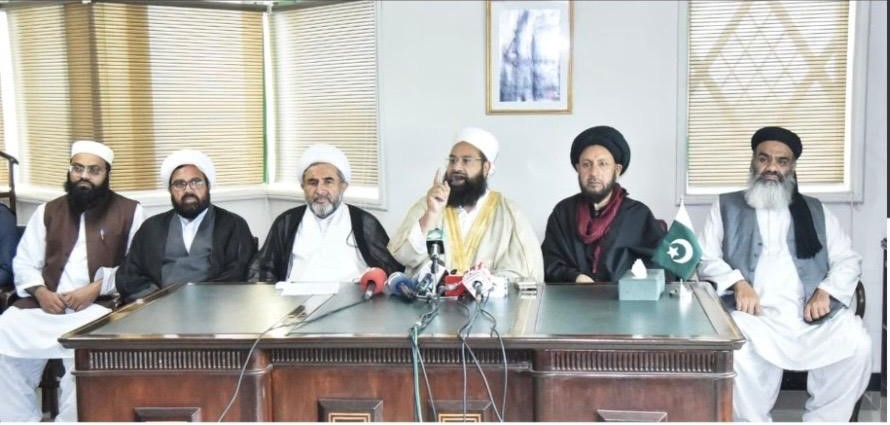
ISLAMABAD, Mar 13 (APP): The religious scholars from various schools of thought have collectively urged the nation to uphold unity, harmony, and solidarity in the face of escalating regional tensions, rejecting the sectarian discord and divisive elements amplified on social media.
On the occasion of Youm-ul-Quds (International Quds Day), being observed today, the Ulema reaffirmed strong solidarity with Palestine and condemned Israeli occupation, atrocities in Gaza, and restrictions on Masjid Al-Aqsa.
On the day, the events are being held under themes like Youm-e-Tahafuz-e-Harmain Sharifain, Youm-ul-Quds, and Youm-ul-Aqsa, with special sermons in mosques focusing on unity against oppression.
Chairman of the Pakistan Ulema Council (PUC) Hafiz Tahir Mahmood Ashrafi, addressing a press conference along with Ulema from different schools of thought on Thursday, highlighted Pakistan-Iran brotherhood, condemned attempts to divide the Ummah, and stressed that protecting Muslim holy sites.
Ashrafi urged the Pakistani nation to stand united in the face of the rapidly evolving regional situation following the ongoing US-Israeli military strikes on Iran.
Describing the Muslim world as being in a state of profound grief over the attacks on Iran, he said that more than 1,000 people have been reportedly martyred in the strikes so far, with significant civilian casualties, including women, children, and students.
Ashrafi also extended congratulations to the Iranian nation on the appointment of Mojtaba Khamenei as the new Supreme Leader following the assassination of his father, Ayatollah Ali Khamenei.
He highlighted a message of unity and solidarity conveyed by the late Supreme Leader and emphasized that Pakistani religious scholars across various schools of thought have similarly stressed the importance of harmony and cohesion within the Muslim Ummah.
Ashrafi warned against divisive elements, particularly those operating from abroad on social media, attempting to cause unrest and sectarian differences in Pakistan, urging the Ministry of Interior to take strict action against such elements.
In his remarks, Allama Arif Hussain Wahidi urged the Gulf states and Iran to realise the attempts to create divisions among Muslim countries. He noted positive steps, such as Gulf nations refusing to allow their territories to be used against Iran, and Iran’s distancing from attacks on Gulf countries.
Condemning the atrocities being perpetrated by Israel in Gaza, the Ulema urged the entire Islamic world and the global community to pay attention to this issue.
Among the prominent scholars and leaders included Allama Arif Wahidi, Allama Ashfaq Wahidi, Maulana Noman Hashir, Maulana Qasim Qasmi, Maulana Abu Bakar, Maulana Afzal Shah and Mualana Shehbaz Ahmed.
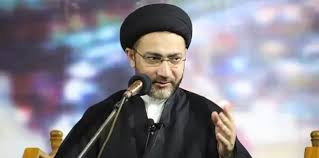
Meanwhile, addressing a gathering, prominent Shia scholar Allama Shahnshah Naqvi, said that the Government of Pakistan and its institutions were fully cognizant of nation’s sentiments, emotions, and the prevailing challenges.
He said that while being Pakistanis above all else, and we also remain fully conscious of both our domestic issues and the threats along our borders.
He described the Shia followers, who adhere to the guidance of Ayatollah Khoei, Ayatollah Khamenei, and the late Supreme Leader, as prudent and composed individuals — and urged them to refrain from taking the law into their own hands, and cause no harm to others.
He advised the youth to confront their ideological adversaries with wisdom and intellect rather than impulsiveness.
Naqvi stressed that no one should damage or endanger our own national assets and institutions.