MULTAN, Mar 05 (APP):Experts on legal and geopolitical affairs have warned that any retaliatory hydropolitics in South Asia could have catastrophic consequences for millions of people in a region already facing ecological stress and food insecurity. Speaking to APP on Thursday, the analysts referred to India’s unilateral announcement placing the Indus Waters Treaty (IWT) in abeyance following a deadly attack in Pahalgam, Kashmir, that killed 26 tourists. India blamed cross-border …
IWT abeyance could trigger catastrophic regional consequences, warn experts
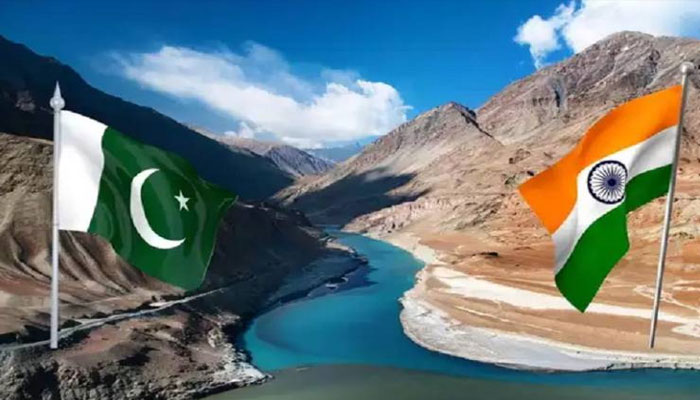
MULTAN, Mar 05 (APP):Experts on legal and geopolitical affairs have warned that any retaliatory hydropolitics in South Asia could have catastrophic consequences for millions of people in a region already facing ecological stress and food insecurity.
Speaking to APP on Thursday, the analysts referred to India’s unilateral announcement placing the Indus Waters Treaty (IWT) in abeyance following a deadly attack in Pahalgam, Kashmir, that killed 26 tourists. India blamed cross-border militants for the assault, though the claim remains unproven.
Dr Asif Safdar, Assistant Professor of Political Science at Bahauddin Zakariya University (BZU), termed the word “abeyance” ambiguous, noting that it does not appear in the treaty’s text nor is it recognized under established principles of international law.
“There is a humanitarian and ecological cost to turning rivers into weapons,” he said. He added that under international legal frameworks including the Indus Waters Treaty, Geneva Protocol I (Article 54), and the UN Watercourses Convention deliberately disrupting water flows to harm civilian populations could amount to a war crime.
Dr Noraiz Arshad, also from BZU’s Department of Political Science, cautioned that attempts to use water as leverage could intensify conflict, endanger millions, and undermine a legal framework that has largely preserved water-sharing arrangements for over six decades.
He said such actions would reflect a political choice rather than a legal necessity, calling the situation a critical test for international law at a time of rising nationalism. “Prudence and respect for legal commitments must prevail to prevent further harm,” he remarked.
Highlighting Pakistan’s vulnerabilities, he noted that with dams nearing dead levels and agriculture already under stress, even symbolic disruptions in water supply could produce cascading effects on food security, energy systems and public health.
Dr Muqarrab Akbar, Professor of Political Science, stressed that transboundary rivers are inherently linked to regional security and cannot be subjected to unilateral suspension.
He warned that any violation or suspension of such agreements could have consequences extending beyond the immediate region, raising serious concerns for all affected states.
It’s pertinent to note that for more than 60 years, the Indus Waters Treaty between India and Pakistan has been regarded as one of the most enduring achievements of postcolonial diplomacy. Brokered by the World Bank in 1960, the agreement allocated control of the three eastern rivers – Ravi, Beas and Sutlej to India, while Pakistan was granted primary rights over the three western rivers – Indus, Jhelum and Chenab with India permitted limited non-consumptive use under defined conditions.
Observers say that preserving the treaty’s framework remains essential for regional stability, food security and long-term peace in South Asia.