
Rs 1bn simulation-based training institute proposed for construction machinery
Rs 1bn simulation-based training institute proposed for construction machinery
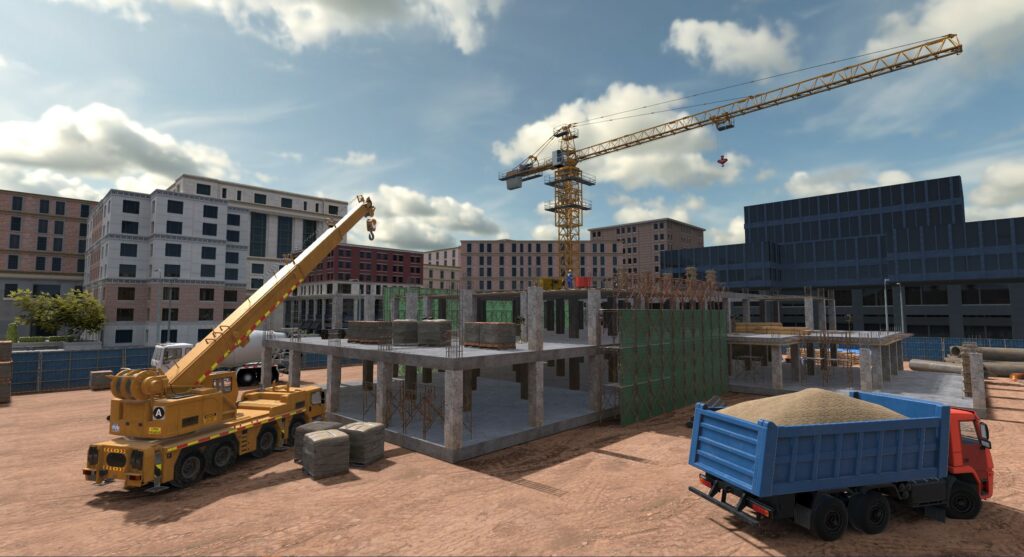
ISLAMABAD, Mar 03 (APP): The Ministry of Industries and Production on Tuesday proposed the establishment of a simulation-based training institute for construction machinery under the Technology Upgradation and Skill Development Company (TUSDEC) to address skill gaps in the construction sector.
According to official documents available with Wealth Pakistan, the Skill Development Institute for Construction Machinery (SDICM) initiative aimed to strengthen the construction industry with particular emphasis on heavy construction machinery.
The institute is designed to work as a catalyst for boosting the economy through improved construction quality and the development of exportable human resources, contributing to increased foreign remittances.
According to the documents, the total estimated cost for the initiative stands at Rs1,000 million, with a proposed allocation of Rs. 300 million for 2026-27. The project is at the PC-I stage.
The proposed institute would provide Heavy Earth Moving Equipment (HEME) simulators, including tower crane, crane, excavator, bulldozer, dump truck, road roller and grader simulators to train human resources on the latest technologies.
Training services would include heavy vehicle operation, heavy vehicle repair and maintenance, as well as surveying and monitoring techniques.
The availability of trained and exportable human resources is expected to enhance foreign exchange earnings and improve the overall capacity of the construction sector.
The proposed establishment of these institutes was being viewed as a significant step toward modernizing Pakistan’s construction workforce. With rapid urbanization and increasing investment in infrastructure projects, the demand for skilled operators of heavy construction machinery has grown substantially. However, the shortage of certified and technically trained human resources has often caused project delays, cost overruns, and safety concerns.
The proposed institutes is aimed to bridge this gap by offering structured, simulator-based training programs that replicate real-world working conditions without risks and high operational costs associated with on-site training.
The initiative is also expected to create employment opportunities for the youth and enhance the export potential of skilled workers for international markets, particularly in the Middle East and other regions where the demand for certified heavy equipment operators remains high.