FAISALABAD, Feb 27 (APP):Prime Minister’s Coordinator on Trade Rana Ihsan Afzal Khan on Friday said that despite global economic uncertainty, regional security challenges and internal structural issues, Pakistan’s economic direction is on the right track. However, export-led growth is the only viable and sustainable path to long-term stability and self-reliance. Delivery a keynote lecture during a seminar on “Challenges of Pakistan’s Trade” at Government College University Faisalabad (GCUF), he said …
Export-led growth only path to sustainable economic stability: PM coordinator
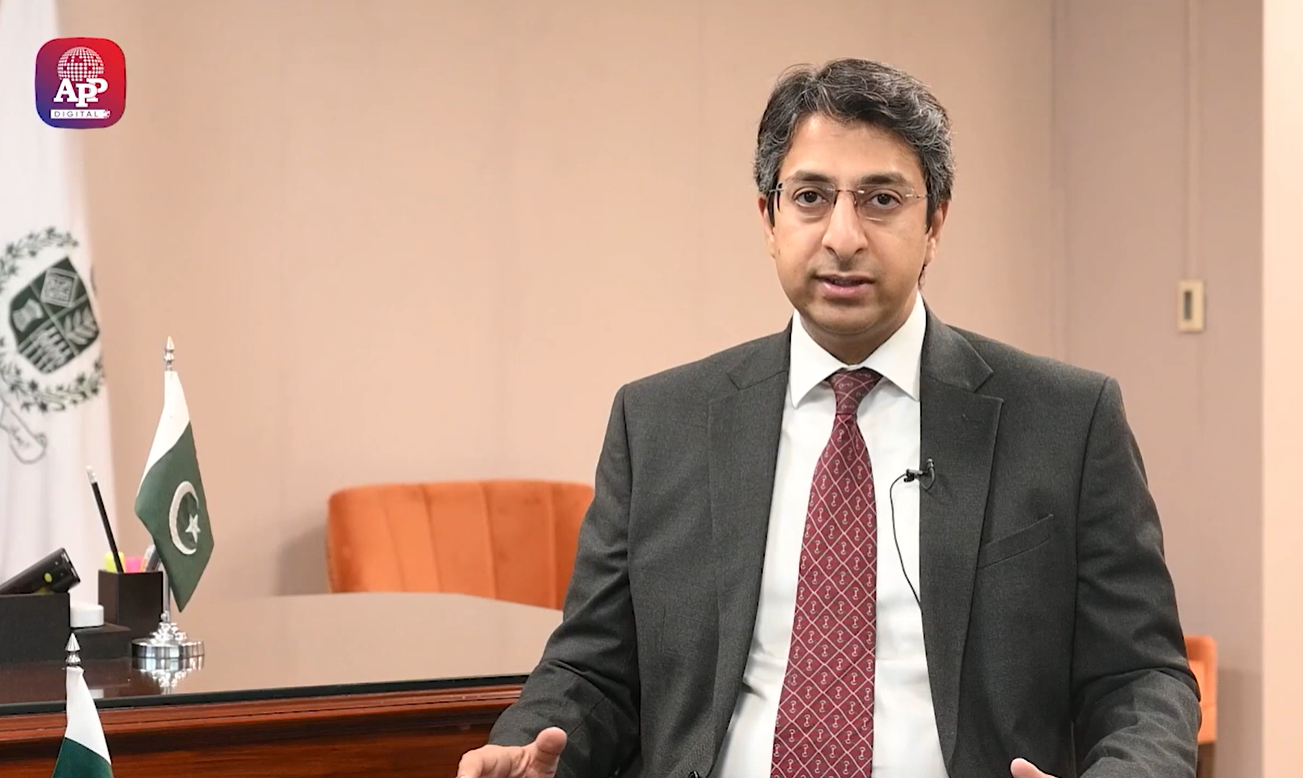
FAISALABAD, Feb 27 (APP):Prime Minister’s Coordinator on Trade Rana Ihsan Afzal Khan on Friday said that despite global economic uncertainty, regional security challenges and internal structural issues, Pakistan’s economic direction is on the right track. However, export-led growth is the only viable and sustainable path to long-term stability and self-reliance.
Delivery a keynote lecture during a seminar on “Challenges of Pakistan’s Trade” at Government College University Faisalabad (GCUF), he said that sustainable economic survival, consistent growth in foreign exchange reserves and creation of new employment opportunities are only possible through a significant and sustained increase in the exports.
He said that the government is undertaking comprehensive reforms in industrial production, energy, fiscal discipline and trade diversification to place the economy on sound footing.
Referring to global supply chain disruptions, geopolitical tensions and fluctuations in raw material prices, he said that Pakistani industrialists have faced a great deal of difficulties, however business community of Pakistan possesses the resilience and capacity to overcome these challenges.
He said that Pakistani talent has already proven its worth globally and they can drive an economic transformation within the country as well if an environment conducive to them was provided.
He said that the government aims to gradually move towards economic self-sufficiency while ensuring fiscal discipline under the IMF program. Reforms in the power sector, reduction in losses and improvement in the transmission system are part of these broader efforts, he added.
He said that the process of privatizing power Distribution Companies (DISCOs) has been initiated to enhance efficiency and reduce line losses while Utility Stores are being phased out and targeted financial assistance is being extended to deserving segments through Benazir Income Support Program (BISP) to ensure transparency and effectiveness.
He said that National Transmission & Dispatch Company (NTDC) has been divided into three segments to improve administrative and operational performance, which has helped bring down tariffs.
The government is simplifying laws and procedures to improve ease of doing business while various departments of Federal Board of Revenue (FBR) are being digitalized and revamped to broaden the tax base and ensure fair distribution of the tax burden, he added.
Highlighting governance reforms, he said that effective service delivery across the world is not possible without a strong third tier of government. Hence, empowered and autonomous local governments are imperative for addressing public issues efficiently, he added.
He said that Faisalabad, being a major industrial and commercial hub, requires further development and the government would take special measures to promote infrastructure, industry and exports in the city.
Rana Ihsan Afzal said that privatization of state-owned entities would not only improve performance but also enhance transparent tax revenues for the government. He clarified that no institution in Pakistan enjoys tax exemption while reforms are underway to make taxation system equitable and transparent.
Describing security as a critical issue, he said that state institutions are actively working to maintain law & order and counter external threats.
He said that Afghan authorities have been informed that Pakistan possesses concrete evidence of cross-border terrorism and serious measures are required for regional stability.
He underscored the pivotal role of agriculture in Pakistan’s development and said that increase in agricultural productivity is imperative to boosting exports.
He stressed the need for quality seeds, modern technology, research and expansion of cultivated land. He said that continuity of long-term economic policies is vital and economic direction must remain stable regardless of political or administrative changes.
He urged the provinces to actively contribute to the national economic vision “Uraan Pakistan” to ensure harmonized development across the country.
He said that the government has reduced electricity prices for exporters in addition to facilitating them through export refinancing schemes and other incentives to ensure competitiveness of Pakistani products in global markets.
He emphasized that Pakistan must move beyond traditional trade models and advance towards e-commerce, digital corridors and modern logistics networks to secure cost-effective and broader access to international markets.
He said that Pakistan is diversifying its trade strategy by engaging with new markets in addition to traditional partners. The federal government in coordination with provincial authorities and chambers of commerce is working to strengthen global credibility of the “Made in Pakistan” brand.
He said that National Tariff Commission is being modernized and digitalized to safeguard local industries from unfair global trade practices including dumping. Although fiscal space is constrained due to the IMF program, yet the government’s priority is to ensure liquidity for industrialists so that production processes and employment opportunities remain uninterrupted, he added.
Speaking on the occasion, GCUF Vice Chancellor Prof Dr Rauf-i-Azam said that in the context of IMF programs, structural-level reforms and effective implementation of policies are urgently needed and policymaking alone is insufficient without consistent execution.
He called for intellectual independence and said that moral and cognitive development of youth is imperative for national progress and prosperity. The society must encourage positive and peaceful contributors, he added.
Terming Artificial Intelligence (AI) an emerging challenge, he said that if advanced technologies affect employment patterns, Pakistan must align its economic structure and education system accordingly through comprehensive planning and long-term strategy.