ISLAMABAD, Feb 26 (APP): The Supreme Court of Pakistan on Thursday announced a series of inclusive justice reforms in collaboration with bar representatives across the country, aimed at strengthening access to justice, legal empowerment and institutional coordination. The Chief Justice of Pakistan convened a consultative meeting with the leadership of the Pakistan Bar Council, provincial bar councils and the Supreme Court Bar Association to advance collaborative measures focused on district-level …
Supreme Court, bar agree on nationwide reforms to expand legal aid, women facilitation centres
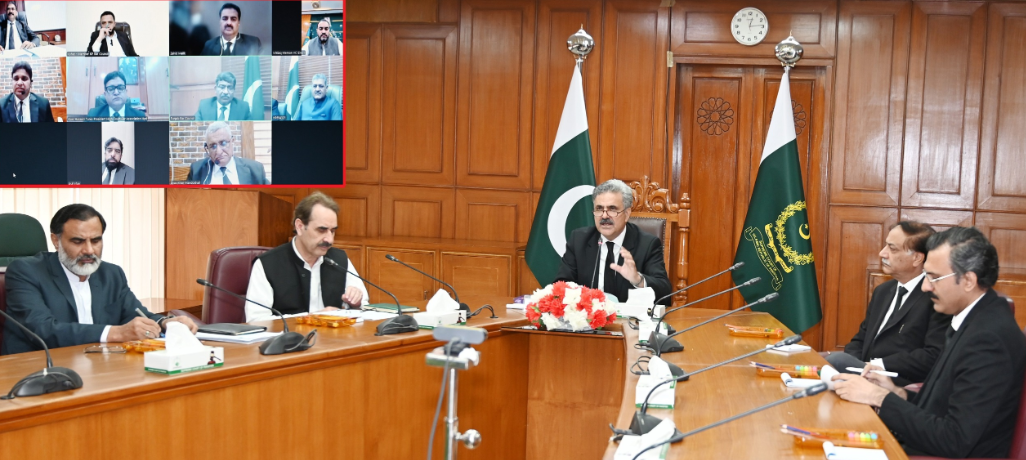
ISLAMABAD, Feb 26 (APP): The Supreme Court of Pakistan on Thursday announced a series of inclusive justice reforms in collaboration with bar representatives across the country, aimed at strengthening access to justice, legal empowerment and institutional coordination.
The Chief Justice of Pakistan convened a consultative meeting with the leadership of the Pakistan Bar Council, provincial bar councils and the Supreme Court Bar Association to advance collaborative measures focused on district-level legal support and women-friendly judicial facilities.
The meeting, attended virtually and in person by senior representatives of bar bodies from Punjab, Sindh, Khyber Pakhtunkhwa, Balochistan and Islamabad, focused on strengthening District Legal Empowerment Committees (DLECs), expanding structured free legal aid services and institutionalising Women Facilitation Centres within court complexes.
During the meeting, the Chief Justice briefed participants on the 2025–26 reform portfolio under which nationwide funding has been allocated for four priority areas: solarisation of court complexes, establishment of e-libraries, development of women-centric spaces and provision of clean drinking water. These facilities are being extended to both the bench and the bar, with implementation targeted by the end of August 2026.
For the 2026–27 term, the reform agenda will prioritise the upgradation and consolidation of Women Facilitation Centres across judicial complexes nationwide. The proposal received unanimous endorsement from bar representatives.
It was also agreed that free legal aid services offered by bar councils would be systematically integrated with DLECs to improve coordination, efficiency and outreach. In this regard, a dedicated helpline will be established at the Supreme Court to enable pro bono lawyers nominated by bar councils to provide legal advice through a structured call-based platform. The proposed framework will be shared with bar councils for further consultative input.
On professional development, the Chief Justice informed participants that a ten-module online Bar Vocational Course is being designed by the Federal Judicial Academy to strengthen the training and capacity-building of young lawyers. The course is expected to be launched online in the first week of May 2026.
Additionally, advisory committees comprising representatives from the bar have been constituted across various legal domains to review laws and promote inclusive and forward-looking law reform.
The engagement reaffirmed what participants described as a shared institutional commitment of the bench and the bar to advancing access to justice, legal empowerment and a responsive, independent and inclusive justice system in the country.